Bali plans to require three months of bank statements from foreign visitors
Bali plans to require foreign visitors to show three months of bank statements before entry, Governor Wayan Koster said, as the island pursues "quality tourism" after record arrivals, Nine.com.au reported in January.
 Peter LindqvistSport, cars and travel
What the proposal would require
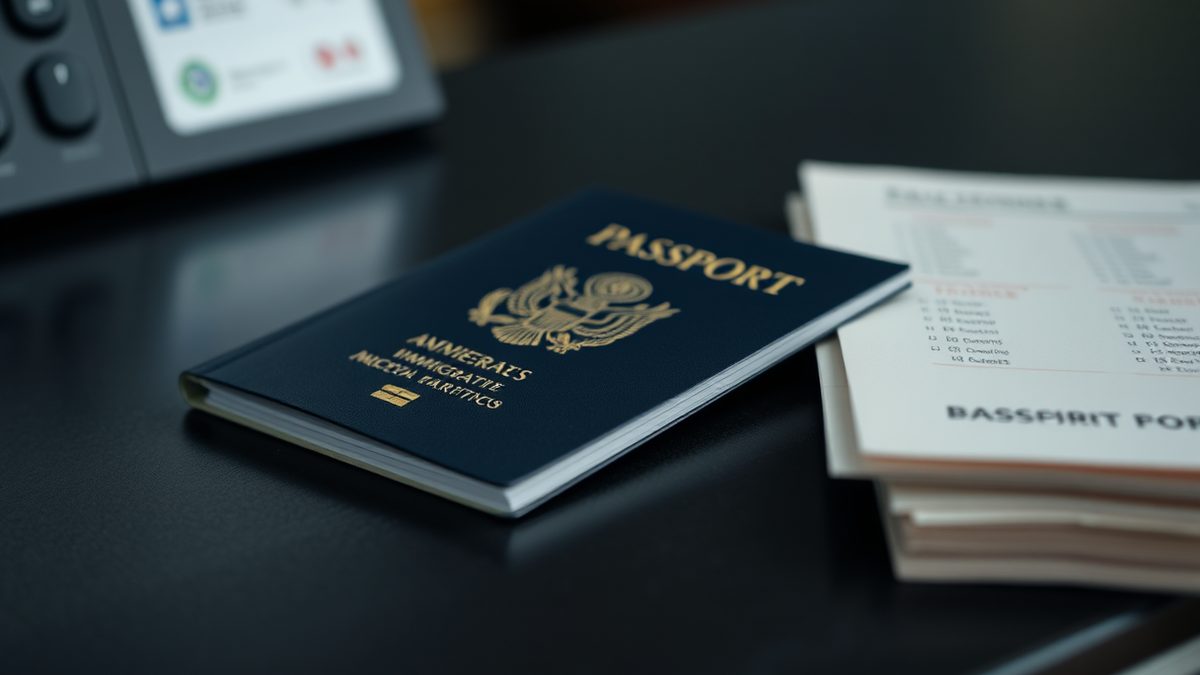
Under the plan, foreign visitors would submit bank statements from the past three months, along with their length of stay, proof of accommodation and details of planned activities, Nine.com.au reported.
Koster said the checks would confirm that visitors have the "financial capacity" to support their stay without relying on local resources. "It is important to determine which foreign tourists are allowed to enter and which are not, so that visitors do not cause problems and instead contribute positively, particularly to the tourism sector," he said, according to Nine.com.au.
"Going forward, we will focus on quality tourism, not merely on numbers, through regional regulations and improved tourism governance," Koster said.
Record arrivals and overtourism
Bali recorded more than seven million international arrivals in 2025, the highest in its tourism history, Nine.com.au reported. CNA reported that arrivals reached close to 5.3 million in 2023, above a 4.5 million target, and that the benchmark for the following year was raised to seven million. It said arrivals were 6.3 million in 2019 and 51 in 2021.
The programme reported that Bali deported 340 foreigners in 2023, up from 188 in 2022, mainly from Russia, the United States, the United Kingdom and Nigeria. Offences included overstaying, working illegally and exposing themselves at sacred sites.
The levy and visa rules already in place
Bali's tourist levy is IDR 150,000. It is set under Bali Provincial Regulation No. 6 of 2023 and paid through the Love Bali portal, which issues a QR code voucher to show on arrival, according to an AsiaOne guide to the levy. Collection began on 14 February 2024, the Straits Times reported, and the levy applied to mainland Bali and the Nusa islands of Penida, Lembongan and Ceningan.
The levy is separate from the visa, and paying one does not cover the other, AsiaOne said. Travellers who need a visa pay 500,000 rupiah for 30 days on top of the levy, the Straits Times reported in 2024.
Reports differ on how often the levy is charged. The Straits Times said at the launch that it was collected per entry, so island-hoppers going to Lombok or the Gili Islands, which lie outside Bali province, would pay another IDR 150,000 when they returned to Bali. A 2026 AsiaOne guide says the levy is charged once per trip, not per entry, and that one payment covers a stay until the traveller leaves Indonesia.
What travellers still need
Nine.com.au reported that the bank statement rule is still rolling out. Current entry rules include the All Indonesia Declaration, completed within three days of arrival, and the IDR 150,000 levy. Passports must have at least six months of validity, and airlines will deny boarding without it.
What happens next
The proposal is "nearly complete" and heading to regional lawmakers, Nine.com.au reported. The report said it could take effect later in January.
Sources
10- 01Big change coming for travellers to Bali, as island prioritises 'quality tourism'EN
- 02Bali to collect tourism tax from February 14EN
- 03How to pay Bali's tourist levy onlineEN
- 04Not quite the Bali it used to be? This is what overtourism is doing to the islandEN
- 05Musk says government work will be under 10% of SpaceX revenueEN
- 06Neocloud IREN says $4 billion in annualized revenue being delayed due to customer requestEN
- 07Zilch sees revenues uplift but losses increaseEN
- 08Harmonic revenues break beyond Comcast and SpectrumEN
- 09Cloud Revenue Hits $168B as AI Capacity ExpandsEN
- 10Unitree reports 70% surge in quarterly revenue, though AI investment weighs on net profitEN
All figures and quotations in this text come from the sources listed below.
Content prepared by the editorial team with AI assistance.
Peter Lindqvist
Comments
0- No comments yet — be the first.