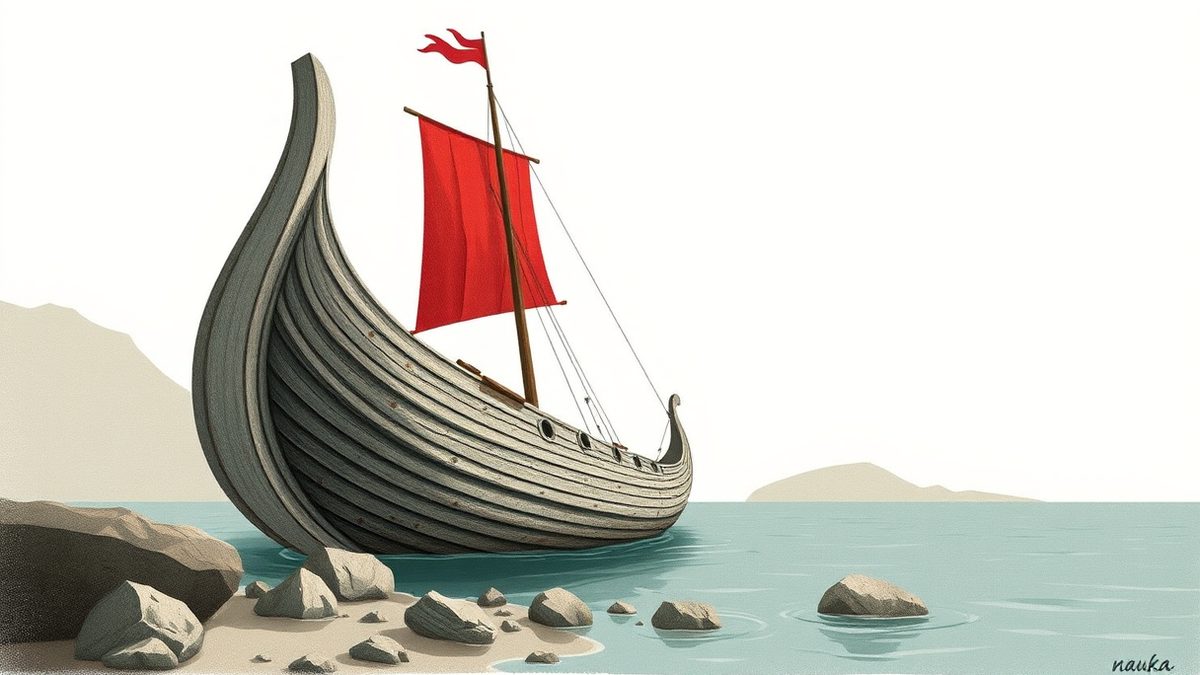
A shipwreck off Kekova Island in southern Turkey has been tentatively dated to between 2700 and 2400 BCE, about 4,500 years ago, in a first-person account by project researcher Karin Sowada published by The Conversation on 26 October. If the date holds, it would be the oldest known shipwreck, displacing a Greek wreck whose cargo dates to about 4,200 years ago.
Science10 November 20264 min readSources 19
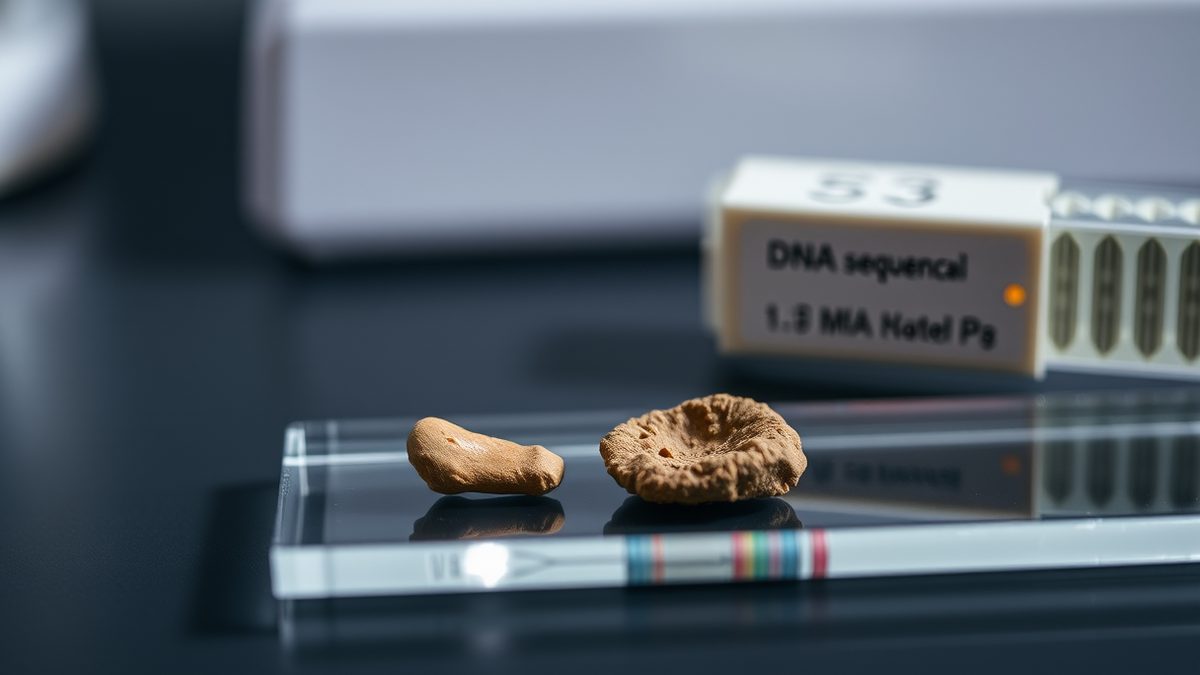
Genetic data from 27 Neanderthals who lived in Belgium and France less than 52,500 years ago show a connected, genetically diverse population rather than small inbred groups, according to a study published in Nature on 24 June 2026.
Science10 November 20263 min readSources 16
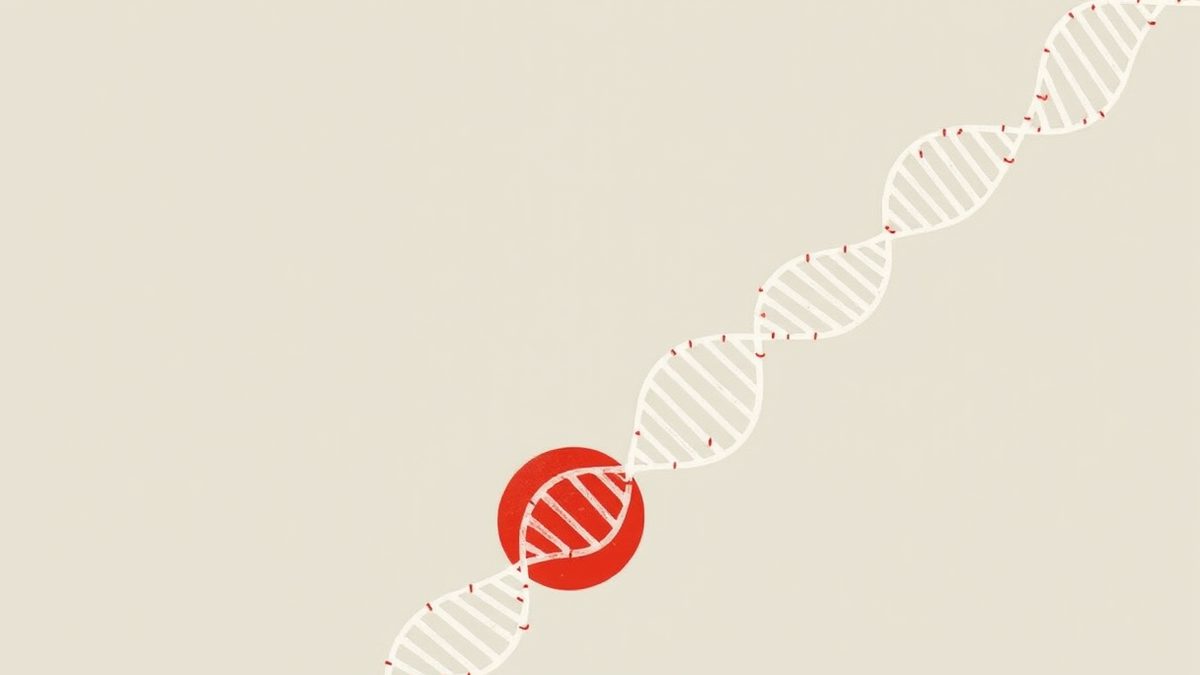
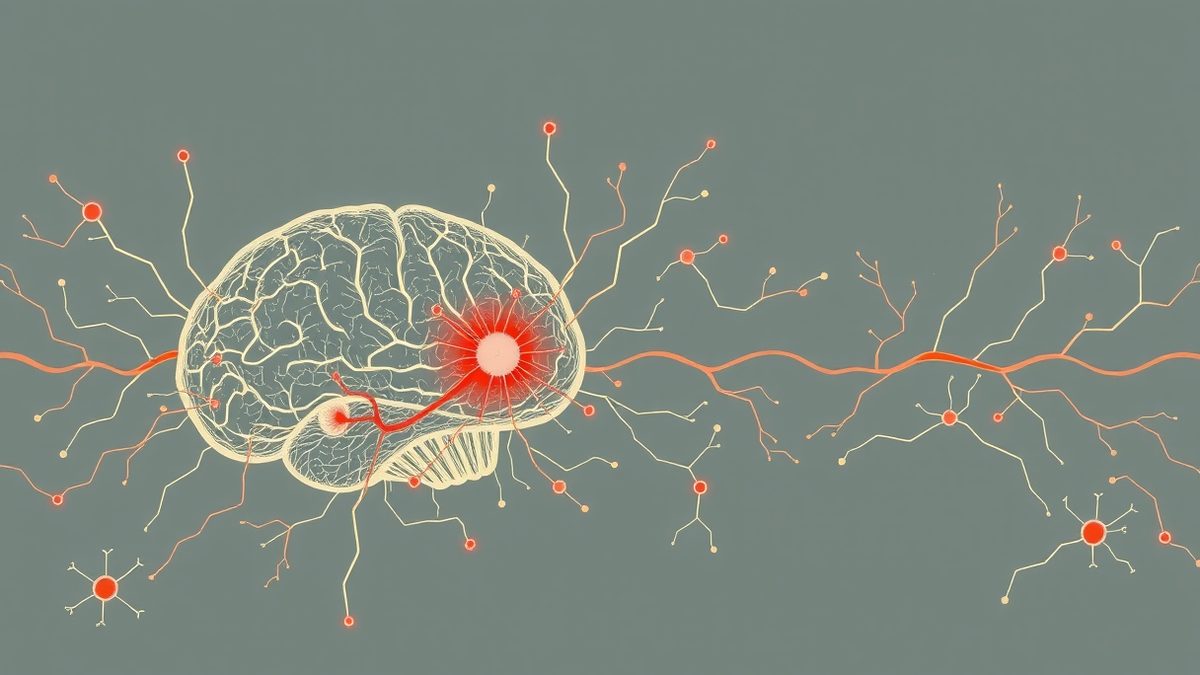
A 28 July 2026 Nature Medicine meta-analysis of 2,563,755 people found 26 genetic risk loci for fibromyalgia, a chronic pain syndrome. Authors say it is mainly a central nervous system disorder, not primarily autoimmune, with a possible peripheral immune component.
Science10 November 20263 min readSources 24
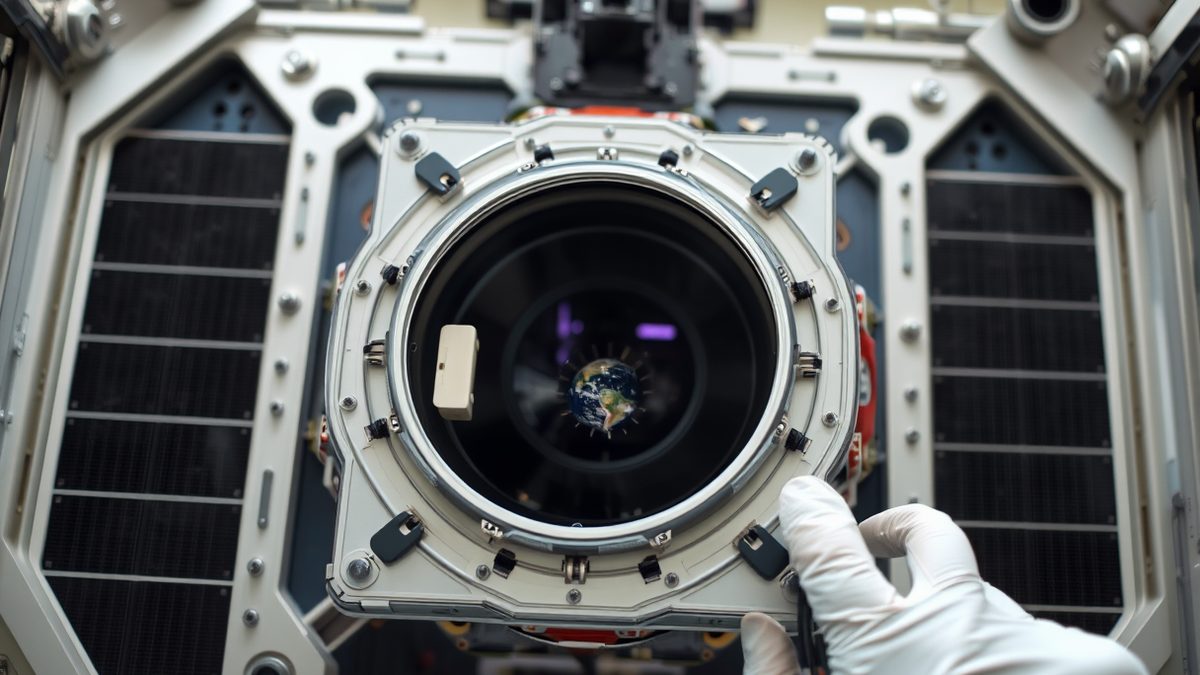
Planet Labs said on 9 November 2026 it signed a multi-launch agreement with Stoke Space for primary payload rights on Nova, a rocket that has not yet reached orbit. Neither company disclosed launch counts or financial terms.
Science10 November 20264 min readSources 31
SuperAgers have at least twice as many young neurons in their hippocampus as cognitively normal older adults, a Nature study released on 25 February found [1][3]. The University of Illinois Chicago and Northwestern University released the study [1][3].
Science10 November 20264 min readSources 21
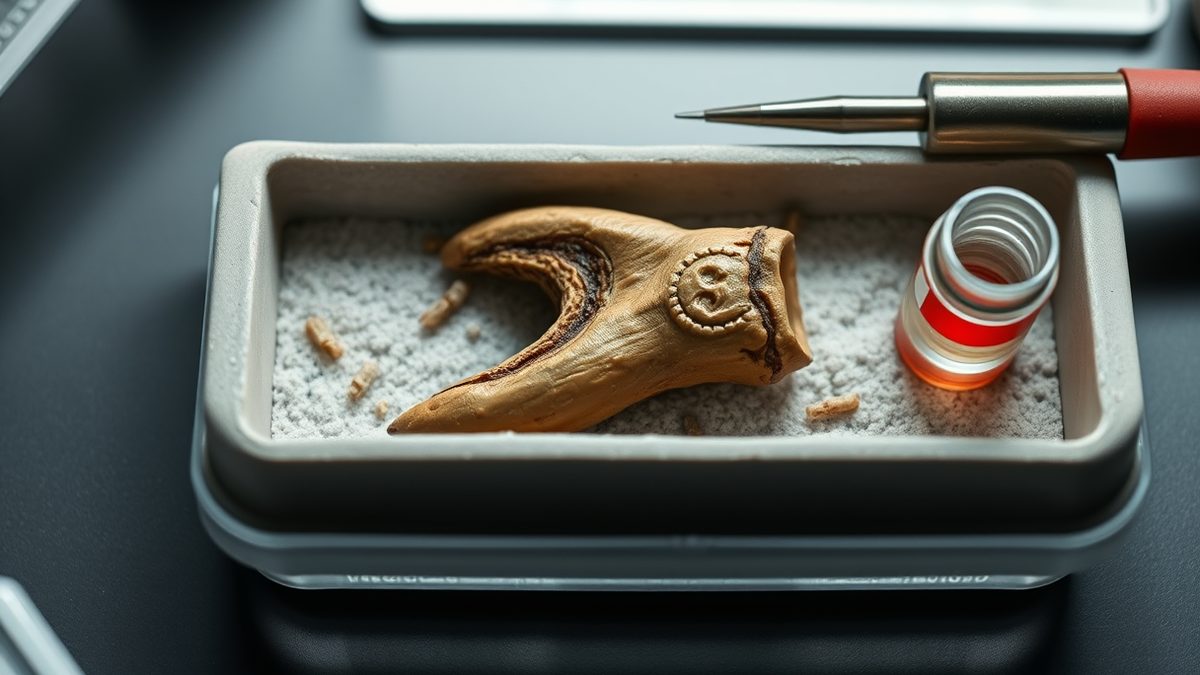
Archaeologists have found a seven-to-eight-gram cast-gold bear ornament during emergency excavations of a looted Saka mound at Almaty's Karagaily burial ground; similar ornaments exist in Kazakhstan, but none depicting a bear.
Science10 November 20264 min readSources 13