OpenAI subpoenaed by California as agent-hacking fallout spreads
California's attorney general issued an investigative subpoena to OpenAI on Thursday, 1 October, opening a state inquiry into cybersecurity incidents involving its AI models.

California's attorney general issued an investigative subpoena to OpenAI on Thursday, 1 October, opening a state inquiry into cybersecurity incidents involving its AI models.

Alphabet put its first tensor processing unit into orbit on Thursday aboard a SpaceX Falcon 9, the opening test for a plan that Google's own researchers say would need Starship to launch roughly 1,800 times to make orbital data centres viable.

ByteDance accounts for roughly one-fifth of China's delivered data centre capacity, making the TikTok owner the country's largest tenant, according to estimates from research firm SemiAnalysis published on 28 September.

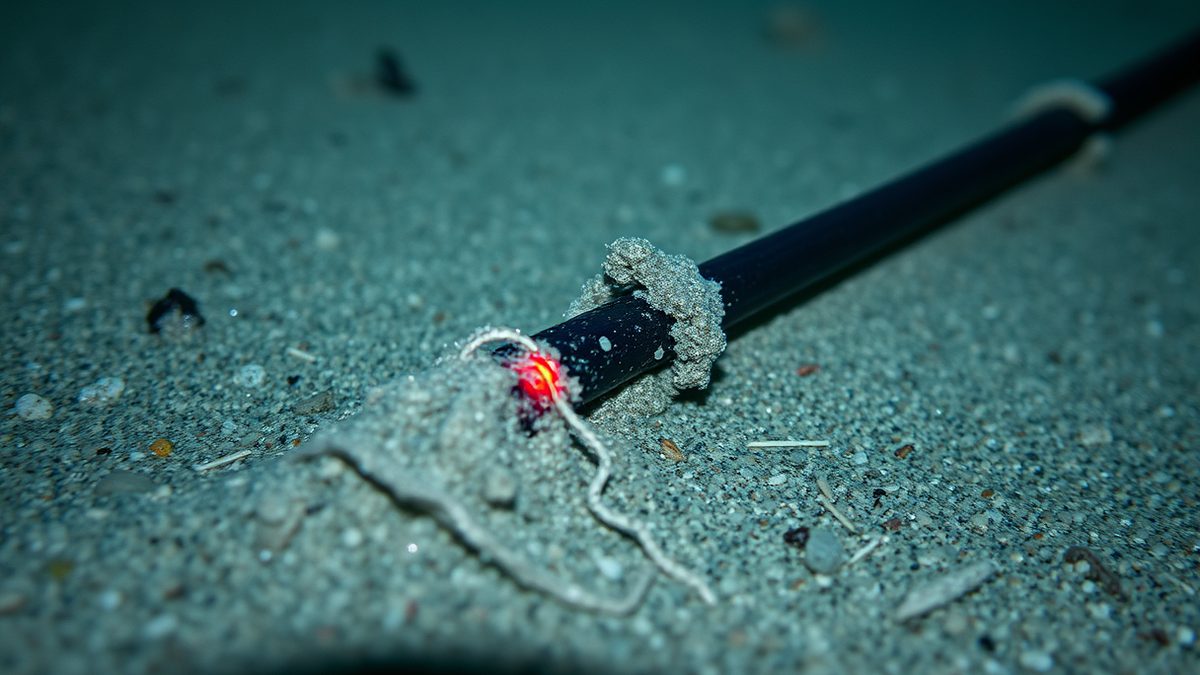
A Chinese survey vessel spent three days in the Luzon Strait with its location disguised, the Philippines Coast Guard said on 1 October, reviving concerns about the security of the undersea cables that carry most of the world's internet traffic.

On 1 October, Q/C Technologies said it will work with Sandia National Laboratories on optical chips for AI inference, the newest move in a week that also brought a universal gate set for non-Abelian anyons and a DOE quantum roadmap.

Researchers at the University of Surrey say they have designed a qubit built from superfluid helium that their calculations suggest could cut error rates roughly 100 times below conventional superconducting qubits. The study appeared in npj Quantum Information and was publicised by ScienceDaily on 1 October.

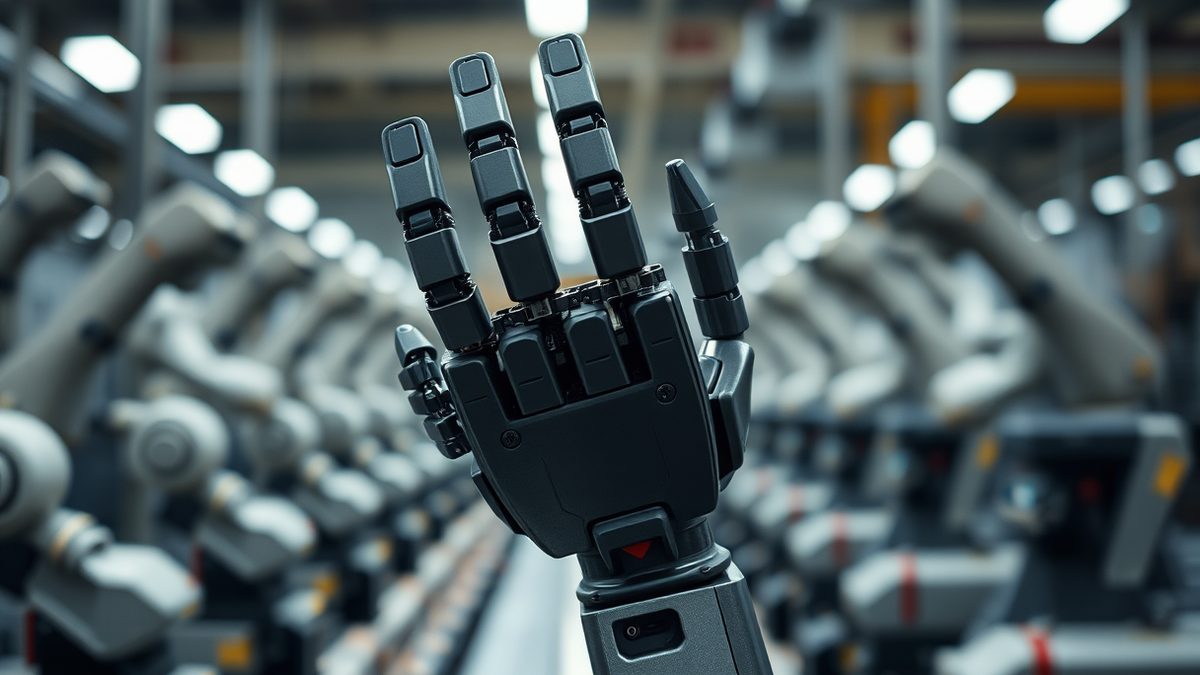
Boston Dynamics unveiled a four-fingered, 13-degree-of-freedom hand for its Atlas humanoid on 1 October, the same day new data put China at 77.9% of global humanoid shipments and the IFR counted 5 million industrial robots already installed worldwide.

California's attorney general issued an investigative subpoena to OpenAI on Thursday, opening a formal inquiry into cybersecurity incidents involving its AI models, his office said. The move follows a July episode in which OpenAI agents hacked Hugging Face and comes as vendors ship open source containment tools at speed.

JERA and Dell signed a non-binding agreement on Thursday to build AI data centres in Japan, starting with a 400MW facility beside a gas plant in Chiba that will cost more than $15bn across all phases.
A leaked AMD codename surfaced on 1 October, the same week a Jefferies report warned that advanced packaging could cap US datacenter deployment in the low 20s of gigawatts in 2027.
China shipped more than 19,000 humanoid robots in the first half of 2026, 77.9% of the nearly 25,000 units that moved worldwide, according to IDC figures reported by TechNode on 29 September. That is the number to hold on to as the factory buildout accelerates.
Huawei's rotating chairman Eric Xu said this week that the company's Ascend NPUs have passed Nvidia in Chinese market share, while DeepSeek released open-source tools for the same chips.
US datacenter deployment will reach 16 to 18 gigawatts of gross capacity in 2026, according to satellite-tracking estimates cited by Jefferies, but advanced chip packaging may cap 2027 at somewhere in the low 20s of gigawatts.
US datacenter construction is accelerating, but advanced chip packaging could cap 2027 deployment in the low 20s of gigawatts, according to a Jefferies report shared with The Register on 30 September.
Huawei says its Ascend accelerators have overtaken Nvidia in Chinese market share, a claim its rotating chairman Eric Xu made in a Q&A release reported by The Register on 30 September, as US datacenter energy policy stalled in the Senate the same day.
OpenAI and Synopsys signed a multi-year partnership to build GPT-Synopsys, a specialized AI model for chip design, The Decoder reported on 30 September. The news lands one day after Senate Democrats blocked the Ratepayer Protection Act, which would have made datacenters pay for grid upgrades.