Singapore launches five-year energy plan with five new gas plants by 2031
Singapore's Energy Market Authority launched a five-year plan to meet power demand from data centres, chip plants and electric transit, adding five gas-fired plants by 2031 as peak demand is projected to reach up to 13 gigawatts.
 Helen MarshCulture, food and lifestyle
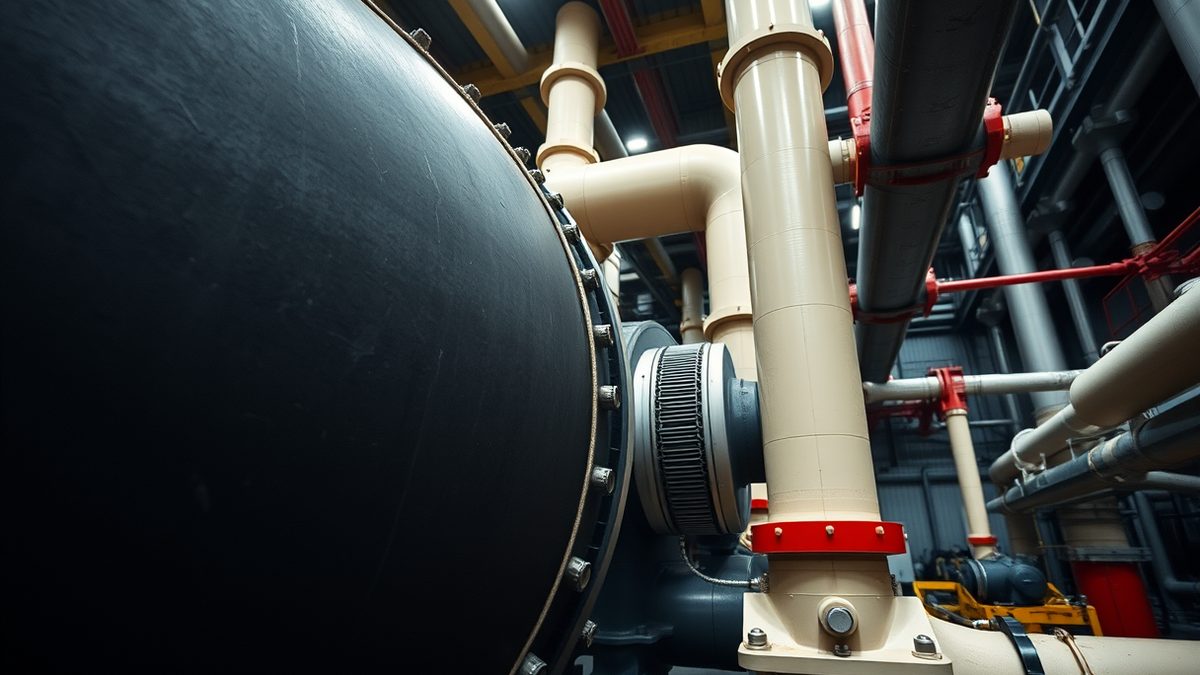
Five gas plants by 2031
Singapore's Energy Market Authority has launched a five-year plan covering generation, transmission, storage and regional interconnection, designed to meet power demand driven by data centres, semiconductor fabrication and the electrification of transit. The plan was set out at the Singapore Energy Lecture by Minister for Manpower and Second Minister for Trade and Industry Tan See Leng.
Peak power demand reached 8.6 gigawatts in August. Planners project it will climb to between 9.9 and 13 gigawatts by 2031, an increase of as much as about 50%, with the pace set by how quickly new advanced manufacturing clusters and computing centres connect to the grid. To keep base supply, five new natural gas-fired stations will come online between now and 2031, expanding generation capacity by roughly 26% from a baseline of about 12 gigawatts. Natural gas already produces about 95% of the country's electricity.
Tan said the build-out would be "the most significant build-up of our energy infrastructure in decades". He added that "the fastest megawatt will be the winning megawatt", and that the government is prepared to intervene if market forces fail to bring capacity online quickly enough.
Grid, storage and fuel supply
Singapore expects to channel up to $5.3 billion into grid expansion between 2025 and 2029, an elevenfold increase over spending in the preceding five years. The programme calls for seven transmission substations by 2031, against four completed in the previous five years, and high-voltage lines growing from about 7,700 kilometres to 9,100 kilometres by 2030. The EMA is also studying plans to more than triple Singapore's 31-mile underground cable tunnel system, with routes running direct connections into major industrial nodes including the Tampines Wafer Fab Park. Battery storage is slated to rise from roughly 350 megawatt-hours to more than 1 gigawatt-hour by 2030, to smooth solar output and buffer congestion during transmission upgrades.
Regasification capacity will increase from 10 million metric tons a year to 15 million once a second import terminal at Jurong Port begins operating by 2030. Officials are also studying an expansion of the primary terminal on Jurong Island, backed by reinforcements to the domestic gas pipeline network. On the generation side, regulators are reviewing bids submitted in a September tender for additional gas units due to enter commercial operation by 2032.
Solar has reached 2.3 gigawatts-peak of installed capacity. The country now expects to clear its 3-gigawatt-peak target for 2030 and has raised its sights to 4 gigawatts-peak by 2035. Authorities are also evaluating a consolidated energy district on Pulau Tekong that would combine hydrogen-ready gas plants with a liquefied natural gas import terminal and other low-carbon installations, and will prepare dedicated shore landing facilities for subsea power lines from neighbouring countries.
Decarbonisation and supply risk
Tan said Singapore would "pursue every possible low-carbon energy pathway" to build its target 2050 generation mix, but added: "We will not pursue decarbonisation at all costs." He also warned that resource nationalism could threaten fuel supplies, saying that "when there is a supply crunch, countries may also prioritise their own domestic needs".
What happens next
Further competitive bidding rounds for gas capacity will follow if industrial demand warrants, and feasibility studies continue on the Tekong district and on a second high-voltage cross-border connection.
Sources
22- 01‘Every solar plant can be a data center’EN
- 02Singapore Reveals Five-Year Energy Plan to Feed Data Center, Semicon ProgressEN
- 03A Michigan utility’s iffy plan to trap CO2 from its new gas plantsEN
- 04UK’s most polluting power plant could power country’s largest AI datacentreEN
- 05Shoals and Array announce merger plan in bid to create ‘one-stop shop’EN
- 06Back in control: How Hyrox plans to make hybrid racing a TV and Olympic spectacleEN
- 07Randomized Caches in HW: Overheads And Limitations (RUB, Max Planck, Georgia Tech)EN
- 08Kazakhstan Eyes Ambitious 2035 Goal for 2 Nuclear Power PlantsEN
- 09More of the Same Expensive Dependence on Fossil Fuels in TEP and APS 2026 Energy PlansEN
- 10Putting the show in showjumping: Inside the Premier Jumping League’s US$300m plan to transform equestrianEN
- 11Is There Room for Small-Scale OSATs in India’s Chip Packaging Boom?EN
- 12 Planetary defense: How military and civil satellites are watching fireballs to help keep Earth safe from space rocks EN
- 13 On this day in space! Nov. 1, 1962: The Soviet Union Launches Mars 1 spacecraft to Red Planet during the Space Race EN
- 14 5 bright planets to spot in November — when and where to see them EN
- 15Xiaomi follows Li Auto with planned Sunwoda EVB investment to deepen battery tiesEN
- 16GAC's battery unit Inpow starts production at Thailand plant, its first overseas pack facilityEN
- 17A mysterious star system just 16 light-years away may be hiding habitable planetsEN
- 18Xpeng launches Mona L05 SUV to bolster Q4 sales pushEN
- 19VMO2 to axe 30% staff costs, halt fiber build in £800M savings planEN
- 20Speeding up planning decisions with AIEN
- 21What kind of virtual power plant would you choose?EN
- 22Google plans big virtual power plant in energy-strapped PJM gridEN
All figures and quotations in this text come from the sources listed below.
Content prepared by the editorial team with AI assistance.
Helen Marsh
Comments
0- No comments yet — be the first.