FCC opens 50 MHz of 800 MHz band to drone operations
The FCC voted on 29 October to remove a decades-old restriction and open 50 MHz of licensed low-band spectrum in the 800 MHz band to drone command, control and payload links, saying modern networks prevent interference.
 Rachel NwosuAI, models and technology
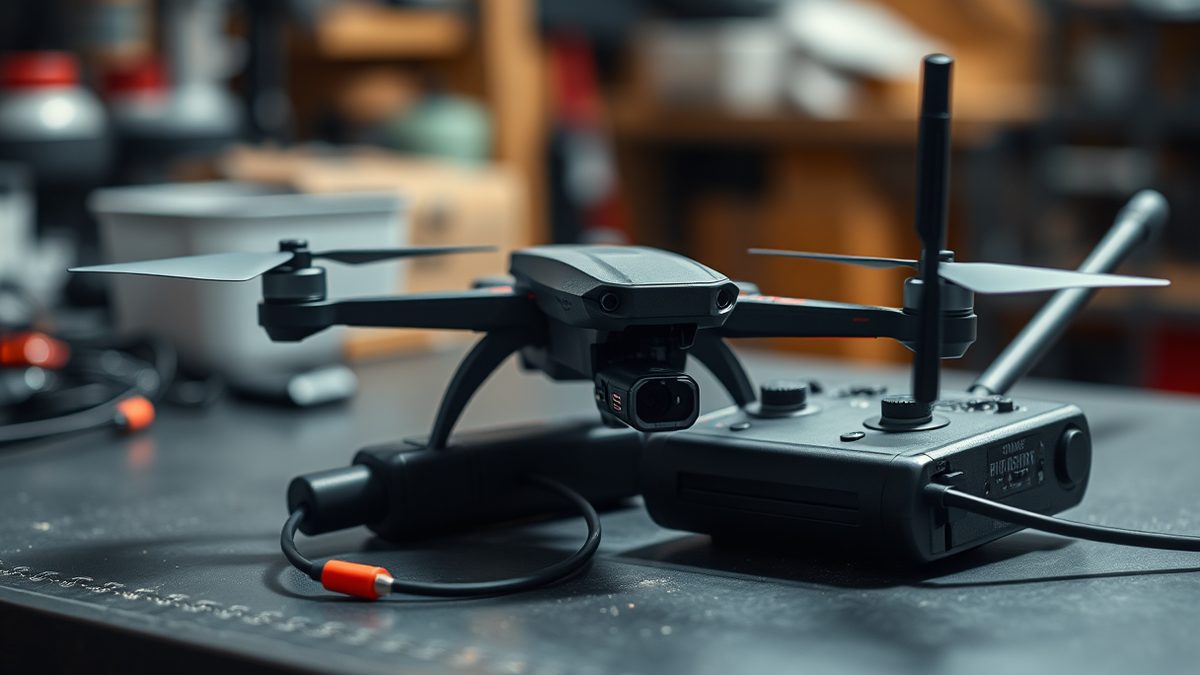
What the 29 October vote changed
The order adopted on 29 October removes a restriction that unintentionally prevented drones from operating in 50 megahertz of low-band spectrum in the 800 MHz band. It opens that slice for uncrewed aircraft systems (UAS) command, control, communication and payload operations, the FCC said. The agency describes the spectrum as licensed, nationwide and low-band.
The order finds the decades-old 800 MHz cellular airborne use restriction no longer necessary for UAS because modern wireless networks use advanced technologies to prevent drones from causing interference, according to the FCC. The band was one of the earliest licensed mobile bands: the commission adopted rules for 800 MHz cellular service in 1981. In 1991 it barred airborne use to limit interference to terrestrial networks from phones on planes. That prohibition carried into current rules and stood in the way of drone operations.
Why the order matters
The FCC said the action maximizes potential uses for 50 megahertz of licensed, nationwide, low-band spectrum and provides parity with other similar flexible-use bands. The order is part of a two-prong strategy of commercializing spectrum access and securing the homeland, the agency said. The commission has also launched a broad proceeding on reforms for US drone technology, manufacturing and operations, and has used experimental licensing and Innovation Zones to support drone innovation. It has also supported counter-UAS tools for local law enforcement and taken strong action against foreign-produced drones.
The 19 November agenda
The FCC will consider separate proposals at its 19 November meeting, according to Unmanned Airspace. One would open the 450 MHz band to safety-related data links between ground stations and crewed and uncrewed aircraft, replacing site-specific licensing with a nationwide system. Another would let ground-based radar systems use the 24.45 to 24.65 GHz band to detect and track unauthorised or dangerous drones near airports, borders, prisons, stadiums and critical infrastructure. The proposed rules would require systems to protect other users with priority access to the band.
Separate items would update rules for the 800 MHz air-ground band to support broadband connectivity for aircraft. The FCC would also consider expanding low-Earth orbit satellite connectivity for mobile users, including drones, across the 28.35 to 28.6 GHz band. The proposals remain subject to a vote by the full Commission.
Sources
11- 01FCC clears drone operations in 800MHz bandEN
- 02FCC proposes spectrum changes for drone communications and counter-UAS detectionEN
- 03Global Drone Defense System Market Report 2026EN
- 04AUVSI Drone & AAM Policy Symposium 2026: Lawmakers, Regulators and Industry Convene in Washington as Drone and AAM Rules Take ShapeEN
- 05 Drone warfare in space: Swarms of autonomous, laser-shooting cubesats could defend Western satellites in orbit EN
- 06Using 5G networks for drone detection – two major steps forward in one day - Unmanned airspaceEN
- 07 US Army successfully flies a hybrid electric drone with 3D-printed heavy-fuel rotary engine — uses advanced engineering to ditch a bulky liquid cooling system EN
- 08Choosing The Right Power Transistor: Why Application Fit Matters More Than TechnologyEN
- 09EASA’s Innovative Air Mobility Forum – seeking clarity but no radical change to U-space adoption - Unmanned airspaceEN
- 10Fast and glorious: how medical drones are revolutionizing healthcare - AirMed&RescueEN
- 11How Beta Technologies Is Clearing the Runway for Electric FlightEN
All figures and quotations in this text come from the sources listed below.
Content prepared by the editorial team with AI assistance.
Rachel Nwosu
Comments
0- No comments yet — be the first.