German industrial output rises 0.7% in September on carmaking rebound
German industrial production rose 0.7% in September from August, Destatis said on 6 November, beating forecasts of no change as automotive output jumped 17.1%.
 Dr. Amara PatelEconomy, business and world
September rebound
The gain followed a 1% rise in August, which Destatis revised down from an earlier 2% estimate. From a year earlier, industrial production was up 0.4%.
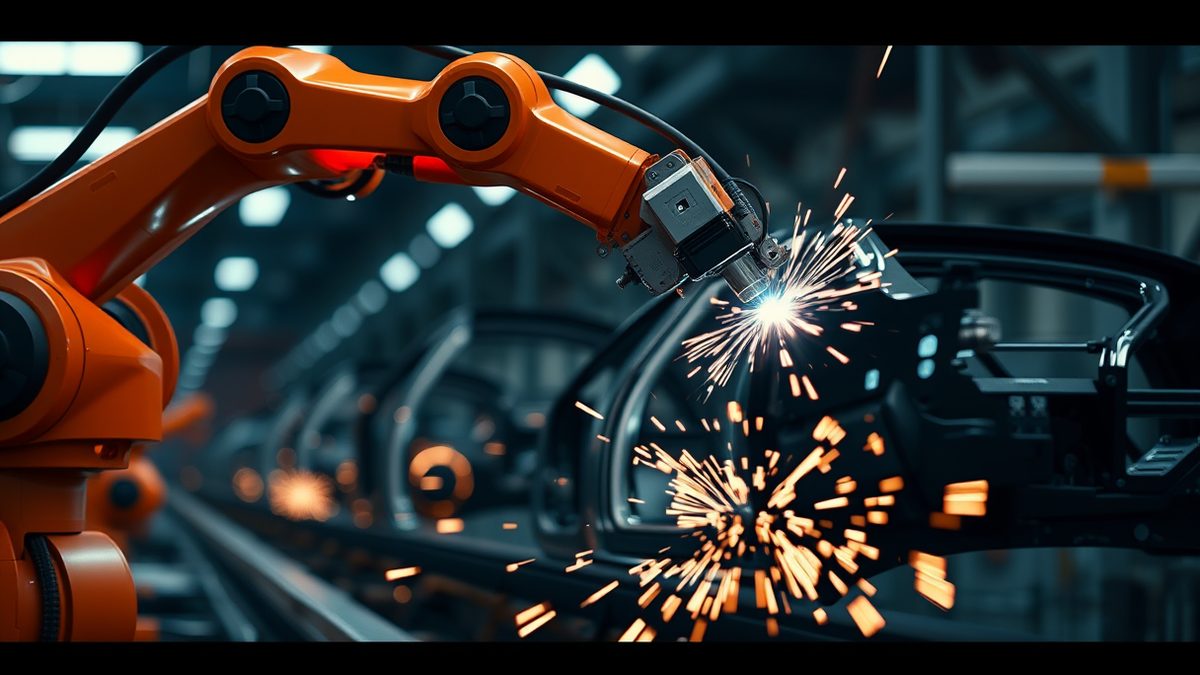
Automotive production jumped 17.1% from August. Destatis linked part of the increase to plants resuming operations after production changes and summer holidays. The sector had been subdued in the previous two months. Pharmaceutical output rose 8% after two weak months.
Core manufacturing, excluding energy and construction, rose 1.7% on the month. Capital goods output rose 3%, consumer goods 0.8% and intermediate goods 0.1%. Energy production fell 1.2% and construction fell 2.6%. Machinery and equipment output dropped 6.5%, reversing a 5.8% rise in August.
Weak quarter, weak outlook
The September gain did not lift the quarterly total. Industrial production fell 0.4% in the third quarter from the second, Destatis said. Energy-intensive sectors produced 0.8% more in September but remained 1.9% below their output a year earlier, the office said.
The German economy grew 0.2% in the third quarter, Fakti.bg reported, with government investment in infrastructure and defense helping to support activity. Industrial companies still face high production costs, more expensive financing and tougher competition from China.
The Middle East energy shock has halved Germany's 2026 growth forecast, DW reported. Economy Minister Katherina Reiche expects growth of just 0.5% this year, half the pace assumed before the US-Israeli war against Iran began. The January annual report, presented before that war, had expected a slow but steady recovery. Reiche said the war has triggered an energy-price shock beyond Germany's control. She said Germany's growth weakness is mainly structural, and the European Commission ranks Germany at the bottom of Europe's growth tables. Reiche said an increasing number of industrial jobs are being cut and some are moving abroad.
Commerzbank chief economist Jörg Krämer told Reuters that German industry continues to operate at low production levels despite the latest data. KfW economist Dirk Schumacher said the September results were a sign of stabilizing industrial activity, with rising new orders and improving business sentiment creating conditions for stronger growth in the coming months.
Fakti.bg reported that Carsten Brzeski of ING warned the sharp recovery in automotive production may be linked mainly to the end of summer holidays rather than a lasting improvement. ING put Germany's potential growth rate at no more than 0.5% and said the economy is the same size as in 2019. It cited under-investment, slow reform in the 2010s and China's shift from export destination to system rival.
Sources
26- 01German Industry Surprises with Production Growth - Fakti.bgEN
- 02Germany's industrial output rises 0.7% in September, beating forecasts - Anadolu AjansıEN
- 03Eurozone Economic Growth Slows to Four-Month Low as Inflation Hits 4%EN
- 04Eurozone: GDP grows by 0.4 per cent in the third quarter - Il Sole 24 OreEN
- 05French Economy Unexpectedly Shrinks as Headwinds Gain Strength - BloombergEN
- 06'Tech beats tariffs': German industry chiefs demand faster reforms - The Korea HeraldEN
- 07German economy ends 2025 on a high - ING ThinkEN
- 08German economy growth forecasts halved - DW.comEN
- 09The Global Economy Is Forecast to Post ‘Sturdy’ Growth of 2.8% in 2026 - Goldman SachsEN
- 10Eurozone Growth Gets a German BoostEN
- 11Eurozone PMIs Rise on Industrial Optimism, Frontloading, Says ABN AmroEN
- 12Soluxtec resumes TOPCon solar module production in GermanyEN
- 13Chip Industry Week In ReviewEN
- 14A Barista FIRE Guy: Why Did the German Economy Stagnate? Considering Whether Europe's Largest Economy Can RecoverEN
- 15US government warns of ‘ongoing cyber threat’ amid mass hacks of industrial retail and military freezersEN
- 16Europe’s Chip Industry: Perfect Storm or Perfect Timing?EN
- 17Infineon’s Steve Tateosian Talks IoT, Consumer, and Industrial MCUs at OktoberTechEN
- 18Germany’s EV share hits record 37% as BEVs beat gas and diesel combinedEN
- 19From views to subscriptions: SquashTV’s streaming growth story with DailymotionEN
- 20Volkswagen’s affordable ID. Polo wins German Car of the Year 2027 as EVs dominateEN
- 21Germany’s Hydrogen Pipeline Reached Marl. Its Market Still Needs to Add Up.EN
- 22Nio October deliveries fall 15.23%, ending 31-month streak of year-on-year growthEN
- 23AMD Q3 2026 Earnings Data Center Growth Drives Record QuarterEN
- 24Can battery swapping and energy storage power CATL’s next phase of growth?EN
- 25AI, fuelled by advanced chips, set to power semiconductor manufacturing: industry veteranEN
- 26'Elite North Korean hackers' blamed for $6.3B Binance hackEN
All figures and quotations in this text come from the sources listed below.
Content prepared by the editorial team with AI assistance.
Dr. Amara Patel
Comments
0- No comments yet — be the first.