UN Western Sahara mission mandate expires after US and Russian vetoes
MINURSO's mandate expired on 31 October after Russia and the United States vetoed rival Security Council drafts, and the UN began liquidating the mission on 1 November, leaving Western Sahara without international observers.
 Dr. Amara PatelEconomy, business and world
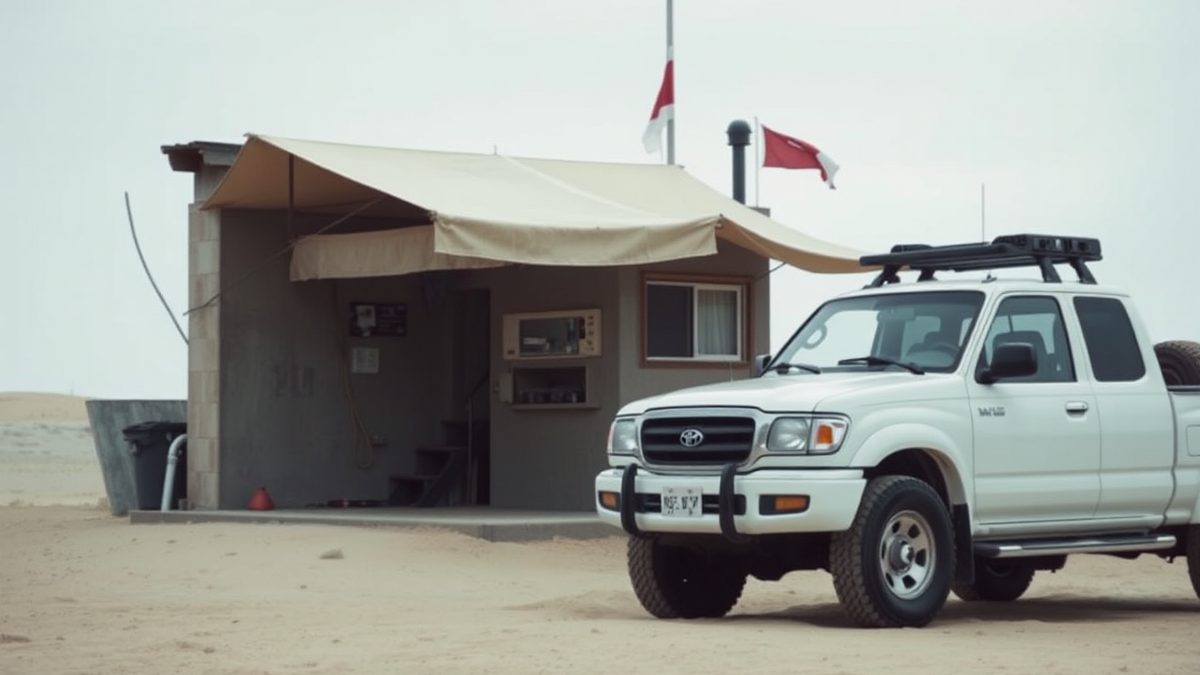
The UN began liquidating the mission on 1 November, the day after its mandate expired. Secretary-General António Guterres said Sunday, 1 November, marked the formal conclusion of the 35-year deployment. UN spokesperson Stéphane Dujarric said 'this 1 November 2026 marks the start of the liquidation period.' A smaller team reporting to the Department of Operational Support will move troop-contributing countries' assets home and dispose of UN equipment. No new Security Council vote has been announced, and the legal basis for ceasefire monitoring is in doubt.
Vetoes end the mandate
The Rio Times reported that the 15-member council met on Friday 30 October and voted first on a US draft. The text won 11 votes in favour, one against from Russia and three abstentions, including China and Pakistan. A resolution needs nine yes votes and no veto from any of the five permanent members, so Russia's single no vote blocked it. The version put to the vote would have extended the mission to 2027 rather than ending peacekeeping in April.
Russia then tabled a short text that would have extended the mission unchanged until 31 October 2027. It won three yes votes, from China, Somalia and Russia; the United States voted no and 11 members abstained. MINURSO's mandate expired the following day, Saturday 31 October.
What the US draft sought
The US draft would have renamed the mission MINUSO, dropped the word referendum from its title and made Morocco's 2007 autonomy plan the only basis for talks. That plan offers self-government under Moroccan sovereignty. US delegate Mike Waltz called the draft 'a good faith attempt to make a mission that has not delivered in 35 years fit for purpose' and said 'the status quo is unacceptable.'
Russian delegate Vasily Nebenzya called the deletion of one letter from the mission's name a 'betrayal of the Tindouf camp residents' and his veto 'life-saving.' The Rio Times reported that China abstained, saying there had been too little consultation and that a mandate should not be used for political pressure, and that France and the United Kingdom voiced regret over the veto. France warned that an abrupt closure would be 'exceedingly alarming.'
Morocco's response
King Mohammed VI celebrated the suspension of the mandate renewal as 'an important breakthrough and a significant step towards definitively closing the question of the Moroccan Sahara at the United Nations.' Morocco's Royal Cabinet said on Friday that the mission's staff should leave the country's southern provinces within days. It called for the issue to come off the Council's agenda and for the UN-led political process to be suspended.
Mohamed Ould Errachid, speaker of Morocco's House of Councillors, told a joint session of both houses on Monday that recent international developments had opened a new opportunity to resolve the dispute. He said 11 members had backed the draft making Morocco's autonomy initiative the sole basis for negotiations, and described the period as a turning point from managing the conflict to resolving it.
What MINURSO leaves behind
MINURSO was established in 1991 alongside a UN-brokered ceasefire. It was tasked with maintaining the truce and facilitating a vote on self-determination. GBC Ghana Online reported that the proposed referendum was never held because of disagreements over voter eligibility, and that the departure leaves the region without international observers for the first time since the early post-colonial era.
Todo Alicante reported that the ceasefire collapsed in 2020, and The Rio Times reported that the Polisario Front declared the 1991 truce over that year. Tensions have risen since. In 2025, Morocco killed Polisario military chief Lahbib M. Abdelaziz in a drone strike, launched in response to an offensive by the Sahrawi independence group against Smara, where Moroccan military bases are located.
What happens next
Algeria's Foreign Ministry voiced 'deep regret' over the non-renewal, citing the 'excessive bias' of the United States toward Rabat. The Polisario Front called the outcome 'an unacceptable decision' and said it was concerned at the deadlock in the council. Its representative, Sidi Mohamed Omar, called the Russian veto a 'historic day' for his people.
The Council has not agreed to take the issue off its agenda. Algeria and the Polisario Front reject Morocco's request. The Rio Times reported that no date has been announced for another Council meeting on Western Sahara, and that it is unclear whether any member will propose a short extension.
Sources
5- 01Morocco's Upper House Speaker Says Western Sahara Dispute Enters New PhaseEN
- 02Mohammed VI hails end of UN mission in Western Sahara as a triumphEN
- 03UN peacekeeping mission in Western Sahara ends after 35 years following US-Russia standoffEN
- 04Russia Vetoes US Sahara Draft Backed by 11EN
- 05Neural Super ResolutionEN
All figures and quotations in this text come from the sources listed below.
Content prepared by the editorial team with AI assistance.
Dr. Amara Patel
Comments
0- No comments yet — be the first.