Washington Post to lay off 118 Springfield printing plant workers by 31 December
The Washington Post will lay off 118 workers at its Springfield, Virginia, printing plant by 31 December as it moves production to a smaller Dulles-area facility, a Virginia Works notice shows.
 Rachel NwosuAI, models and technology
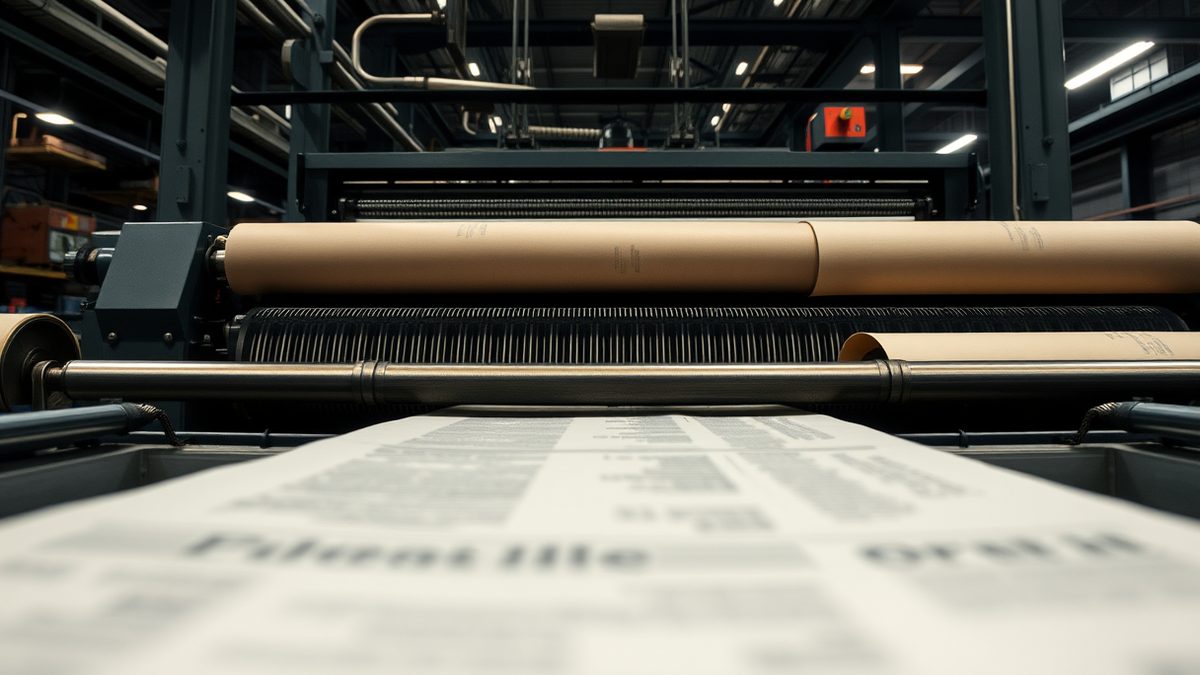
The filing, dated 7 October, lists press operators, machinists, maintenance employees and circulation drivers among the affected roles. The Washington Business Journal reported the notice. The Post is moving from Springfield to a smaller facility near Dulles, a move first announced in January.
The plant and the move
Springfield opened in 1980 and spans roughly 500,000 square feet across more than 40 acres. The company said in January that it was considering selling the property, which was assessed at $38 million. The relocation is intended to reduce costs and modernize the Post's printing operations. The Post initially expected the move to take about a year.
The company is installing a new press at the Dulles-area facility. It says the press will improve efficiency and help sustain its print business over the long term, and that the facility is designed to meet current and future demand.
About half of the Springfield plant's overall workforce is relocating to the new facility, a source familiar with the plans told TheWrap. It remains unclear how many, if any, of the 118 employees listed in the notice will transfer. The plant's total headcount was not disclosed, so the share of workers affected by the 118 layoffs is not clear.
Why the cuts matter
The Post's daily print circulation fell to approximately 97,000 in 2025, with Sunday circulation at 160,000, according to Alliance for Audited Media figures cited by the Washington Business Journal. That put daily print circulation at less than two-thirds of the Sunday figure.
The Post has said it is on track to break even in 2026 after years of losses. The Wall Street Journal reported that the Post lost around $100 million in 2024 as advertising and subscription revenues fell. Jeff D'Onofrio, who took over as acting publisher after Will Lewis resigned in February, was named to the role permanently in September. The plant decision is part of a wider cost reduction effort at the paper.
The Springfield cuts follow a larger February round that eliminated the books section, ended the sports department in its previous form and reduced foreign and local coverage. The New York Times reported that approximately 300 of the Post's 800 journalists were laid off in that round. The Washington Post Guild said in February that the paper had lost about 400 people in the past three years.
The Post had also offered buyouts to hundreds of writers and editors and laid off staff outside its newsroom before that round, Front Office Sports reported.
Sources
14- 01Washington Post to Lay Off 118 Workers in Printing Plant RelocationEN
- 02Washington Post Eliminates Sports Department in Mass LayoffsEN
- 03Bezos-led Washington Post announces 'painful' job cuts; NYT says 300 journalists have been let goEN
- 04Elegy for the Washington Post climate teamEN
- 05Sierra Club Releases Post-Election Congressional Policy Blueprint to Reduce Costs, Preserve Public Lands, and Make Polluters PayEN
- 06Virtual power plants can help avoid overbuilt grid if AI boom goes bustEN
- 07‘Every solar plant can be a data center’EN
- 08A Michigan utility’s iffy plan to trap CO2 from its new gas plantsEN
- 09Vision Paper: Why Distributed LLM Post-Training and Decentralized Alignment Are Now EssentialEN
- 10STAT+: Amid Mass General Brigham layoffs, CEO pens vague letter, stirring staff anxietyEN
- 11Kazakhstan Eyes Ambitious 2035 Goal for 2 Nuclear Power PlantsEN
- 12GAC's battery unit Inpow starts production at Thailand plant, its first overseas pack facilityEN
- 13Comcast state-level layoff warnings start to roll inEN
- 14Launch HN: Momentic (YC W24) – Agents that catch bugs by using your appEN
All figures and quotations in this text come from the sources listed below.
Content prepared by the editorial team with AI assistance.
Rachel Nwosu
Comments
0- No comments yet — be the first.