Airport biometrics in 2026: certified gates, unchanged border rules
On 3 November 2026, The West Australian reported the results of IATA's 2026 Global Passenger Survey, which found 87 per cent of passengers who had used airport biometrics were satisfied with the experience, the highest level the survey has recorded. The same survey found 84 per cent were interested in using a digital passport for online check-in instead of the physical document.
 Peter LindqvistSport, cars and travel
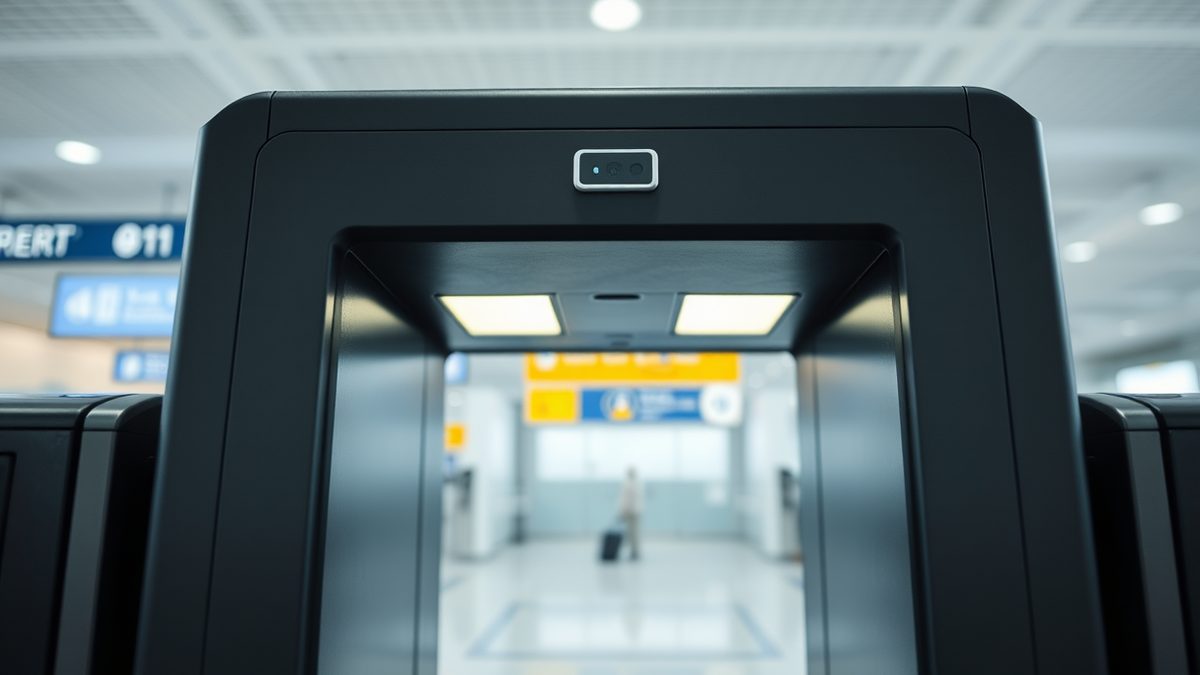
Travellers will meet face-scan gates at more airports, but the passport and the immigration officer stay. Certification and trials cover identity checks, not admission decisions. For airports and airlines the payoff is throughput and shorter boarding. Nobody has published a date when a digital credential alone gets a passenger across a border.
What the 2026 survey actually says
The survey is not a small sample. IATA based the 2026 edition on 10,000 responses from passengers in more than 200 countries. Of those who had used biometrics, 87 per cent said they were happy with the experience, the highest level recorded.
Demand shows in the willingness numbers. 78 per cent said they would share biometric information if it removed the need to show a passport or boarding pass at checkpoints. 84 per cent were interested in a digital passport for online check-in, and 58 per cent had encountered airport biometrics in the previous 12 months.
The same respondents are wary. 59 per cent worry about data breaches, 49 per cent about information being shared with other organisations and 41 per cent about unclear handling of their data. Put those findings beside the satisfaction figure and the survey reads less like a mandate than a trade.
One more number reframes the debate. 43 per cent of passengers said complex immigration requirements had put them off visiting a destination. The friction passengers describe sits at the visa stage, not at the face-scan gate, and no biometric gate fixes it.
Two certificates, and one airport's own numbers
Hong Kong International Airport and Air New Zealand became the first organisations certified under IATA's One ID programme on 28 October 2026. The framework covers digital identity and biometric processes across a passenger journey. Certification assesses contactless travel, biometric handling, privacy governance and digital checks of travel eligibility, within defined operational scopes.
Hong Kong brought its own numbers. The airport operator says more than 93 million passengers have used its Flight Token biometric system since 2021. It also says more than 80 per cent of departing passengers are eligible to use Flight Token at all key departure checkpoints. Those are the operator's reported figures, not an independent measurement of time saved.
Scope matters here. Certification applies to defined operational scopes and does not give an airline or airport permission to override another country's border rules. An identity match cannot replace a visa, an entry permission or an immigration assessment.
Nick Careen, IATA's senior vice-president for operations, safety and security, framed certification as a trust problem rather than a technology one. "Digital identity can make travel much simpler for passengers, but only if everyone involved in the journey trusts how others verify data, handle biometric data and protect privacy," he said.
Bengaluru takes Digi Yatra to international departures
On 1 November 2026 Kempegowda International Airport Bengaluru began a 90-day international trial of Digi Yatra, the first such trial in India for international boarding. It runs with SITA and links India's Digi Yatra identity system to e-passports and airline departure control systems.
The trial is narrow. It is limited to Indian citizens holding machine-readable e-passports, flying Air India or IndiGo on participating international flights. Digi Yatra already serves more than 26.5 million domestic users. Passengers validate the e-passport chip through the Digi Yatra app and complete a photo verification before a digital travel credential is issued.
None of that removes the border. Travellers must still present physical passports, visas and boarding credentials at Bureau of Immigration counters and at CISF security checkpoints. The pilot covers identity checks inside the terminal, and airport authorities say it does not bypass statutory immigration or emigration procedures.
George Fanthome, chief technical officer at Bangalore International Airport Limited, described the launch as a step towards a more efficient and digitally enabled travel experience. He credited government authorities, Digi Yatra, SITA, IndiGo and Air India with the rollout.
The bottleneck is regulation, not cameras
Speaking at an IATA media briefing on the survey, Careen said the industry had already shown that digital travel credentials work in practice. "We've illustrated it does work," he said. "But we do need the governments to change their regulations to allow for it."
Careen put a rough timeline on it. He said he would guess it is between now and 2030 before meaningful usage of digital travel credentials. Wider adoption could come within three to five years if the rules change. He suggested Europe, through Digital Travel Credential initiatives, is likely to be the first large-scale proving ground.
That diagnosis is not unique to aviation. A workshop held by the Cambridge DPI Regulatory Programme and the Alan Turing Institute concluded that cross-border digital ID could be widely implemented technically now. Governance and regulation are the hold-up.
Gates on the ground, and the trust problem
The gates keep going in anyway. Cluj-Napoca's Avram Iancu International Airport deployed 12 automated border control gates supplied by SITA. Six went into the departures terminal for EU passengers heading to non-Schengen destinations, six into arrivals. The project was worth RON 12,084,739 excluding VAT.
One Border Police operator can watch six gates at a time under that configuration. The county council says the gates are meant to raise processing capacity and cut congestion, and in arrivals they serve as an interim measure until a terminal expansion is finished.
Vendors are selling speed. Thales says more than 600 airport touchpoints run its Fly to Gate biometric system, with an average recognition time of two seconds per touchpoint. The company claims the system cuts boarding time by up to 30 per cent and targets at least 20 per cent more terminal throughput. Those are vendor figures, not audited results.
Trust is the weak point. A cyberattack on Moldova's digital government infrastructure exposed personal information linked to about 750,000 national ID numbers, including biographical data, photographs and bank account details. That is the risk passengers named in the survey when 59 per cent said they feared a breach.
So the 2026 picture is uneven by design. A certified airport in Hong Kong, a 90-day trial in Bengaluru, new gates in Cluj-Napoca, and a survey cohort that likes the scan but not the data handling. The technology is ready enough to certify. The rules that would let a credential replace a passport stamp are still being written, and IATA's own timeline runs to 2030.
Sources
13- 01Passengers embrace technology to improve their journeyEN
- 02Digital Passports and Airport Biometrics: What Changed in 2026 and What Travelers Still NeedEN
- 03Kempegowda International Airport launches Digi Yatra trials for international departuresEN
- 04Bengaluru Airport Trials SITA SmartPath for International Digi YatraEN
- 05Feature: Is the touchless airport tied in red tape?EN
- 06Biometrics and standards bring cross-border digital ID closerEN
- 07Avram Iancu International Airport deploys automated border control system, CAT III landing technologyEN
- 08Thales redefines the airport journey with AI-powered biometricsEN
- 09Shaping the future of aviation security: advanced technology delivering greater security, efficiency and passenger comfort at Munich Airport - International AirEN
- 10How Beta Technologies Is Clearing the Runway for Electric FlightEN
- 11Inside Automotive DMS & OMS: Technology, Challenges & Power Solutions EN
- 12EU lawmakers slam new border force powers to surveil social mediaEN
- 13TechnoMile Recognized as a 2026 Inc. Power Partner Award WinnerEN
All figures and quotations in this text come from the sources listed below.
Content prepared by the editorial team with AI assistance.
Peter Lindqvist
Comments
0- No comments yet — be the first.