Bengaluru opens Digi Yatra to international departures in 90-day SITA trial
Kempegowda International Airport Bengaluru began a 90-day Digi Yatra trial for international departures on 1 November 2026, the first Indian airport to test face-based checks on overseas flights. The pilot covers only Air India and IndiGo passengers carrying e-passports, and it leaves immigration counters untouched.
 Peter LindqvistSport, cars and travel
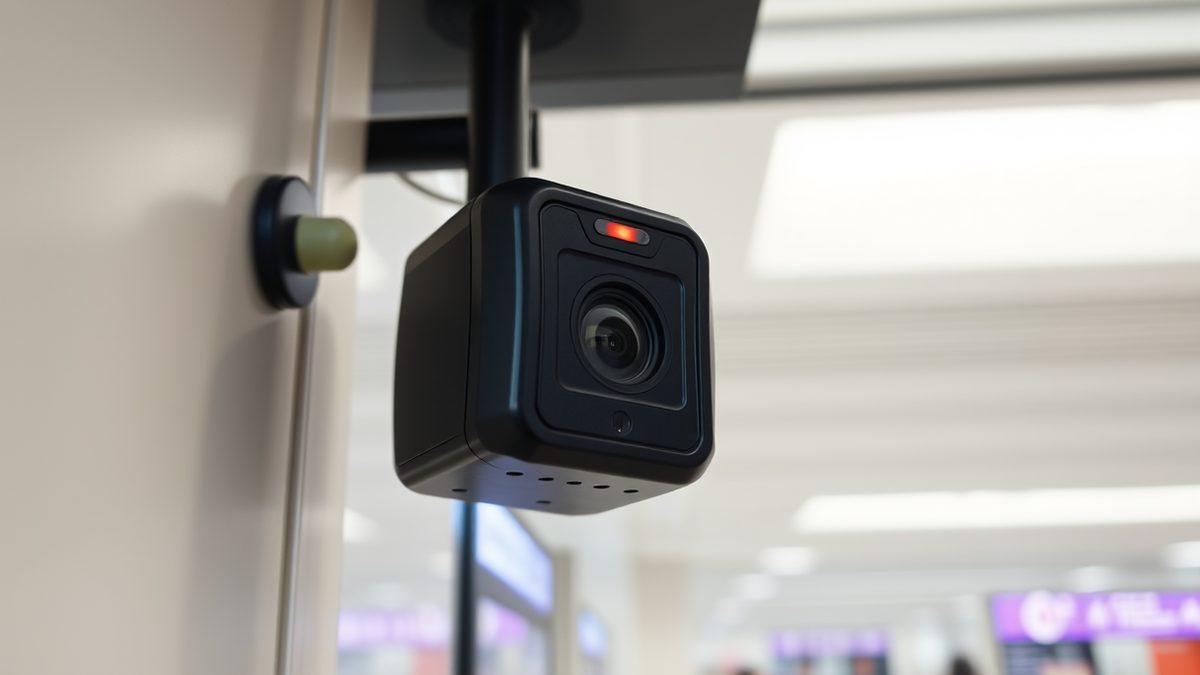
The 90-day trial began on 1 November 2026 and uses SITA technology. It covers Indian citizens with machine-readable e-passports on Air India or IndiGo international flights. Bengaluru is the first Indian airport to test face-based checks on overseas flights. The pilot leaves immigration counters untouched.
Checks run at terminal entry, central security and the departure gate. A passenger confirms identity once, and the credential carries through the process. Digi Yatra already serves more than 26.5 million domestic users, the base the international trial extends from. Passengers must still show physical passports and visas at Bureau of Immigration counters and CISF checkpoints. George Fanthome, chief technical officer at Bangalore International Airport Limited, attributed the launch to a collaboration involving government authorities, Digi Yatra, SITA, IndiGo and Air India.
What a face scan does not replace
For travellers, the trial changes the airport process, not the legal one. Airport authorities say Digi Yatra does not bypass statutory requirements, and immigration and emigration procedures remain separate. IATA's One ID certification covers defined operational scopes and does not let an airline or airport override another country's border rules. A successful identity match cannot replace a visa, entry permission or a government's immigration assessment.
75% want one biometric record for every airport and every trip.
Current programmes remain split among airlines, airport operators and national authorities. Concerns persist: 59% named data breaches as their main worry about biometrics, and 49% worried about information being shared with other organisations. A further 41% said they were unsure how their personal data is used. Storage questions linger too, with 24% not knowing how long their data would be kept and 20% unsure how to have it deleted.
IATA's survey finds biometrics past the halfway mark
58% of passengers used biometric identification at an airport in the past 12 months, IATA's 2026 Global Passenger Survey found. That is up from 50% in 2025 and 34% in 2022. The survey drew more than 10,000 respondents across more than 200 countries. It was published on 28 October. Satisfaction among those who used biometrics reached 87%, against 86% a year earlier. 78% said they would share biometric data to skip passport and boarding pass checks. Biometrics were most commonly used at security screening, where adoption rose from 44% to 48%, and at check-in, up from 29% to 35%.
84% were interested in a digital passport for online check-in. They would use it instead of a physical document.
The barrier is the visa, not the gate
43% of international travellers avoided a destination in the past 12 months because of complex entry rules, up from 33% in 2025. Among those deterred, 53% cited process complexity. Cost and privacy were each named by 17%.
45% would prefer to complete immigration procedures before reaching the airport. That is up from 41%. 86% were likely to share immigration information digitally before departure, up from 83% in 2025.
First certifications, and a 2030 horizon
On 28 October Hong Kong International Airport and Air New Zealand became the first organisations certified under IATA's One ID programme. Hong Kong's operator says more than 93 million passengers have used its Flight Token system since 2021. More than 80% of departing passengers are eligible. They can use Flight Token at key checkpoints.
Nick Careen, IATA's senior vice president for operations, safety and security, said the industry has demonstrated that digital travel credentials work. "But we do need the governments to change their regulations to allow for it," he said. He put meaningful use of digital travel credentials between now and 2030.
Sources
14- 01Bengaluru Airport Trials SITA SmartPath for International Digi Yatra: Biometric Travel Guide 2026EN
- 02Kempegowda International Airport launches Digi Yatra trials for international departures - Planet BiometricsEN
- 03Airport biometrics hit record high as visa complexity deters 43% of international travelersEN
- 04IATA: 58% of Air Passengers Have Used Airport BiometricsEN
- 05IATA 2026 Global Passenger Survey: Biometrics, AI & Border TrendsEN
- 06Digital Passports and Airport Biometrics: What Changed in 2026—and What Travelers Still NeedEN
- 07IATA survey finds growing demand for biometrics as travel barriers persistEN
- 08Feature: Is the touchless airport tied in red tape?EN
- 09Avram Iancu International Airport deploys automated border control system, CAT III landing technologyEN
- 10How Beta Technologies Is Clearing the Runway for Electric FlightEN
- 11Inside Automotive DMS & OMS: Technology, Challenges & Power Solutions EN
- 12EU lawmakers slam new border force powers to surveil social mediaEN
- 13Biometrics and standards bring cross-border digital ID closerEN
- 14TechnoMile Recognized as a 2026 Inc. Power Partner Award WinnerEN
All figures and quotations in this text come from the sources listed below.
Content prepared by the editorial team with AI assistance.
Peter Lindqvist
Comments
0- No comments yet — be the first.