Museum de Fundatie returns Benin bronze plaque to Oba Ewuare II
Museum de Fundatie handed a Benin bronze plaque believed looted in 1897 to Oba Ewuare II at his palace in Benin City on 20 October 2026, after nearly nine decades in a Dutch collection and an ownership transfer in November 2025.
 Naomi FeldmanCulture, food and lifestyle
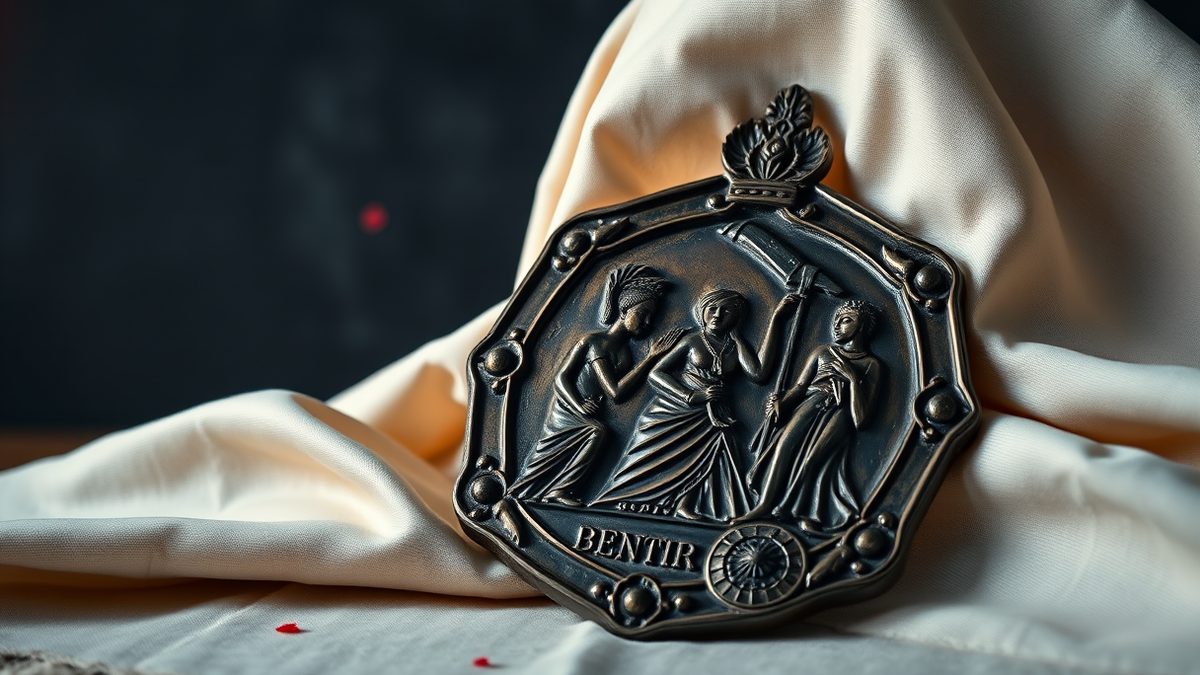
Museum director Beatrice von Bormann handed the plaque to the Oba at the royal palace in Benin City. Frank Keurhorst, the Netherlands' consul general in Nigeria, and Paulo Martins Santos, Portugal's ambassador to Nigeria, attended, along with representatives of the National Commission for Museums and Monuments and other dignitaries, artdaily reported.
Ownership passed to the royal family on 10 November 2025, when von Bormann and Dr Babatunde Adebiyi of the NCMM signed the transfer documents, artdaily reported. The ceremony followed nearly a year later, during the tenth anniversary of the Oba's coronation.
Provenance and exhibition
Museum de Fundatie held the plaque from 1937, when founder Dirk Hannema bought it from Amsterdam art dealer Carel van Lier. Before that it belonged to French art dealer Charles Ratton, artdaily reported. Known in Edo as Ama O Ghe Ehen, the plaque depicts a mudfish, a creature associated with rebirth in Edo culture. Such plaques once decorated the walls of the royal palace.
The museum says the piece was very likely looted in the British assault of 1897, though it has not presented that as established certainty. It restarted provenance research in 2023. It built an exhibition around the return, Back to Benin: New Art, Ancient Heritage, curated by Aude Christel Mgba. The show ran from 21 February to 7 June 2026 in Zwolle, and the plaque was temporarily displayed there on loan before its return.
Custody and MOWAA
Under a 2023 law signed by then-President Muhammadu Buhari, the Oba of Benin is owner and custodian of the artefacts, DW reported. The Museum of West African Art (MOWAA), promoted in 2020 as the future home of the Benin bronzes, focuses on contemporary African art and training conservators and archaeologists. Questions of ownership meant the bronzes would not land in the new museum, DW reported.
The Guardian reported in October 2025 that none of the returned bronzes were on public display at the time. DW later reported that many bronzes were on display at the National Museum in Benin City in an exhibition running from 3 to 28 November 2025.
Wider Dutch returns
The Dutch government has announced its own returns, artdaily reported. In February 2025 it said it would return 113 Benin Bronzes from the Dutch State Collection. By June it announced the return of 119 objects, including works from collections beyond those initially identified.
About 150 bronzes have been returned to Nigeria over the last five years, The Guardian reported, some from private collections and some as acts of state by Germany and the Netherlands.
Sources
7- 01Dutch museum returns Benin bronze plaque to royal palace 129 years after British invasionEN
- 02Restitution row: how Nigeria's new home for the Benin bronzes ended up with clay replicasEN
- 03How is Nigeria's new arts museum tied to the Benin Bronzes?EN
- 04Benin Bronzes restitution debate spotlights Africa's looted heritageEN
- 05Cambridge University museum set to return Benin bronzes to NigeriaEN
- 06Boston Museum Returns Two Stolen Benin Bronzes to NigeriaEN
- 07How is Nigeria's new arts museum tied to the Benin Bronzes?EN
All figures and quotations in this text come from the sources listed below.
Content prepared by the editorial team with AI assistance.
Naomi Feldman
Comments
0- No comments yet — be the first.