The EU threatens tariffs on Chinese hybrids. Who pays to protect factories?
Hybrid imports from China rose from 3,800 units in October 2024 to 50,000 in July 2026, and Brussels is demanding voluntary export limits. Pressure on supply chains is moving into the cheaper end of the market.
 Tom WhitakerOpinion and comment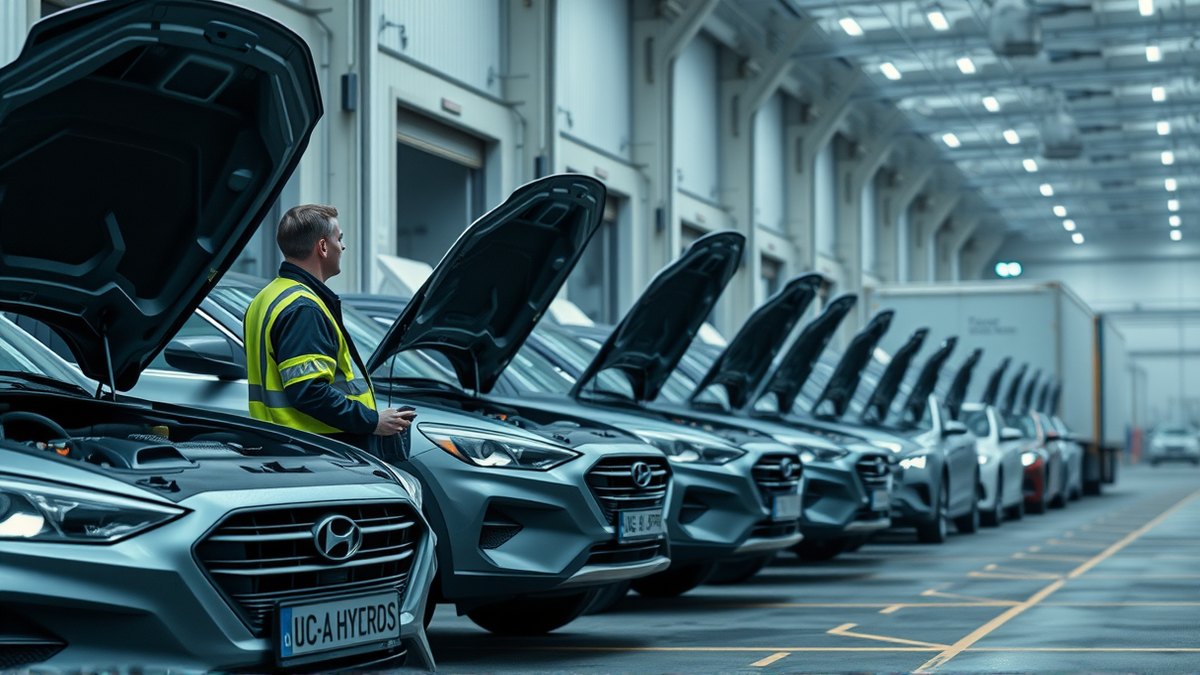
Thesis: tariffs can buy European factories time, but they will not solve deindustrialisation. Chinese manufacturers are localising production anyway, so the real contest is over the terms of that localisation, not the height of the wall.
The European Union has asked China to limit hybrid exports to Europe voluntarily and threatened to raise tariffs if it refuses, the Financial Times reported. Brussels had already applied tariff pressure to Chinese electric cars. Now it is extending that pressure to hybrids, the segment where European producers still feel relatively safe.
The numbers show why. Chinese hybrid imports into the EU rose from 3,800 units in October 2024 to 50,000 in July 2026. That is a thirteenfold increase in under two years, at a pace no European plant can match by raising efficiency alone. Brussels frames the goal as stopping deindustrialisation, and the fight is understandable. But it should be said plainly what it ends in: a higher price for the consumer, which in the cheapest segments hits those with the least money hardest.
At the same time, something is happening that tariffs accelerate rather than halt. BYD plans four European plants: three assembly lines and a battery factory. The company says these capacities are essential in the long term, because sales are growing faster than local production. It wants to pick the second location by the end of the year, preferring the modernisation of existing plants over building from scratch. Spain and France are on the shortlist, with Italy as a fallback. This shows how a tariff works. It does not block entry. It turns exports into investment and moves jobs from a Chinese province to a European region, but the decision about which one is made outside Brussels.
For Poland this is a warning and an opportunity at the same time. A warning, because the fight for a factory is now about tax incentives, access to energy and the speed of permits, not about tariffs. An opportunity, because in the same technological competition, semiconductors, cells, software, Europe defends itself with the slogan Made in EU, and France and Germany argue over the scope of local content rules. The dispute inside the Union matters more here than the dispute with Beijing. Without agreement on what European contribution actually means, every factory will be a set of imported components with a sticker on it.
Tariffs are therefore not bad in themselves. They are an instrument for buying time that is not there. What is bad is pretending they will replace an industrial strategy. If hybrid tariffs do not come with investment in the battery and semiconductor supply chain, protecting jobs will turn into subsidising the price of a brand that will leave the market in a few years anyway.
Sources
3- 01EU seeks voluntary curbs on Chinese hybrid exports as tariff pressure widensEN
- 02BYD needs 3 assembly plants, 1 battery factory in Europe long-termEN
- 03Trump i Xi o AI, szansa dla polskich półprzewodników, spór Francji z NiemcamiPL
All figures and quotations in this text come from the sources listed below.
Content prepared by the editorial team with AI assistance.
Tom Whitaker
Comments
0- No comments yet — be the first.