FCC grants Amazon Leo limited waiver of 50 percent satellite deadline
The FCC on June 5 granted Amazon Leo a limited waiver of its requirement to have half its broadband constellation in orbit by July 30, 2026, sparing the company a cap on its authorized fleet but costing it spectrum priority.
 Grace OkonkwoAI, models and technology
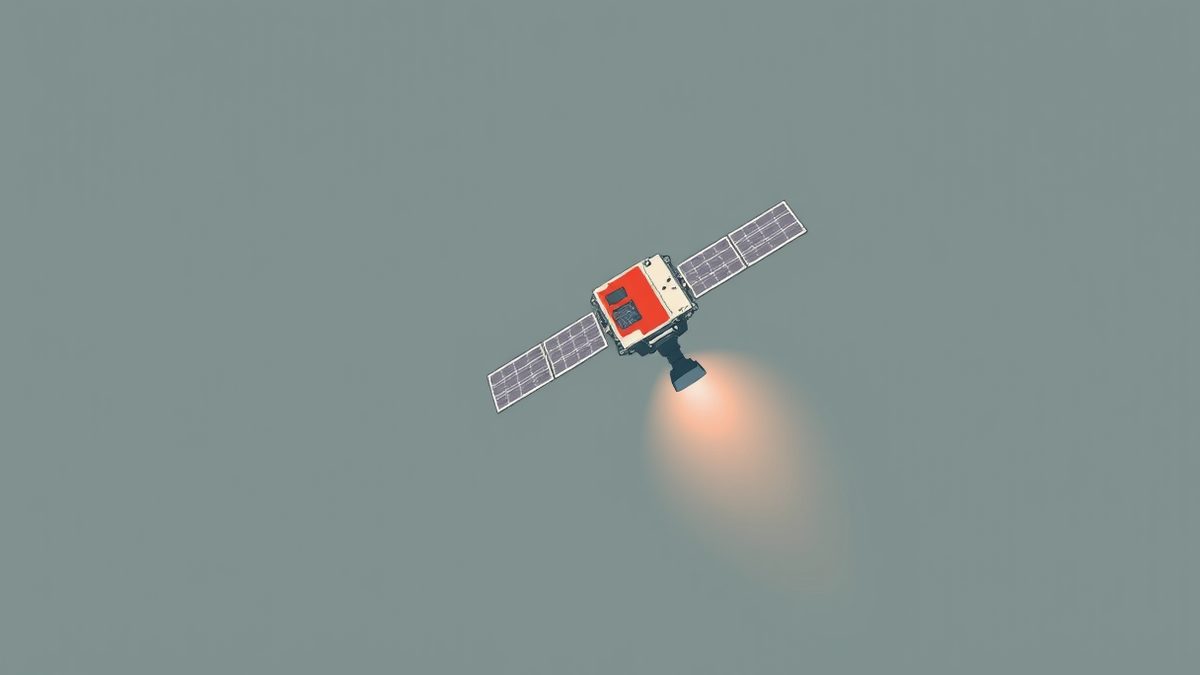
What the waiver does
Without the waiver, Amazon's authorized fleet would have been capped at the number of satellites in orbit and operating on July 30, 2026. The FCC's milestone rules are designed to prevent spectrum warehousing, where a licensee sits on a license without using it, SatNews reported. The June 5 order grants a limited waiver, not the 24-month extension or complete waiver Amazon requested in its January 30 filing. Satellites that are not deployed and operational by July 30, 2026 lose their priority status in the 2020 Ku/Ka-band and 2021 V-band processing rounds and are reassigned to a later tier, the FCC said. Priority status governs a company's legal right to transmit in a specific orbital slot or frequency block. Amazon will forfeit the surety bond it agreed to post as a condition of its authorization; the amount was not disclosed.
The order leaves the final deadline for the full constellation in place. The Register put that date at July 30, 2029. SatNews reported that Amazon expects to complete all 3,232 satellites by mid-2029. A February Broadband Breakfast report had cited July 30, 2028. Under the FCC's normal rule, a missed interim milestone caps a licensee's authorized satellites at the number in orbit and operating on that date. That cap still applies if Amazon misses the final deadline. Amazon won FCC approval for the constellation in 2020 and rebranded it from Kuiper in November.
Why Amazon said it was late
Amazon blamed a "near-term shortage of available rockets," according to its request. It had booked more than 100 missions and invested more than $10 billion, but completed seven of more than 20 launches planned for 2025, SatNews reported. Its Kirkland, Washington, factory can build 30 satellites a week, leaving hardware waiting on the ground as Vulcan, Ariane 6 and New Glenn fell behind schedule. Amazon also told the FCC that unexpected re-engineering after its 2023 prototype delayed mass manufacturing by nine months, and that weather, technical problems and prioritization of government launches caused further delays.
At filing, Amazon had 180 satellites in orbit and projected about 700 by July 30, 2026, short of the roughly 1,618 needed to meet the 50 percent milestone for its first-generation system, according to SatNews. The Register put the required figure at 1,616. Broadband Breakfast reported in February that only 11 percent of the originally approved 3,232 satellites had been deployed. Amazon added 10 Falcon 9 and 12 New Glenn missions to its manifest in January to accelerate the pace.
Competitive context
Amazon argued that strict enforcement could halt the only viable near-term competitor to SpaceX's Starlink in the U.S. Starlink listed more than 9,000 active low-Earth-orbit satellites on its website in February, when Amazon had about 200 in orbit after a February 12 launch from Kourou, French Guiana, Broadband Breakfast reported. SpaceX filed comments opposing the waiver. The FCC said a number of parties filed comments, many supporting the extension or waiver.
What happens next
Satellites deployed after July 30, 2026 lose priority access to the Ka/Ku spectrum until 20 months pass, on March 30, 2028, or until Amazon deploys and operates 50 percent of its constellation, whichever comes first, the FCC said. Amazon gave the FCC detailed schedules of future launches and information on its financial and operational investments, according to The Register. The FCC can waive its rules for good cause, which it said it generally does only when the move serves the public interest.
Sources
33- 01Amazon Leo's satellite homework is late, but FCC won't flunk it just yetEN
- 02Amazon Leo seeks 24-month extension from FCC due to launch shortagesEN
- 03Amazon Gets FCC Approval to More Than Double Its LEO FleetEN
- 04Telecom news: MEO, Eutelsat OneWeb LEO, Banglalink, SpaceX, Starlink, Amazon KuiperEN
- 05You know the launch market is tough when satellite companies start building rocketsEN
- 06Project Kuiper: Amazon set to launch 3,000 satellites to offer broadband to “tens of millions” of peopleEN
- 07 On this day in space! Nov. 4, 2015: A rail-launched Super Strypi rocket carrying 13 baby satellites failed during its debut launch for the US Air Force EN
- 08Meta launches Muse Ember, a small AI model built for the repetitive work agents actually doEN
- 09Anthropic launches Claude Fable 5.2 and Mythos 5.2, and cuts Fable’s priceEN
- 10 NASA just launched a $1 million Moon Base Student Challenge to award cash prizes to students that solve lunar base problems EN
- 11Amateurfunker bringen einen Satelliten dazu, Doom zu spielen: Was das Experiment zeigen sollEN
- 12Tesla launches Robotaxi in San Antonio with a 274 sq mi geofence on paperEN
- 13Amazon's Astro home robot has fans but looks destined for the 'trash heap.' Why it's trying againEN
- 14 Yes, it runs 'Doom': Satellite plays iconic game in world's 1st demonstration of orbital voice control EN
- 15Nach „Astro“: Amazon plant wohl neuen Anlauf für HeimroboterEN
- 16 AST SpaceMobile announces new 'Blacklift' rocket, targets 2028 launch debut EN
- 17Launch Preview: Falcon 9 to launch USSF missions, China to launch internet satellitesEN
- 18Solarwatt launches bifacial TOPCon solar module for BIPV applicationsEN
- 19Scientists discover stunning new Amazon fish that may already be endangeredEN
- 20 On this day in space! Nov. 8, 2005: Europe launches Venus Express, its first mission to Venus EN
- 21Trump’s drug pricing deals force tough choices on launchesEN
- 22Q.ANT and IONOS Launch Photonic Computing PilotEN
- 23Digital Realty launches liquid cooling lab in São Paulo, BrazilEN
- 24CCIA Report Highlights Satellite Connectivity’s Potential to Expand Internet Access and Drive Economic GrowthEN
- 25AST SpaceMobile Will Build Blacklift, a Reusable Rocket for Its BlueBird Satellites - Technology OrgEN
- 26AWS Launches TorchNeuron to Run PyTorch Models on AWS Trainium Without ModificationsEN
- 27Tesla Hasn’t Had A Successful New Product Launch Since JB Straubel Stepped Down As CTOEN
- 28 On this day in space! Nov. 7, 1992: NASA launches Mars Global Surveyor, its 1st Mars mission in 20 years at the time, to map the Red Planet like never before EN
- 29Amazon set to deploy more than 3,000 TATA electric delivery trucksEN
- 30 SpaceX launches mystery mission for US Space Force in gorgeous sunset liftoff from California (video, photos) EN
- 31BYD is launching this 5-seat luxury electric SUV next week with over 1,000 km of rangeEN
- 32After blocking Muse, Amazon now lets users text Alexa to help them shopEN
- 33E-quipment highlight: Jungheinrich launches new forklift for Asian marketsEN
All figures and quotations in this text come from the sources listed below.
Content prepared by the editorial team with AI assistance.
Grace Okonkwo
Comments
0- No comments yet — be the first.