Vendors sell AI consent controls as state and national rules fragment
Quick Heal launched Seqrite NOVA Data Privacy, an AI-powered product that packages India's data protection compliance for small offices, SMBs and mid-enterprises into three tiers.
 Rachel NwosuAI, models and technology
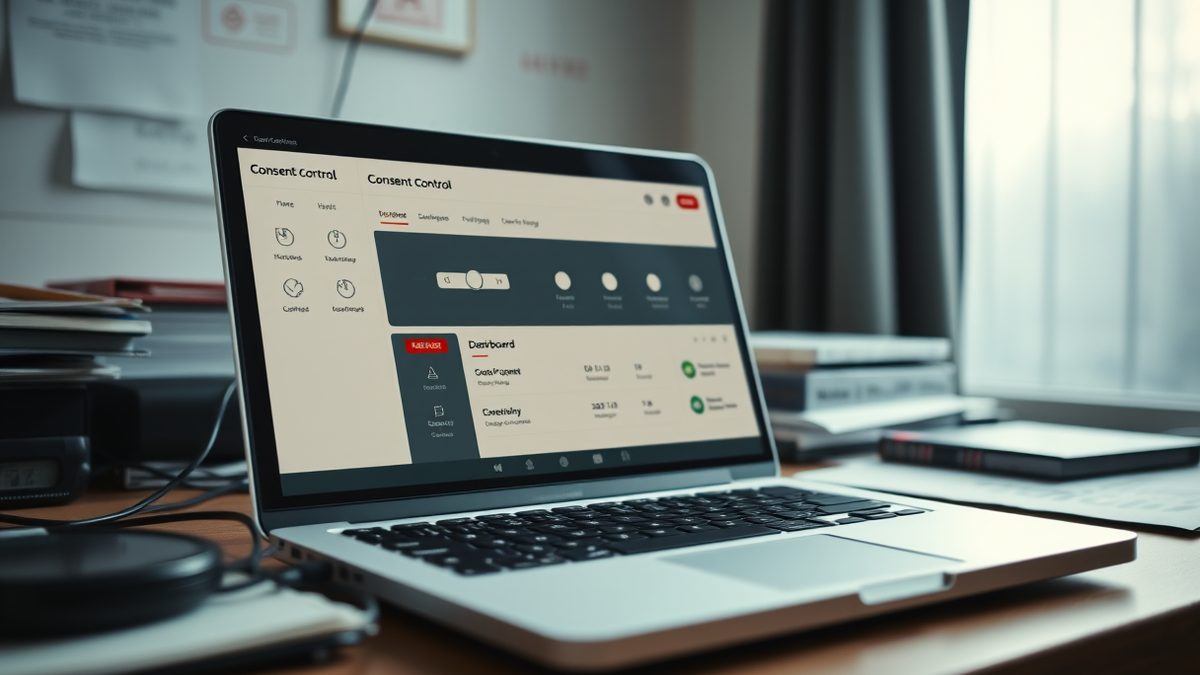
Vendors are now selling regulatory compliance as a software feature.
For buyers, the pitch shifts due diligence onto the product demo. A consent screen is not the same as a control that stops the AI from working. An audit log helps only if it covers every channel an agent touches. None of the three companies published pricing. What these modules cost remains unclear.
Vendors put consent controls inside AI products
Fusemachines announced on 29 October that it had rolled out an AI Usage Consent Module in HireFoundry.ai. The module targets employers hiring across all 50 U.S. states. The mechanism is specific. The company said that if a candidate declines consent, the interview continues with the recruiter. It said Interview Agent does not join, listen, transcribe or analyze the call. Fusemachines argues no single consent standard fits every hiring use case. Sierra introduced Compliance Console. It governs agents built on the company's Horizon platform. The console sets disclosures, contact windows, holiday exclusions, frequency limits and opt-out handling across channels, states and countries.
In most locales the acceptable window runs from 8AM to 9PM. Quick Heal's Seqrite NOVA applies the same packaging to privacy: AI discovery, classification of personal data, consent and notice workflows.
Fusemachines frames the control as the point. "Enterprises should be able to focus on finding the right talent without having to build a separate AI consent process for every state where they hire," Giovanni Lemus said. He is vice president of product at the company.
The patchwork is the sales pitch
The fragmentation the vendors point to is real. The EU adopted the AI Act in 2024, and it sets risk-based rules. The U.S. has no federal unified AI law. California enacted SB 53 in September 2025. The FRONTIER bill was introduced in July 2026. NIST's AI risk management framework is voluntary. OMB safety requirements bind federal agencies rather than private employers. India's calendar is tighter. India notified the DPDP Rules in November 2025. Key provisions take effect in stages through May 2027. An EY survey published in January found more than 83% of organizations had not begun implementing the requirements.
Litigation opens another front. Putative class actions filed in October 2026 in the Northern District of Illinois target Grok, xAI's generative platform. The complaints allege it processed uploaded photographs without the disclosures and written releases BIPA requires. BIPA dates from 2008.
Market math and product tiers
The spending behind these launches is large. The global compliance software market stood at $35.82 billion in 2025.
A ResearchAndMarkets report projects $78.85 billion by 2033, a 10.5% compound annual growth rate from 2026 to 2033. Regulations such as GDPR, CSRD and DORA require continuous monitoring and timely reporting, the report says. Seqrite NOVA comes in three tiers: Lite, Essentials and Professional. Quick Heal says customers can get started in days with minimal manual intervention and limited reliance on specialist IT skills.
What buyers should check
Responsibility does not transfer with the software. Fusemachines says recruiters choose what to ask and remain responsible for candidate assessments and hiring decisions.
Audit trails are the second question. Sierra's dashboards show how many outbound calls and messages it allowed, deferred, blocked or held for review, along with opt-outs. Seqrite NOVA translates consent experiences, privacy notices and cookie preference menus into 22 officially recognized Indian languages, with human-in-the-loop review.
The legal test is unsettled. In the BIPA litigation, a central legal and technical question remains. It is whether the technology actually performs biometric processing within the meaning of the law.
What happens next
India's staged deadline is the nearest fixed date. Key DPDP provisions take effect through May 2027. U.S. rules stay open. California enacted SB 53 in September 2025. The FRONTIER bill was introduced in July 2026. No federal unification is in sight.
Sources
10- 01Fusemachines Rolls Out Compliance Features in HireFoundry.ai to Help Enterprises Navigate Evolving U.S. State AI Hiring LawsEN
- 02Quick Heal Launches AI-Powered Seqrite NOVA to Simplify DPDP Compliance for SMBsEN
- 03Global Compliance Software Market Size, Share, Trends, and Forecast, 2026-2033EN
- 04Enterprises reshaping commitment management strategies in the age of AIEN
- 05The Real Reason Why AI Regulation Varies Between Japan, the US, and EuropeEN
- 06Client Alert: When AI-Generated Images Trigger Biometric Privacy RisksEN
- 07Introducing Compliance Console - Sierra AI AgentsEN
- 08HR Tech, Compliance Take Center Stage Ahead of Workweek Reform - Mexico Business NewsEN
- 09Google Warns LLMjacking Attacks Are Costing Some Enterprises Up to $1 Million in Cloud ChargesEN
- 10From synthetic enterprise data evaluations to real Microsoft Copilot AI confidenceEN
All figures and quotations in this text come from the sources listed below.
Content prepared by the editorial team with AI assistance.
Rachel Nwosu
Comments
0- No comments yet — be the first.