Gold bear ornament found in looted Saka mound in Almaty
Archaeologists have found a seven-to-eight-gram cast-gold bear ornament during emergency excavations of a looted Saka mound at Almaty's Karagaily burial ground; similar ornaments exist in Kazakhstan, but none depicting a bear.
 Sofia MarchettiScience and health
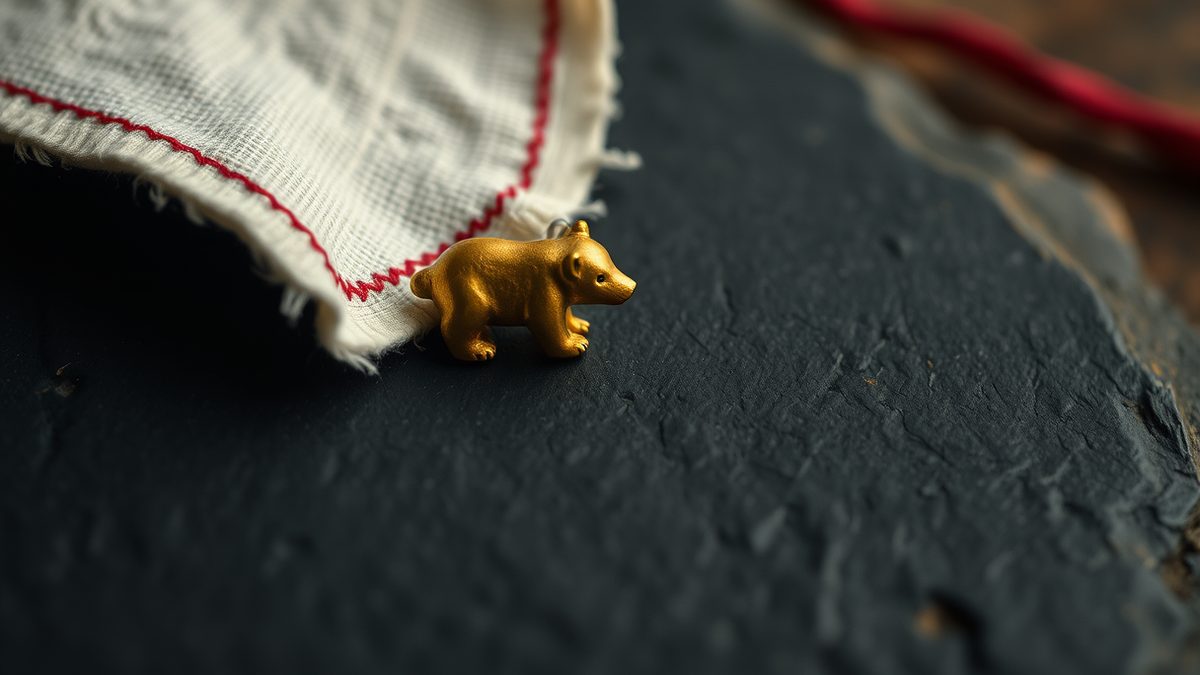
A bear the looters left behind
Archaeologists found a small cast-gold figurine believed to depict a bear during emergency excavations at the Karagaily burial ground in Almaty's Nauryzbay district. The Almaty Museum Association ran the dig with support from the city administration. The mound sits inside an active cemetery and had been plundered in antiquity, leaving a looters' pit about three metres deep. Lyazzat Sagyndykova, director of the museum association, told Kazinform that the bear lay below the pit. The figurine weighs seven to eight grams. The plate carries the animal-style design characteristic of the Saka period.
The Almaty city administration said the ornament is believed to have decorated a headdress. Holes in the plate suggest it may have been sewn onto the headwear, though the proposed function remains preliminary.
Why the bear is treated as unique
Sagyndykova said the sculptural bear figurine is unique to Kazakhstan and that no similar find had been made there before. She said the piece makes it possible to trace cultural parallels across Eurasia, from the Black Sea region to the Altai. The museum association cites a gold finial shaped like an argali found on the headdress of the Golden Man as a comparison. Sagyndykova said the last time similar artefacts were found was in 2014 at Kok-Kainar, where excavations produced ornaments depicting a snow leopard and a bird of prey. A small leopard figurine from that site is also believed to have been a headdress ornament.
Similar ornaments have been found in Kazakhstan before, but 24.kz reported that archaeologists had never encountered one depicting a bear.
Animal figures were common decoration on Saka ceremonial dress. The Saka were communities across the Central Asian steppes in the first millennium BCE, known for gold craftsmanship, animal depictions and large tombs.
A burial count that is not yet final
Researchers believe four adults and three children may have been buried in the mound, though the exact number has not been established.
Marat Nurpeisov, a senior researcher at the association, said the unusually large number of remains is of particular interest because such collective burials are uncommon in Kazakhstan. Mounds of comparable size were generally intended for one or two people, he said. This one measures 25 to 26 metres in diameter and about 2.5 metres high. Preliminary dating places it in the 4th to 3rd centuries BCE, in the Saka period of the Early Iron Age, roughly 2,300 years ago. Fragments of Saka pottery lay among the scattered remains.
Nurpeisov said anthropological studies will help determine whether the deaths resulted from a tragedy, a massacre or an attack by enemies. The remains include adult female bones and children's bones, 24.kz reported. Researchers have not yet established whether the burials took place at the same time or at different times.
What happens next
Sagyndykova said all the finds have been sent for study, where each object is cleaned, preserved, dated and compared with similar pieces before it can be shown. Further analyses involving anthropologists are planned to establish the exact number of individuals and clarify the circumstances of the burial. Once research and scientific processing are complete, the most valuable artefacts are expected to join the Almaty Museum's exhibition and go on public display.
Sources
13- 01Archaeologists discover rare gold bear ornament in ancient Saka burial mound in KazakhstanEN
- 02Rare Saka-Era Gold Bear Ornament Discovered in Kazakhstan's AlmatyEN
- 03Ancient Thieves Missed This Gold Bear in a Burial Mound That May Hold 7 PeopleEN
- 04Saka Gold Ornament Discovered in AlmatyEN
- 05Rare Saka-era gold bear figurine unearthed at archaeological site in AlmatyEN
- 06A Gold Bear Emerges from a Looted 2,300-Year-Old TombEN
- 07Unique archaeological find discovered in Almaty burial moundEN
- 08Goldman CEO Solomon says AI financing remains strong despite market jittersEN
- 09New Democratic Congress will likely strip the gilding from Trump's Golden DomeEN
- 10Kazakhstan Offers Tajikistan Cooperation, Not a Substitute for RussiaEN
- 11Kazakh sailor leaves tanker detained in India and departs country, ministry says - Kazakhstan TodayEN
- 12Tokenised gold bar to advance Hong Kong’s ambitions as digital, metal trading hubEN
- 13US or China? Why Kazakhstan refuses to pick sides as it eyes AI revolutionEN
All figures and quotations in this text come from the sources listed below.
Content prepared by the editorial team with AI assistance.
Sofia Marchetti
Comments
0- No comments yet — be the first.