SuperAgers' brains hold at least twice as many young neurons as other older adults
SuperAgers have at least twice as many young neurons in their hippocampus as cognitively normal older adults, a Nature study released on 25 February found [1][3]. The University of Illinois Chicago and Northwestern University released the study [1][3].
 Sofia MarchettiScience and health
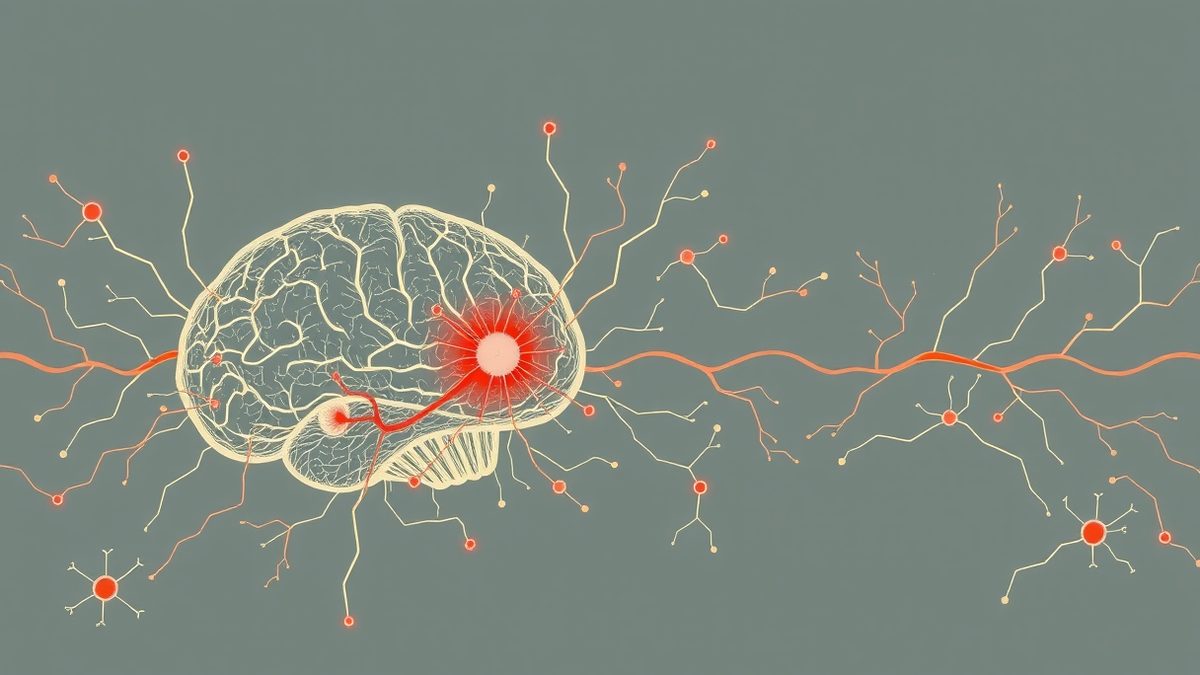
The finding rests on donated tissue [3][7]. Researchers examined 38 brains in five groups and nearly 356,000 individual cell nuclei with multi-omic single-cell sequencing [3][7].
The paper reports a molecular profile, not only a cell count. Orly Lazarov, the senior author at the University of Illinois Chicago, said the group would first need to validate the molecular networks it observed [2]. Only then would it attempt a therapy that enhances neurogenesis, she told Medical News Today [2]. Nothing in the study changes what doctors tell patients today about exercise, sleep and diet, and the paper does not show that more young neurons cause better memory. Six of the 38 donors were SuperAgers, which limits how far the causal claim can run [7].
SuperAgers are adults 80 and older [3]. Their memory performance rivals that of people two to three decades younger [3].
What the researchers counted
The team compared five groups: healthy young adults, healthy older adults, adults with mild or early dementia, adults with Alzheimer's disease, and SuperAgers [2]. The differences went beyond cell counts. In the SuperAger hippocampus, the structure that handles learning and memory, researchers found a higher proportion of neuroblasts and immature neurons than in the other groups [7]. Astrocytes and CA1 neurons in those brains kept genes for neuronal function and survival switched on, while the same genes were off in the Alzheimer's brains [3][7].
Lazarov was careful about what drove the result. "It wasn't just the number, it was mainly the unique molecular profile of these cells," she told Medical News Today [2].
What the study cannot show
The design has a limit. The tissue was collected at a single point in time, so the study cannot separate cause from effect [3]. It does not show whether extra neurogenesis preserved cognition or whether some other factor sustained both [3]. Dung Trinh, an internist at MemorialCare Medical Group, told Men's Health that six SuperAger brains make that direction hard to pin down [7]. National Geographic reported that the Nature paper was the second study in about a year to support adult neurogenesis, and that not all experts are convinced [4].
The dispute is decades old. A 2014 paper that measured carbon-14 left by atmospheric bomb tests in postmortem brain tissue convinced some researchers that adult humans make new neurons; others remain unconvinced [4].
Eva Feldman of the University of Michigan spoke to National Geographic [4]. She said the study "at least associates a person over 80 who has an exceptional memory with all these immature neurons" [4].
How rare SuperAgers are
Some studies estimate that less than 5 percent of the population qualifies [5]. The bar is memory performance matching people 20 to 30 years younger, in adults aged 80 and over [3][5]. CNN reported that SuperAgers' brains contained more newly developed neurons than those of adults in their 30s and 40s [1].
Northwestern has run a SuperAging program for 25 years [1][3]. Recruits are screened with memory recall tests [1][3]. CNN put the gap at 2.5 times as many young neurons as people with Alzheimer's disease [1]. Fox News, covering the same release, reported at least twice as many compared with both cognitively normal older adults and people with Alzheimer's pathology [3]. To qualify, a person must be older than 80 and undergo extensive cognitive testing that probes the limits of recall, Emily Rogalski of the University of Chicago told CNN [1].
What comes next
Lazarov said her group would first try to validate the molecular networks functionally, then attempt a therapy that enhances neurogenesis [2]. For now the advice for patients is the familiar list. Richard Isaacson of the Institute for Neurodegenerative Diseases in Florida told CNN that diet, exercise, stress reduction, sleep and vascular risk management can grow brain areas including the hippocampus [1].
Isaacson added that medical school never taught him brain cells could grow [1]. He said serial MRI scans in people making brain-healthy choices now show it [1].
Megan Glenn is a clinical neuropsychologist at Hackensack Meridian [2]. She told Medical News Today the study "suggests there are natural, protective mechanisms that we can learn from and potentially harness" [2].
Sources
21- 01'SuperAgers': Scientists discover a key to staying mentally sharp in old age - CNNEN
- 02What makes SuperAgers' brains so special? - Medical News TodayEN
- 03Some 80-year-olds still have razor-sharp brains — and now scientists know why - Fox NewsEN
- 04Can you grow new brain cells? The debate could reveal the secret of superagers. - National GeographicEN
- 05'Superager' Brains Defy Cognitive Decline. We Finally Know Their Secret. - ScienceAlertEN
- 06New Evidence Shows How Some Brains Age in Reverse - Men's HealthEN
- 07'Superagers' reveal how to stay sharp as you get older - CBCEN
- 08Today’s AI won’t achieve superintelligence. But catastrophic risk is real | Sunita VermaEN
- 09The Optical Superhighway For AIEN
- 10Oklahoma State Expands Regional Research Computing with Cimarron SupercomputerEN
- 11France blames Iranian hackers for supermarket attacks that sparked firesEN
- 12 On this day in space! Nov. 6, 1572: A German astronomer discovers the Tycho supernova with the naked eye, but everyone thought the cosmic explosion was a 'new EN
- 13EVgo opens its first Tesla Superchargers, with hundreds more plannedEN
- 14SuperAger AI Connectome Predicts Alzheimer’s Years Early - Neuroscience NewsEN
- 152026 WTA Finals: Can US relocation deliver the ‘Super Bowl of tennis’ after Saudi exit?EN
- 16Don't miss: Meteor showers, fireballs, and a supermoon light up November's night skyEN
- 17You Need A New Car? Go Electric! It’s Superior Technology. Part 2EN
- 18You Need A New Car? Go Electric! It’s Superior Technology! Part 1EN
- 19Por qué la segunda oleada de ‘hackeos’ a las neveras en supermercados avisa de los riesgos que vienenEN
- 20Supermicro Super AI Station Review: The AI Server That Doubles as a WorkstationEN
- 21DeepSeek unveils AI ‘super agent’ in coding race with OpenAI, AnthropicEN
All figures and quotations in this text come from the sources listed below.
Content prepared by the editorial team with AI assistance.
Sofia Marchetti
Comments
0- No comments yet — be the first.