From 19 July 2026 large companies may not destroy unsold clothing
The ESPR regulation has applied directly across the European Union since 18 July 2024, and from 19 July 2026 large companies may not burn or shred unsold garments. Poland still has no law setting out penalties.
 Naomi FeldmanCulture, food and lifestyle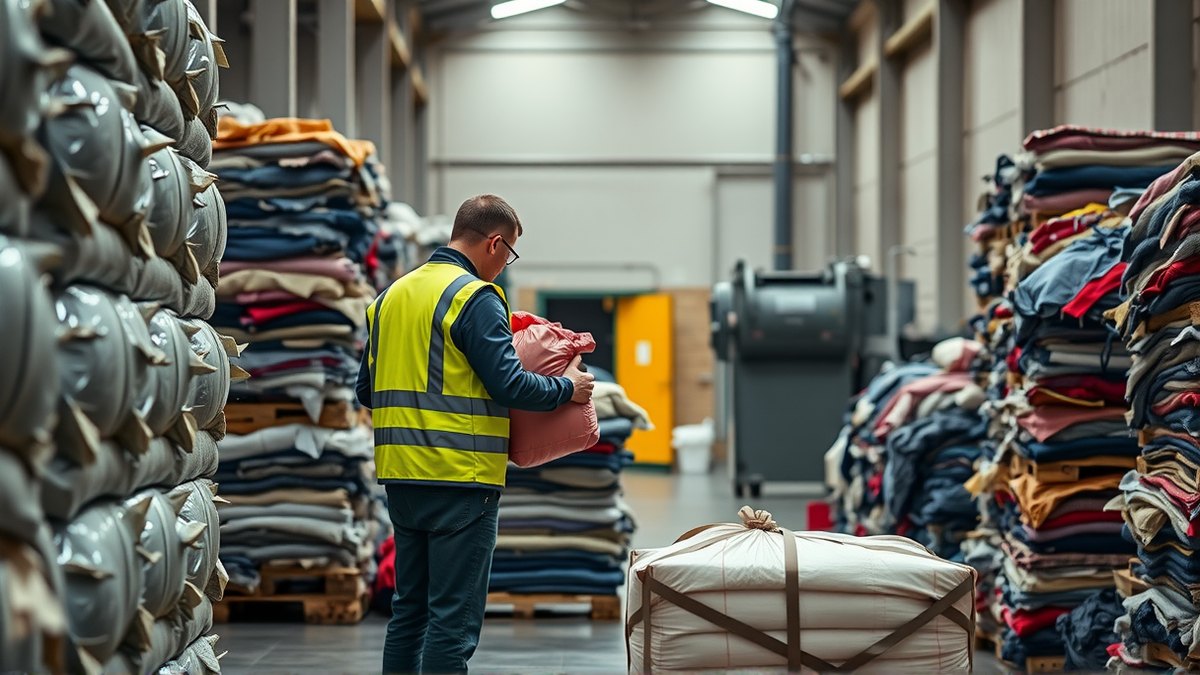
Regulation (EU) 2024/1781, the ecodesign regulation for sustainable products known as ESPR, has applied directly in every member state since 18 July 2024. It does not need a separate national law to take effect. The ban on destroying unsold clothing and footwear applies to large companies from 19 July 2026. According to 300Gospodarka, an estimated 4 to 9 percent of all textiles placed on the EU market are destroyed before they are ever sold. The new rules force brands to plan collections closer to real demand. "The key to limiting overproduction is greater flexibility in planning collections and matching them to real demand," says Elżbieta Rogowska, board member of the Koalicja Bezpieczni w Pracy association and vice-president of the company PW Krystian.
Reporting and exemptions
The obligations do not end with the ban. Companies must report the number of garments disposed of and the reasons for disposal. From 2 March 2027 they must also follow detailed reporting rules and keep documentation for five years. At the same time, from 19 July 2026 a delegated regulation setting out exemptions to the ban takes effect, covering among other things hazardous products and counterfeits. The Ministry of Development and Technology stresses that the absence of national rules does not suspend the EU obligation. The problem is that the Polish legislature has not yet prepared a law specifying penalties. As Bartosz Piątek, attorney-at-law and Counsel at PwC Legal, points out, without national enforcement tools the new rules remain theoretical.
What changes in practice
For brands this means the end of the simplest way of handling surplus stock. In place of disposal come alternative channels: outlet sales, donations to charities, remaking into new products and material recycling. That in turn increases demand for shredding and fibre-processing technology, which remains a bottleneck in Europe.
Sources
3- 01Branża odzieżowa czeka na jasne wytyczne. Nowe unijne zasady już obowiązują (Business Insider Polska)PL
- 02Regulation (EU) 2024/1781 on ecodesign for sustainable products (EUR-Lex)EN
- 03Nowe prawo UE uderza w nadprodukcję odzieży. Koniec z paleniem ubrań (300Gospodarka)PL
All figures and quotations in this text come from the sources listed below.
Content prepared by the editorial team with AI assistance.
Naomi Feldman
Comments
0- No comments yet — be the first.