Kazatomprom reiterates 2026 uranium production and sales guidance
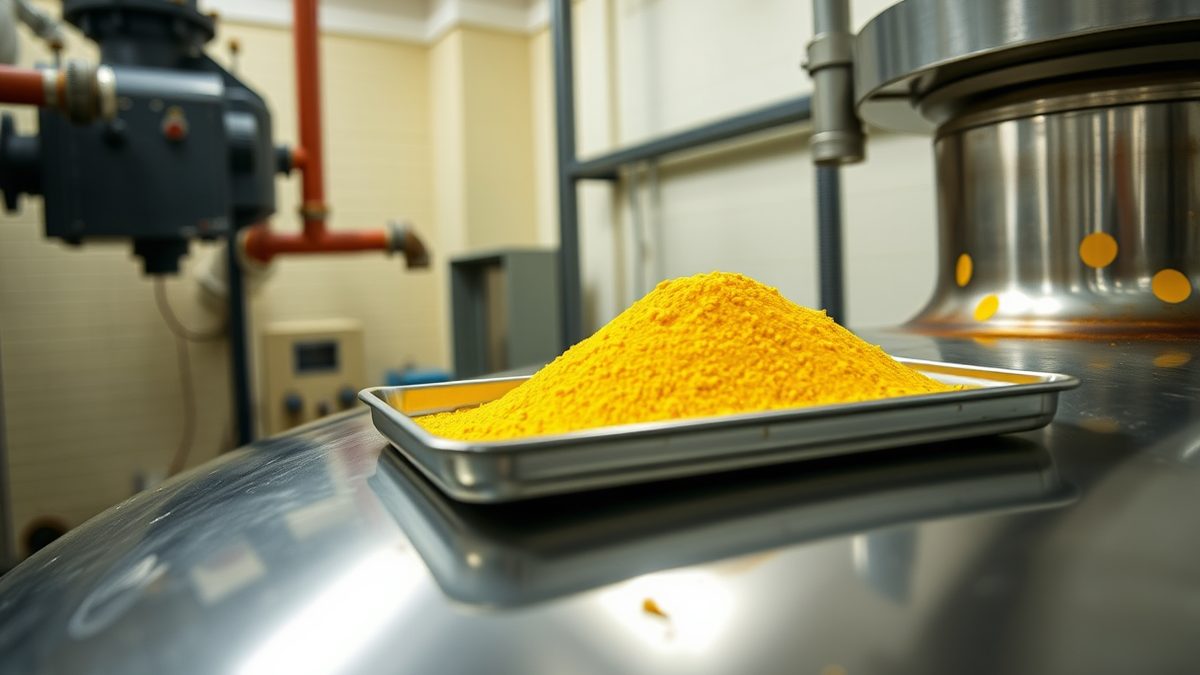
Kazatomprom reiterated 2026 production guidance of 27,500 to 29,000 tonnes and sales guidance of 19,500 to 20,500 tonnes on 3 August, as first-half output rose 9% and costs climbed.
 Dr. Amara PatelEconomy, business and world
Guidance held
Kazatomprom kept 2026 production guidance at 27,500 to 29,000 tonnes on a 100% basis and group sales guidance at 19,500 to 20,500 tonnes, the company said in its second-quarter operations and trading update. The production range is unchanged from the one it set previously, and sales volumes can vary substantially each quarter, it said.
First-half output on a 100% basis was 13,291 tonnes, up 9% from 12,242 tonnes a year earlier. Group sales were 7,586 tonnes, broadly in line with the first half of 2025, and the average realized price rose 16% to $67.88 a pound.
Revenue rose 9% to KZT 717.8 billion, while net profit fell 9% to KZT 240.4 billion, held back by a stronger tenge and higher finance costs. Consolidated inventory exceeded 8,200 tonnes, up 23% year on year.
Second-quarter output ran about 4% to 5% above its internal expectations, but the company kept the full-year range, Crux Investor reported.
Market backdrop
Kazatomprom is the world's largest uranium producer and its attributable output was about 20% of global primary production in 2025, while Kazakhstan supplied around 40%, the company said. Chief executive Meirzhan Yussupov has described the company's approach as "value over volume", saying it does not want to flood the market with cheap uranium.
Long-term uranium price indicators have reached their highest levels in 18 years, Kazatomprom said, as utilities put more weight on security of supply. TradeTech's long-term indicator was $97 a pound in August against spot near $88, a premium of about $9, Crux Investor reported. Term contracts lock utility deliveries five to ten years out, so that premium feeds into the prices producers expect to realize on future volume.
Cameco's 2026 realized-price guidance is $91 to $96 a pound, according to its August 5 earnings release.
Costs and the TQZ delay
C1 cash costs rose 37% year on year and all-in sustaining costs 25% in dollar terms in the first half, Kazatomprom said on its second-quarter earnings call. Sulphuric acid costs jumped 39%, while a higher mineral extraction tax and a stronger tenge also weighed on costs.
The company raised its capital expenditure guidance to secure long-term capacity and lowered its full-year revenue outlook in tenge terms, mainly because the tenge strengthened against the dollar.
Kazatomprom delayed commissioning of its TQZ sulphuric acid plant by 6 to 12 months after construction was halted to recover potential palaeontological specimens. It said it expected no material impact on mining and will adjust 2027 production guidance as needed.
Acid supply from Russia
Russia's Resolution No. 1158, dated 12 September 2026, revised the approval process for sulphuric acid exports without banning them, requiring individual approvals until 31 December 2026. Kazatomprom said its Russian suppliers had confirmed they would meet 2026 delivery obligations and that it expected no material impact on this year's guidance. It is submitting documentation to Russian authorities and negotiating 2027 supply contracts.
Sulphuric acid is used in in-situ recovery across all 14 of its mining operations, which cover 27 deposits.
Resource base
Kazatomprom said it had secured a six-year exploration licence for the Kyzyltu block in the Kyzylorda region, with preliminary estimates of about 10,000 tonnes of uranium. Exploration is under way across six areas in Kazakhstan, the company said.
Sources
20- 01Kazatomprom 3Q26 Operations and Trading UpdateEN
- 02Uranium Investing: Why Miners Fall While the Metal Holds FirmEN
- 03Mid-year updates from major uranium producersEN
- 04How Rising Nuclear Demand Is Reshaping the Global Uranium MarketEN
- 05Kazatomprom Delivers Solid First-Half Results Amid Regulatory Shifts and Project DelayEN
- 06Kazatomprom Earnings Call: Growth Meets Cost HeadwindsEN
- 07Kazatomprom (KAP) Obtains Kyzyltu Uranium Exploration Licence and Affirms Stability of Russian Sulphuric Acid Supply for 2026EN
- 08Uranium's $9 Term Premium Signals a Deficit: Multi-Year Shift or Temporary Squeeze?EN
- 09Kazatomprom plans uranium supply deals with China and RussiaEN
- 10Kazatomprom (LSE:KAP) Stock Sees Fair Value Cut As Analysts Split On Uranium OutlookEN
- 11Kazatomprom CEO Meirzhan Yussupov on uranium markets, China and nuclear growthEN
- 12Robot integration brings high-precision production to midmarket manufacturersEN
- 13Human bodies produce 2 billion metric tons of CO2 a year just by staying aliveEN
- 14Portable solar-powered system produces 1.64 liters of drinking water in 8 hoursEN
- 15Tesla hikes Cybertruck prices up to 10% after announcing it will kill productionEN
- 16BYD’s electric hypercar hits 312 mph, first production car over 500 km/hEN
- 17Tesla to end Cybertruck production as sales stall at ~10% of planEN
- 18Claimlane bags €5.6M to turn product claims into business valueEN
- 19Ericsson moves mmWave radio production from US to EstoniaEN
- 20Astranis Upgrades Falcon 9 Launch Contract to Dedicated Mission for Entire Block 4 Production Run of SatellitesEN
All figures and quotations in this text come from the sources listed below.
Content prepared by the editorial team with AI assistance.
Dr. Amara Patel
Comments
0- No comments yet — be the first.