Five Copyright Fights That Show Who Really Enforces Ownership
From songs pulled off YouTube to a Minions routine cleared for the Olympics, copyright disputes of the past two years were settled by platforms, sponsors and courts, not by law alone.

From songs pulled off YouTube to a Minions routine cleared for the Olympics, copyright disputes of the past two years were settled by platforms, sponsors and courts, not by law alone.

A copyright dispute rarely stays inside a courtroom. It pulls songs off YouTube, forces figure skaters to rethink Olympic routines and turns a Canadian artist's glass domes into evidence against one of China's largest companies.

A Spanish figure skater won back the rights to skate to Minions music at the Winter Olympics. A German retailer went to court against Fender, and a Canadian legal database settled with an AI startup.

Six disputes from the past two years show how rarely copyright fights end in a clean win. They range from YouTube's SESAC blackout to a Dusseldorf ruling on the Stratocaster.

A copyright dispute can pull songs off YouTube, block a figure skater's Olympic programme or drag a glass artist into a fight with Huawei. Here is what the recent cases show.

YouTube pulled Adele, Kendrick Lamar and Nirvana tracks on 28 September 2024 while negotiating with performing rights body SESAC. The tracks returned after a deal was announced two days later. This episode is one of several copyright disputes centered on licensing rather than piracy.

A pop star's back catalogue vanishes from YouTube, an Olympic skater nearly loses his routine, and a glass artist takes on Huawei. Copyright disputes in 2024 to 2026 keep producing the same pattern: the rules exist, the process does not.

YouTube reached a new licensing deal with SESAC on Monday afternoon after hundreds of songs, from Adele to Nirvana, went dark over the weekend, while in Germany music retailer Thomann became the first company to sue Fender over its Stratocaster cease-and-desist campaign.

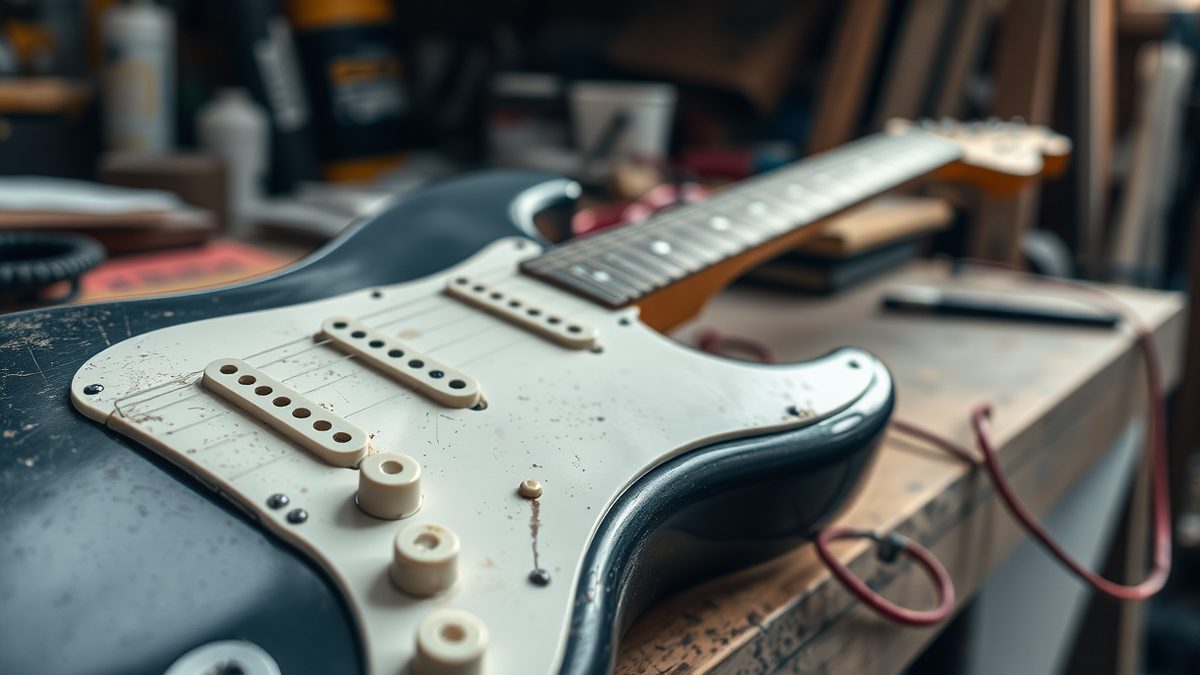
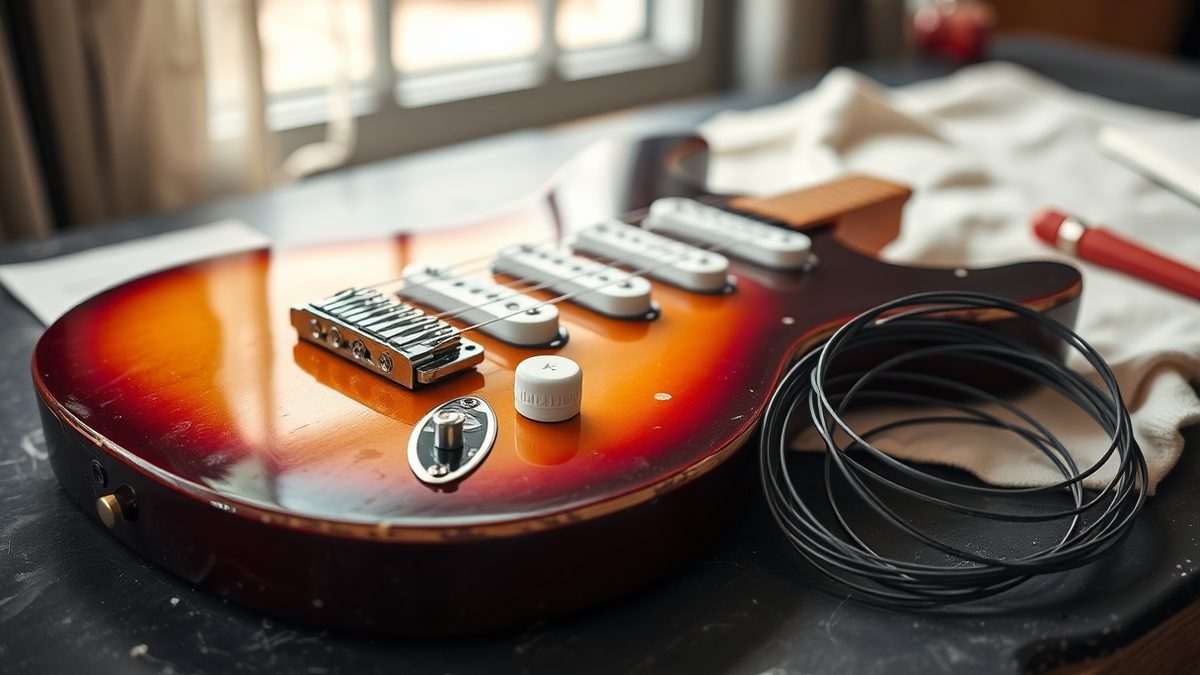
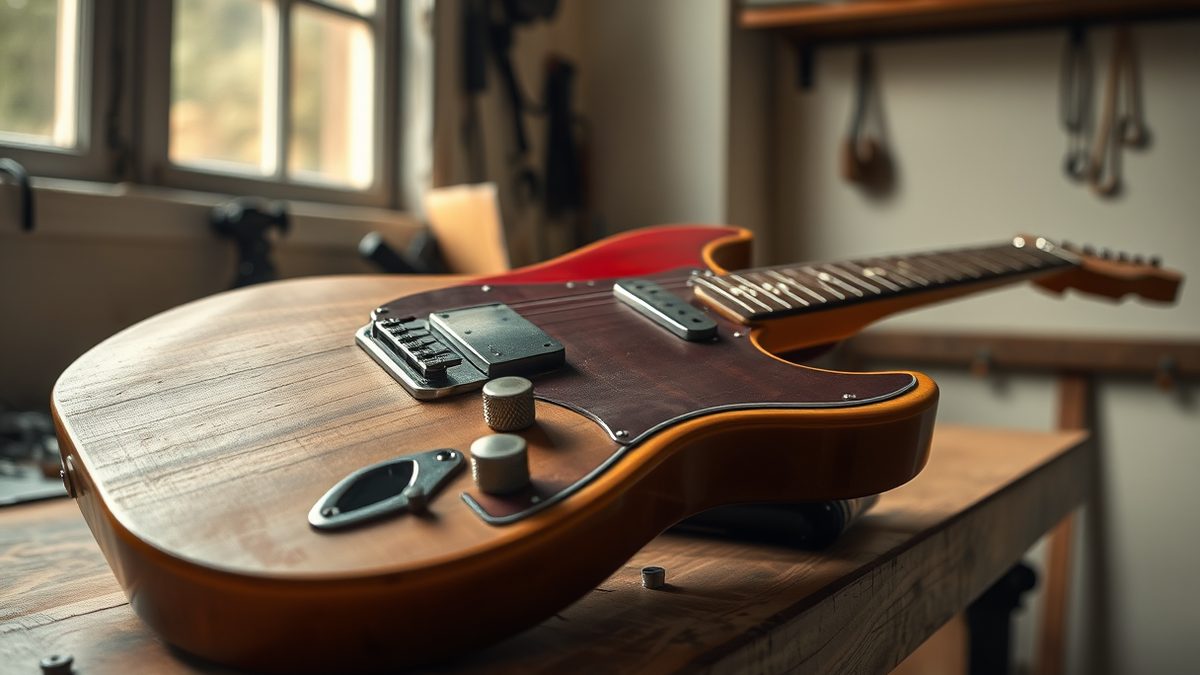
Thomann is suing Fender over its Stratocaster cease-and-desist campaign, the first company to take the guitar maker to court in a dispute that now touches retailers, custom builders and decades-old distribution deals.
YouTube reached a new licensing deal with SESAC on Monday after hit songs vanished from YouTube and YouTube Music over the weekend, while a Spanish figure skater won late clearance for a Minions routine and Thomann took Fender to court.
YouTube said on Monday it had reached a new licensing deal with SESAC and would restore music from Adele, Kendrick Lamar and others within "the next day or two". Hundreds of tracks had vanished from YouTube and YouTube Music over the weekend.
Songs by Adele, Kendrick Lamar, Nirvana and others vanished from YouTube and YouTube Music on Saturday. Viewers saw an error message naming the US performing rights organisation SESAC. A new licensing deal was announced on Monday.
Thomann, the world's largest music retailer, is suing Fender over its wave of cease-and-desist letters in the Stratocaster copyright dispute. It is the first company to take the guitar maker to court.
Thomann, the German music retailer, is suing Fender over the Stratocaster body shape. It is the first company to take the guitar maker to court after a default ruling in Dusseldorf opened the door to cease-and-desist letters across the EU.
A figure skater got his Minions routine back after a public outcry. Most copyright disputes end differently: confidential settlements, abandoned performances, or four months of an artist's life.
A copyright dispute is not always a fight between two companies over a song. Sometimes it decides whether a figure skater can perform, whether a legal database can be scraped, or who owns a photograph taken by a monkey.