Copyright disputes: from vanished YouTube hits to an Olympic Minions routine
A copyright dispute can pull songs off YouTube, block a figure skater's Olympic programme or drag a glass artist into a fight with Huawei. Here is what the recent cases actually show.
 Helen MarshCulture, food and lifestyle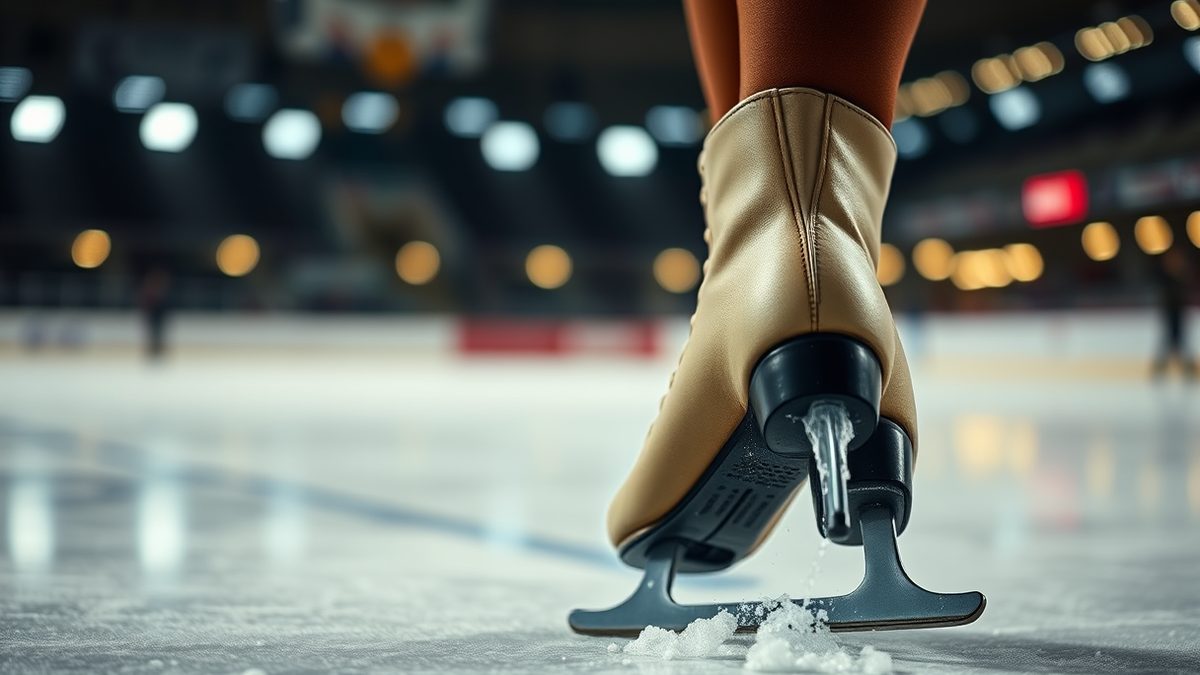
Copyright disputes usually reach the public as an error message. On a Saturday in late September 2024, that message appeared under some of the most streamed songs on YouTube and YouTube Music: "This video contains content from SESAC. It is not available in your country." The Verge reported the removals hit tracks by Adele, Kendrick Lamar, Britney Spears, Green Day, Kanye West and Burna Boy.
SESAC is the Society of European Stage Authors and Composers, founded in 1930. According to its website, it licenses the public performance of more than 1.5 million songs for over 15,000 affiliated songwriters, composers and publishers. It is smaller than BMI and ASCAP, but its catalogue includes major names. In 2017 it was acquired by the private equity firm Blackstone.
The takedown was a negotiating position, not a final ruling. YouTube told The Verge it had "held good faith negotiations with SESAC to renew our existing deal" and could not reach an equitable agreement before expiry, adding that it was in active conversations with SESAC. Variety cited an unnamed source saying the previous deal did not expire until the following week. By the Monday afternoon, YouTube announced a new deal and said the missing music would be restored over the next day or two.
Two features of that episode repeat across copyright fights. First, the same work can be blocked in one form and available in another: The Verge noted that one listing for Kanye West's "Power" was blocked while the music video continued to stream. Second, the dispute was resolved privately and quickly once commercial pressure built.
When clearance fails, athletes adapt
Figure skating shows what happens when there is no platform deal to fall back on. The Spanish skater Tomàs-Llorenç Guarino Sabaté, a six-time national champion, learned late last week that his short programme, built around music from the Minions films, would not be cleared for the Milano Cortina Winter Games. The Guardian reported that he had submitted the music through the International Skating Union's recommended rights-clearance process months earlier and had skated it all season, including at the European championships in Sheffield.
On Tuesday, Universal gave permission for what Guarino Sabaté called "this one special occasion". In an Instagram post, he thanked fans: "Huge THANK YOU to everyone who reposted, shared and supported. Because of you Universal Studios reconsidered and officially granted the rights for this one special occasion." He added that two other pieces of music in the programme still had to be tied up.
"It's a complex issue, frankly, because the music industry has no common clearance platform," ISU director-general Colin Smith told the Guardian.
Smith described multiple buckets of rights with no single clearance process. He said the ISU was working with the IOC and the music industry on a "multi-pronged approach" and had held direct talks with a major publishing and music company. The problem is not unique to skating. Canadian ice dancers Marie-Jade Lauriault and Romain Le Gac lost two Prince songs planned for their rhythm dance, and Canadian pairs skaters Deanna Stellato-Dudek and Maxime Deschamps dropped a Phil Collins cover after a licensing quote in the tens of thousands of dollars. At Beijing 2022, American pairs champions Alexa Knierim and Brandon Frazier faced a lawsuit over a House of the Rising Sun cover that was later settled privately, understood by the Guardian to be around $1.4m.
Architecture, databases, guitars
Copyright claims also travel through design and data. Canadian glass artist Victoria Balva wrote that a person in Asia contacted her about a large stained and leaded glass skylight being built for Huawei's headquarters in Shenzhen, and that the rendering resembled her domes and ceilings. She wrote to the Japanese architecture and interior design firm Nikken, which she says investigated and accepted that an employee had looked at her designs. A new design was later submitted for her approval. Balva said the case had not been fully resolved and that four months of her professional life were lost.
In Canada, the non-profit CanLII sued the Vancouver AI startup Caseway in the British Columbia Supreme Court in November 2024, alleging a bulk and systemic download of its legal database without permission or compensation. BetaKit reported that the two announced a settlement on a Friday in March 2026, with confidential terms and a joint statement that each would move forward independently.
And in the guitar market, the German retailer Thomann said it was suing Fender, becoming the first firm to take the company to court over its Stratocaster cease-and-desist campaign. Fender's move followed a March default ruling at the Regional Court of Dusseldorf, and May letters to firms including LsL Instruments and PRS Guitars. Thomann CEO Hans Thomann said many affected companies lack the means to litigate, so the retailer would pursue the matter "for all parties involved".
Sources
5- 01YouTube pulls songs from Adele, Nirvana, and others due to SESAC disputeEN
- 02Figure skater saved from scrapping Olympic routine after Minions music copyright disputeEN
- 03New Huawei Headquarters. Copyright infringement disputeEN
- 04Online legal database CanLII and AI startup Caseway settle copyright disputeEN
- 05Thomann suing Fender over cease-and-desistsEN
All figures and quotations in this text come from the sources listed below.
Content prepared by the editorial team with AI assistance.
Helen Marsh
Comments
0- No comments yet — be the first.