Filings near 1,200: two tracks in China's AI governance
China's Cyberspace Administration says 1,112 generative AI services had completed filing as of August 31, 2026. The same week, the AI Safety Governance Framework 3.0 came out during Cybersecurity Week.
 Rachel NwosuAI, models and technology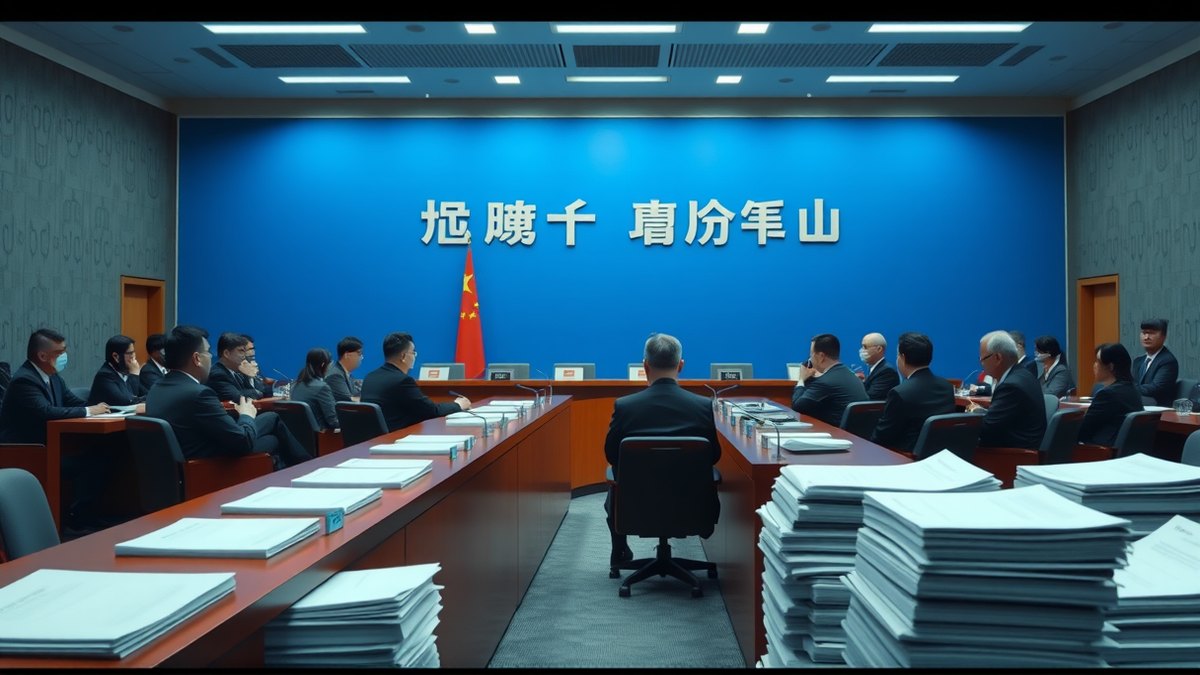
China is pushing generative AI governance along two tracks at once. One is filings and registrations. The other is a safety governance framework that keeps getting revised. One is hard, the other soft, and together they sketch the rules for the field.
Start with filings. In a notice published on September 14, the Cyberspace Administration of China said 124 new generative AI services completed filing between July and August 2026 under the Interim Measures for the Administration of Generative AI Services. Seven of them offer on-device generative AI services for phones. Apps or features that call an already filed model directly through an API or by other means go through local cyberspace authorities instead. Another 133 completed that registration.
The cumulative numbers show the scale. As of August 31, the notice says, 1,112 generative AI services had completed filing and 731 generative AI apps or features had completed registration. The notice also requires apps or features already online to display which filed or registered generative AI services they use, in a prominent place or on the product details page, along with the model name and the filing number or launch number.
On-device is the new growth area. On September 23, cyberspace authorities issued another notice announcing filing information for 3 newly added generative AI services for phones, among them YOYO Claw. On-device phone models run inference locally and keep data on the handset, which extends filing coverage from the cloud to the device.
Then there is the framework. On September 14, at the opening ceremony of National Cybersecurity Week 2026, the National Technical Committee for Cybersecurity Standardization released the AI Safety Governance Framework 3.0. It keeps the core logic of risk classification, technical response and comprehensive governance, and updates the risk classification while revising the technical response and governance measures. Versions 1.0 and 2.0 came out in 2024 and 2025, and both drew attention.
International discussion is heating up too. Reuters reported that Chinese AI companies including DeepSeek and Moonshot AI were invited to speak at the UN Security Council on AI and international security. On September 25, Microsoft co-founder Bill Gates publicly called on the US Congress to legislate on AI development, saying nobody thinks industry self-regulation is enough. Tightening regulation and dense filing activity are becoming a shared backdrop for the global AI industry.
Sources
3- 01关于发布生成式人工智能服务已备案信息的公告(2026 年 7 月至 8 月)ZH
- 02《人工智能安全治理框架 3.0》发布ZH
- 03消息称 DeepSeek 本周参加联合国安理会,讲解 AI 安全风险ZH
All figures and quotations in this text come from the sources listed below.
Content prepared by the editorial team with AI assistance.
Rachel Nwosu
Comments
0- No comments yet — be the first.