Comcast and Fastly push Peacock sports streams to the network edge
Comcast and Fastly said they are running Fastly's content delivery software directly inside Comcast's network to handle Peacock's live sports traffic, with the companies announcing the architecture earlier this month and detailing it on 28 September.
 Daniel FisherSport, cars and travel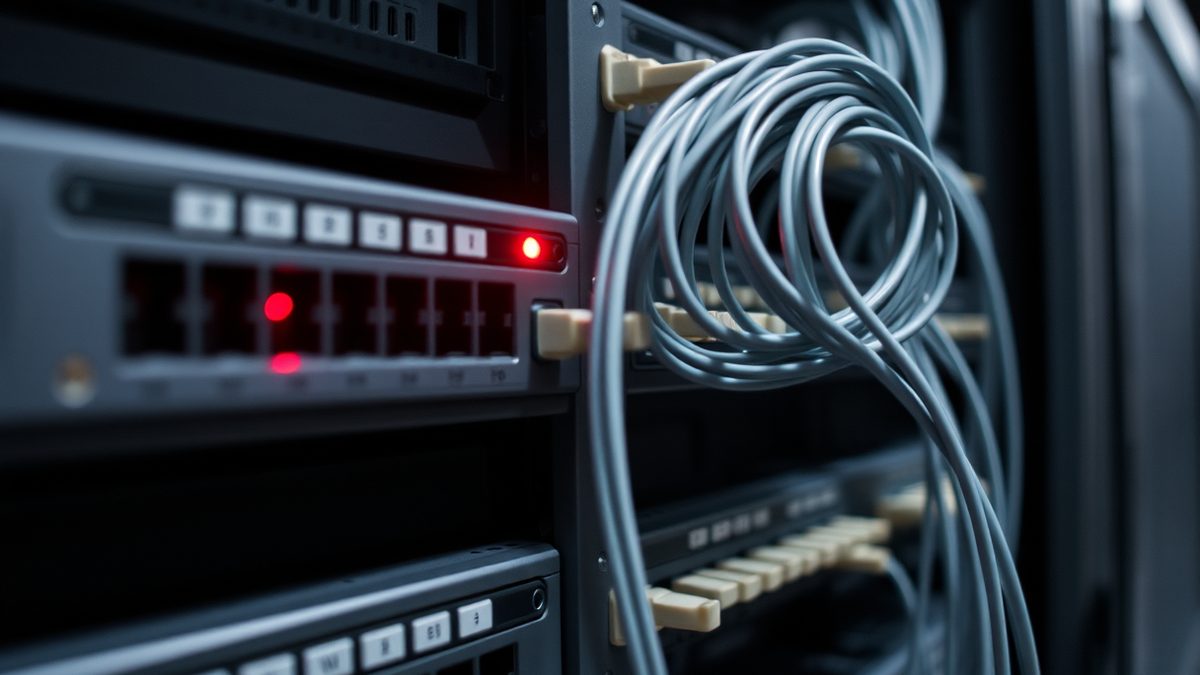
Comcast and Fastly are working with NBCUniversal to serve live sports and other high-demand events on Peacock from infrastructure placed closer to viewers, according to a 28 September announcement covered by Light Reading. The approach runs Fastly's content and application delivery software directly on Comcast's network, expanding capacity during marquee events such as NFL, NBA and MLB games.
NBCUniversal's global video engineering chief says the problem is simultaneity. Millions of viewers arrive at the same moment and expect the same quality, which "creates enormous demand for network and streaming capacity," said David Bohunek, senior vice president of global video engineering at NBCUniversal Media Group.
He said moving high-demand content closer to viewers adds capacity where it matters most and cuts duplicate traffic and unnecessary distance in the delivery path. Traditionally, content delivery platforms sit outside an internet service provider's network, and identical content travels from centralized locations across long paths before entering the network that connects the viewer.
Why live events break the old model
The Comcast and Fastly design instead runs Fastly's software inside Comcast's network, where distributed computing and storage resources can manage and deliver Peacock content closer to viewers. Fastly chief executive Kip Compton described the integration as a way to scale live streams, critical APIs, security and application performance closer to audiences when demand peaks. Comcast operates more than 200 AI-powered edge compute centers across the US, according to Light Reading. The companies said the model announced earlier in September lets Fastly's software run from those locations, giving Peacock another way to customize and deliver high-demand content. The announcement came on the same day the Bank of England's financial policy committee warned about AI debt, but the two stories are unrelated.
The arrangement lands in a market where streaming platforms are buying sports rights at a rapid clip. Disney+ confirmed a five-year deal with the National Hockey League for live streaming rights in Sweden and Finland, covering 160 regular season games and 20 games from the first two rounds of the Stanley Cup playoffs, with Conference Finals and Stanley Cup Finals shared with Viaplay, SportsPro reported on 23 September.
Disney+ also holds a global Formula E partnership spanning 144 territories from the 2026/27 season. In France, the LFP's streaming experiment Ligue 1+ remains alive despite a planned rights tender, SportsPro reported on 18 September. Cyprien Castanedo, head of media platform and innovation at the LFP, said discussions with media companies were "no secret" but insisted the platform remained part of the competition's future, adding that "if at some point someone wants to put €1 billion on the table, that would also be welcome." Ligue 1+ launched with a million subscribers in its first month.
SportsPro also reported that Disney+ stopped issuing updated user numbers last year, with its most recent figures showing 131.6 million paid subscribers excluding India as of September 2025.
Meanwhile, Alibaba became an official technology and cloud partner of the Brooklyn Nets and the team's jersey patch sponsor, and will power a real-time 360-degree replay system at the Barclays Centre from the 2026-27 NBA season, the South China Morning Post reported on 29 September. Analysts at Omdia expect the pressure to keep building. In a 30 September note, the firm said 59% of organizations expect their AI budgets to increase by 10% or more in 2027, while hardware delays already affect 60% of PC channel partners. The same note predicted global humanoid robot shipments will exceed 700,000 units by 2030.
"Live sports place extraordinary demands on streaming infrastructure, with millions of viewers often arriving at the same moment and expecting a consistent, high-quality experience," Bohunek said.
Separately, a Tokyo district court ruled on Wednesday that an AI tool which copied actor Kenjiro Tsuda's voice violated his publicity rights, the Guardian reported on 30 September. The court dismissed Tsuda's request to force TikTok to remove the videos because the user had already deleted them. The case is believed to be the first in Japan seeking to defend vocal identity against AI copies.
Whether edge delivery can absorb the next wave of live rights deals is an open question. The Comcast and Fastly model depends on software running inside one ISP's footprint, and Peacock's biggest audiences are not all Comcast subscribers. Neither company has published capacity figures or cost savings from the arrangement.
Sources
9- 01Comcast and Fastly connect to support Peacock's live sports streamsEN
- 02Disney+ continues to move into live sport, but what role will it play in the streamer's global future?EN
- 03French soccer's DTC dilemma: Why the LFP's rights tender doesn't mean the end of Ligue 1+EN
- 04Alibaba deepens sports tech push with new Brooklyn Nets partnershipEN
- 05Four forces set to reshape technology in 2027 - OmdiaEN
- 06AI tool that copied actor's voice violated his rights, Tokyo court rulesEN
- 07We need 'right to intervene' in AI amid growing threat, says Bank of England bossEN
- 08Logitech MX Keypad vs. Elgato Stream Deck: Das Duell der Stream-ControllerDE
- 09ANYbotics launches Shift to streamline robot fleet operations, scale inspectionsEN
All figures and quotations in this text come from the sources listed below.
Content prepared by the editorial team with AI assistance.
Daniel Fisher
Comments
0- No comments yet — be the first.