Copyright fights in 2026: skaters, guitars and a legal database
A Spanish figure skater won back his Minions routine and a German retailer took Fender to court, while Canada's CanLII closed a case against an AI startup. Three disputes, one pattern: licensing systems built for a slower era are straining under modern use.
 Naomi FeldmanCulture, food and lifestyle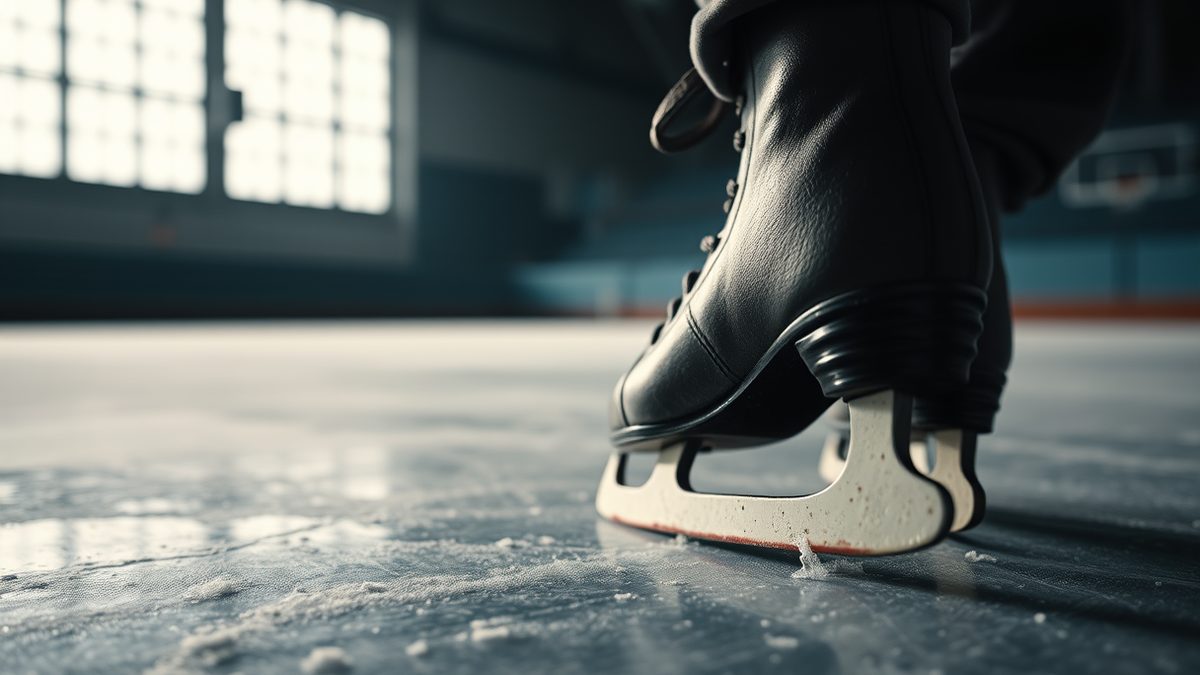
Three copyright stories landed in 2026. A skater needed permission for a cartoon soundtrack. A guitar retailer sued the company that invented the instrument it sells. A non-profit legal database settled with an AI company that had scraped it. In each case, the old clearance machinery met a use it was not designed for.
Start with the ice. Tomàs-Llorenç Guarino Sabaté, the six-time Spanish national champion, learned late last week that his short program would not be cleared for the Milano Cortina Winter Games, the Guardian reported on 3 February. He had submitted the Minions music months earlier through the rights-clearance process recommended by the International Skating Union. He had skated it all season, including at last month's European championships in Sheffield.
On Tuesday, Universal gave him permission.
"Huge THANK YOU to everyone who reposted, shared and supported. Because of you Universal Studios reconsidered and officially granted the rights for this one special occasion," Guarino Sabaté wrote on Instagram. Two other pieces of music in the program still needed to be tied up, he added.
A structural problem, not a skating problem
The ISU's director-general, Colin Smith, told the Guardian at last year's world championships in Boston that this is a music business problem the sport cannot fix alone. "It's a complex issue, frankly, because the music industry has no common clearance platform," Smith said. "There are multiple buckets of rights, and within those buckets the clearance process isn't done on a single platform. Tracking tools have improved, but the facilitated process just isn't there."
It is not an isolated case. Canadian ice dancers Marie-Jade Lauriault and Romain Le Gac lost two Prince songs from their 1990s-themed rhythm dance late last year, despite season-long approval. At Beijing 2022, American pairs champions Alexa Knierim and Brandon Frazier faced a lawsuit over a cover of House of the Rising Sun; it settled privately for a sum the Guardian understands to be around $1.4m. Canadian pairs skaters Deanna Stellato-Dudek and Maxime Deschamps dropped a Phil Collins cover after a quote in the tens of thousands of dollars.
Then there is the guitar. Thomann, which calls itself the world's largest music retailer, is suing Fender over the cease-and-desist campaign that followed a default ruling at the Regional Court of Dusseldorf in March, according to Guitar World. That ruling granted Fender "enforceable rights against any guitars using the Stratocaster body shape" in the EU. In May the company sent letters to firms it believed were producing copies, among them family-owned LsL Instruments and PRS Guitars.
Thomann's own in-house brand, Harley Benton, received one. In a statement on its blog, the retailer said it is acting for smaller manufacturers without the means to litigate, naming Tyler, Tom Anderson, Suhr, LsL, Maybach, Pensa, FGN and PRS as at risk. CEO Hans Thomann framed it as a question of industry structure rather than one company's grievance: "Diversity, fairness and respectfully dealing with each other have always been part of our philosophy."
The third case is quieter. CanLII, the non-profit legal database founded by the Federation of Law Societies of Canada, sued Vancouver-based Caseway AI in the British Columbia Supreme Court in November 2024, alleging a bulk and systemic download of its work without permission or compensation. On Friday the two announced a settlement, BetaKit reported on 26 March. Terms are confidential. CanLII called it "fully and finally resolved"; Caseway said the outcome "represents a clear shift away from attempting to slow technological progress through litigation."
Different sectors, same friction point. Rights holders want control over how their work travels. The people using it want predictable access. The 2026 disputes suggest the gap between those two positions is still being negotiated case by case.
Sources
3- 01Figure skater saved from scrapping Olympic routine after Minions music copyright disputeEN
- 02Thomann suing Fender over cease-and-desistsEN
- 03Online legal database CanLII and AI startup Caseway settle copyright disputeEN
All figures and quotations in this text come from the sources listed below.
Content prepared by the editorial team with AI assistance.
Naomi Feldman
Comments
0- No comments yet — be the first.