Cytokinetics reports aficamten imaging data in non-obstructive HCM
Cytokinetics said 9 Nov 2026 that a cardiac MRI substudy of ACACIA-HCM showed significant reductions in left ventricular mass index and wall thickness in non-obstructive HCM, and another analysis showed a 4.0-point KCCQ-OSS gain as it prepares an nHCM filing.
 Sofia MarchettiScience and health
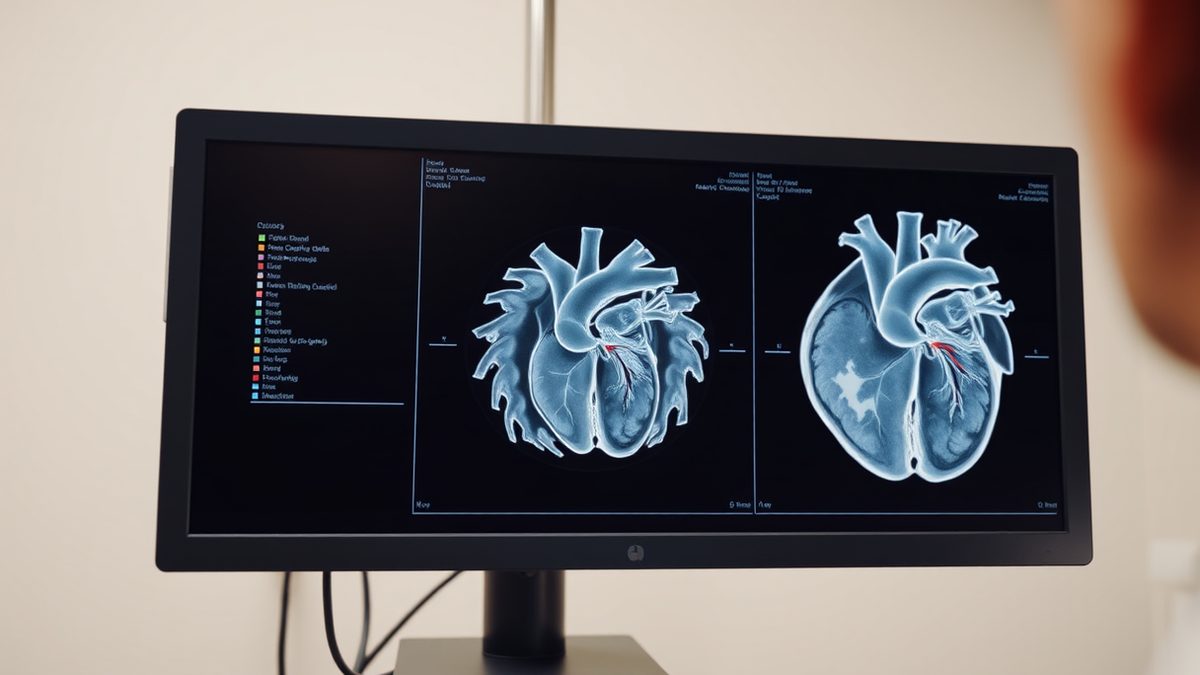
New ACACIA-HCM data
Cytokinetics said two late-breaking ACACIA-HCM abstracts and one FOREST-HCM poster were presented at the Hypertrophic Cardiomyopathy Medical Society Scientific Sessions, held with the American Heart Association Scientific Sessions 2026 in Chicago. The company announced the data on 9 November 2026.
The pre-specified cardiac magnetic resonance (CMR) imaging substudy in non-obstructive hypertrophic cardiomyopathy (nHCM) ran for 36 weeks. Aficamten produced statistically significant reductions in left ventricular mass index (LVMI) and left ventricular wall thickness versus placebo (p below 0.001). The LVMI reduction was driven by a decrease in myocardial cellular mass, with no significant changes in measures of extracellular matrix or myocardial fibrosis. Those structural improvements correlated with significant decreases in N-terminal pro-B-type natriuretic peptide (NT-proBNP) and high-sensitivity troponin I, biomarkers of cardiac wall stress and myocardial injury. The analysis said the beneficial structural remodeling appeared somewhat independent of relief of obstruction and a direct effect of aficamten on the myocardium.
A separate ACACIA-HCM analysis used the Kansas City Cardiomyopathy Questionnaire Overall Summary Score (KCCQ-OSS), a broader measure than the trial's primary KCCQ Clinical Summary Score, to assess patient-reported health status. At week 36, aficamten showed a 4.0-point greater improvement than placebo. More patients improved (33.7% versus 22.5%) and fewer deteriorated (7.4% versus 13.3%). The authors said the between-group difference appeared greater through week 72; after treatment withdrawal, effects declined within four weeks and no differences remained at the end of the study.
ACACIA-HCM enrolled 517 patients. In the trial, 53% of patients on aficamten achieved meaningful improvements in at least three of five disease areas, compared with 13% on placebo, a 40-percentage-point difference. Cytokinetics said the trial met its two primary goals by improving heart-failure symptoms and patients' quality of life, and that aficamten significantly improved symptoms and exercise capacity. CEO Robert Blum called ACACIA-HCM the first positive Phase 3 clinical trial in nHCM. Cytokinetics plans to seek an expanded label.
Why the imaging data matter
No therapy is approved for nHCM, according to a September report on the trial's main results. That report said the trial showed no significant benefits involving heart structure or cardiovascular events, and that heart-failure events raised questions about the strength of the results. The new structural findings come from a pre-specified CMR imaging substudy, a different analysis from the main trial results.
Cytokinetics estimates more than 200,000 US patients have been diagnosed with nHCM, including more than 120,000 who are symptomatic and eligible for treatment. Barclays analysts forecast more than $5 billion in peak sales for MYQORZO and expect Cytokinetics could have the nHCM market to itself for several years.
Safety and filing
MYQORZO carries a boxed warning about heart failure risk and is available only through a restricted program called the MYQORZO REMS. In FOREST-HCM, among 410 patients with obstructive hypertrophic cardiomyopathy (oHCM), 12 (2.9%) developed left ventricular ejection fraction (LVEF) below 50% and none below 40%, or 2.1 events per 100 patient-years. There were no heart failure hospitalizations or deaths associated with systolic dysfunction, and episodes were transient, asymptomatic and rapidly reversible after dose reduction or temporary interruption. Borderline LVEF of 50% to below 55% was clinically benign and did not require dose adjustment or intervention. The FOREST-HCM data were published in the Journal of Cardiac Failure.
In SEQUOIA-HCM, hypertension occurred in 8% of patients on MYQORZO versus 2% on placebo, the only adverse reaction above 5% and more common than placebo. Core laboratory echocardiography found LVEF below 50% in 5 patients (3.5%) on the drug versus 1 patient (0.7%) on placebo. The label requires echocardiogram evaluations before and during treatment, and initiation in patients with LVEF below 55% is not recommended.
MYQORZO was approved by the FDA in December 2025 for adults with symptomatic oHCM to improve functional capacity and symptoms. Cytokinetics plans to submit the nHCM supplemental application in the fourth quarter of 2026. The company said the application remains subject to regulatory approval.
Sources
12- 01FDA approves new drug for genetic heart disease - Cardiovascular BusinessEN
- 02Cytokinetics (CYTK) Reaches A Phase 3 First In Non Obstructive HCMEN
- 03Could Aficamten Give Cytokinetics the First Approved nHCM Treatment?EN
- 04Cytokinetics Launches ASPEN-HCM: A Real-World Study Evaluating MYQORZO (Aficamten) In Symptomatic Obstructive Hypertrophic CardiomyopathyEN
- 05Cytokinetics Announces Health Canada Approval of MYQORZO (aficamten) for the Treatment of Adults with Symptomatic Obstructive Hypertrophic CardiomyopathyEN
- 06Cytokinetics Announces Additional Data Related to Aficamten Presented at the Hypertrophic Cardiomyopathy Medical Society (HCMS) Scientific SessionsEN
- 07Cytokinetics Q3 Earnings Call Highlights - TradingViewEN
- 08Cytokinetics Reports Third Quarter 2026 Financial Results and Provides Business Update - The Manila TimesEN
- 09Cytokinetics (CYTK) Reaches A Phase 3 First In Non Obstructive HCMEN
- 10Cytokinetics Aligns For U.S. Launch Amid HCM Market EvolutionEN
- 11West Yorkshire’s £229 Million Bus Decisions Will Outlast Its Operating ContractsEN
- 12Musk says Tesla will refund some Cybertruck deposits, defends decision to end productionEN
All figures and quotations in this text come from the sources listed below.
Content prepared by the editorial team with AI assistance.
Sofia Marchetti
Comments
0- No comments yet — be the first.