Medicare's open enrollment for 2027 coverage is the first since the $50 GLP-1 Bridge began
Medicare's open enrollment for 2027 coverage opened on 15 October 2026, the first annual window since the $50 GLP-1 Bridge began, letting eligible Part D beneficiaries seek obesity drug coverage before the program ends in December 2027.
 Sofia MarchettiScience and health
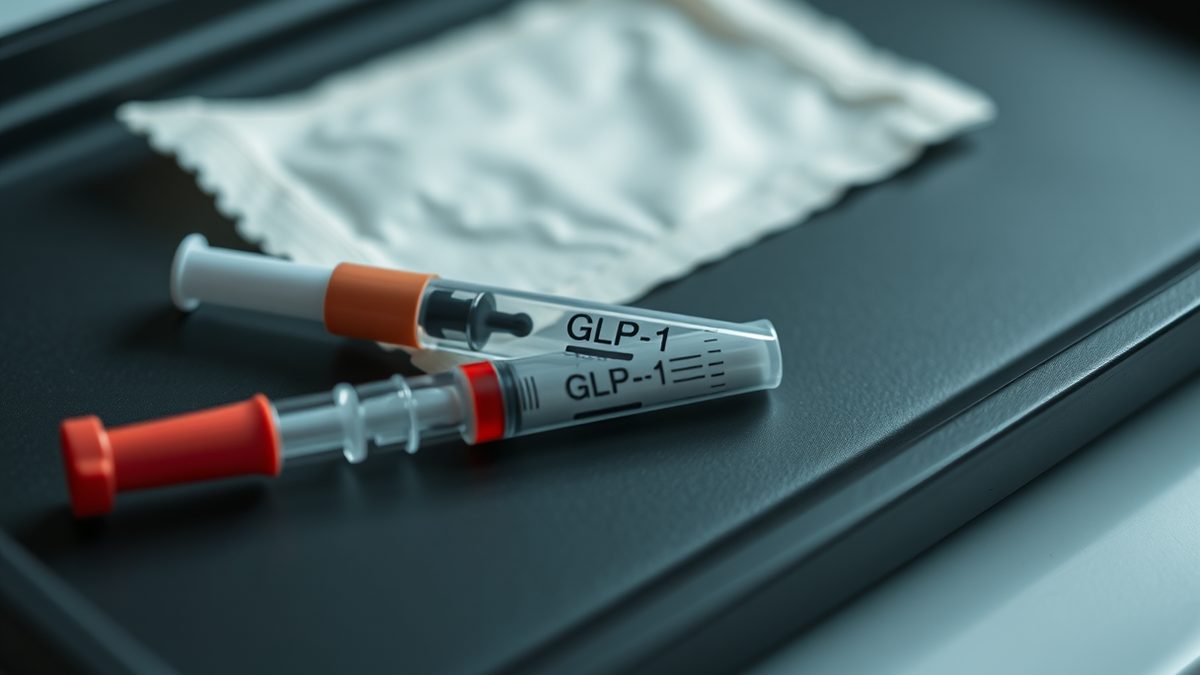
The window runs to 7 December. For 2027, the Part D maximum deductible rises to $700, $75 more than in 2026, and the out-of-pocket cap rises to $2,400 from $2,100. From 1 January 2027, 15 drugs carry negotiated prices, including Ozempic, Rybelsus and Wegovy. The Bridge program runs from 1 July 2026 to 31 December 2027.
What the Bridge program pays
Eligible Part D beneficiaries pay a $50 monthly copay for a covered GLP-1. Many patients still pay about $350 a month for the drugs, CBS News reported. Manufacturers supply the drugs at a reduced net price of about $245 a month, according to the National Council on Aging. The $50 copay is flat regardless of income, WebMD reported.
The copay sits outside ordinary Part D coverage. It does not count toward the deductible or the yearly out-of-pocket cap. Extra Help cannot reduce it. Covered products are Eli Lilly's Foundayo pill and Zepbound injection, and Novo Nordisk's Wegovy in injection and pill form.
CMS used a section of statute that lets the federal government stand up a temporary program, Juliette Cubanski, vice president and director of Medicare policy at KFF, said in comments reported by CBS News. Cubanski said it is possible manufacturers could lower their current direct-to-consumer prices to match the $50 copay.
Who qualifies
Access runs through prior authorization. A provider must submit a request showing the drug is prescribed for weight loss and document that the patient meets a BMI threshold and health condition rule. The BMI routes are at least 35; at least 30 plus a history of heart failure, uncontrolled hypertension or chronic kidney disease; or at least 27 plus prediabetes, a previous heart attack or stroke, or symptomatic peripheral artery disease.
WebMD lists four criteria that must all be met: Part D coverage; no current GLP-1 coverage through Part D; no type 2 diabetes, moderate to severe sleep apnea or fatty liver disease; and age at least 18 plus a BMI threshold. CBS News reported that patients already covered for a GLP-1 under Part D for conditions such as Type 2 diabetes or sleep apnea are not eligible.
KFF estimates 3.8 million people meet the eligibility rules. Medicare covers about 66 million people, CNBC reported. Cubanski said patients who think they may qualify should start by talking to their clinician.
Demand since July
Eli Lilly chief executive Dave Ricks told CNBC that 700,000 new Medicare beneficiaries had started GLP-1 treatment since coverage launched in July, and 70% were on Lilly medicines. He said one-third of new patients on oral GLP-1s are taking Foundayo, which launched in April. "I think we still see physicians focusing on those with the most body weight and the most complications," he said.
Ricks gave the 700,000 figure in the CNBC interview. Joseph Nadglowski of the Obesity Action Coalition wrote in The Hill that more than 600,000 beneficiaries had enrolled in the first two months, most of whom had never had access to GLP-1 drugs for obesity before. Ricks said he had not heard of many logistical problems with the rollout. He said CMS "did a nice job rolling this out," educating physicians and working with both companies and the insurance system.
There are 11 GLP-1 medications on the US market, and an estimated 11% of US adults take one, WebMD reported.
Medicare's GLP-1 spending
Medicare already spent $27.5 billion gross on GLP-1s under Part D in 2024, five times the 2019 level, according to KFF's analysis of CMS claims data. Two million Part D enrollees took Ozempic in 2024, up from fewer than 150,000 in 2019. KFF estimated that assuming 50% rebates would mean net spending of around $14 billion in 2024. KFF notes that Medicare's negotiated price for semaglutide starts in 2027 and for dulaglutide in 2028, which could hold down part of the increase from wider use.
Before the Bridge program, Medicare covered GLP-1s only for Type 2 diabetes, cardiovascular disease and sleep apnea. Coverage for drugs prescribed solely for weight loss was prohibited by law.
What happens after 2027
CMS describes the Bridge program as a bridge to the BALANCE model. Under that model the agency would negotiate pricing and coverage terms with manufacturers for state Medicaid agencies and Part D plan sponsors. Whether BALANCE covers the same patients on the same terms is undecided, WebMD reported.
Cubanski told CBS News there is no clear path forward yet for the end of 2027, and the program ends then unless CMS issues an extension or Congress changes the law.
Sources
21- 01Medicare to cover GLP-1 drugs for weight loss starting July 1. Here's what to know. - CBS NewsEN
- 02What Is the Medicare GLP-1 Bridge Program? - The National Council on Aging (NCOA)EN
- 03Recent Trends in GLP-1 Use and Spending in Medicare - KFFEN
- 04Are You Eligible for the Medicare GLP-1 Bridge?EN
- 05Medicare open enrollment: Common mistakes to avoid for 2027 coverageEN
- 06Eli Lilly CEO says 700,000 new seniors have started GLP-1s after Medicare coverage, and 70% are on Lilly drugsEN
- 07Opinion - A new Medicare program opened the door to obesity treatment — keep it openEN
- 08Lilly’s Obesity Access Push via Medicare Bridge Might Change The Case For Investing In Eli Lilly (LLY)EN
- 09How CMS’ Final Negotiation Rule Treats New Drug Formulations - Pharmaceutical CommerceEN
- 10STAT+: Failure of Novartis Lp(a) drug raises questions about cardiovascular strategyEN
- 11STAT+: States sue Trump administration again to delay Medicaid work requirementsEN
- 12STAT+: After Medicare punts RPM overhaul to 2029, advocates see window to fight backEN
- 13Opinion: AI depends on medical records that don’t always tell the full truth about womenEN
- 14#AHA26: The similar, surprising Novo and Novartis heart drug failures spelled outEN
- 15An anti-aging drug may help protect the brain before Alzheimer's symptoms beginEN
- 16Finding New Drugs Is Laborious. This AI Startup Is Skipping The Lab WorkEN
- 17Gene editing could replace a lifetime of medication, but there's a catchEN
- 18Scientists trick cancer cells into making the drugs that kill themEN
- 19Learn the rules: The hacker mindsetEN
- 20Scientists discover new Alzheimer’s drug that repairs DNA damage and reduces brain inflammationEN
- 21#AASLD26: Merck unwraps biopsy data for MASH drug it got from South Korea's HanmiEN
All figures and quotations in this text come from the sources listed below.
Content prepared by the editorial team with AI assistance.
Sofia Marchetti
Comments
0- No comments yet — be the first.