Honda and Nissan sign joint software deal for fiscal 2029 models
Honda and Nissan signed a joint development agreement on 31 August 2026 to standardize core electronic control units and software for next-generation cars from fiscal 2029, aiming to share development costs and enable over-the-air updates.
 Dr. Amara PatelEconomy, business and world
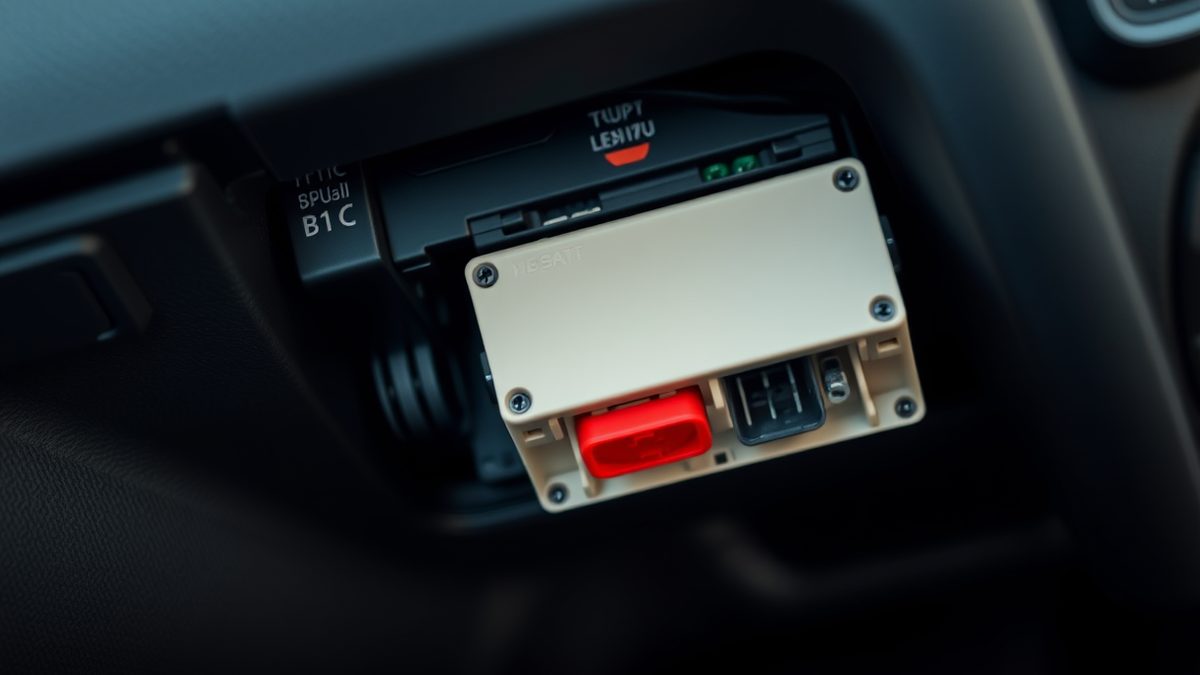
Honda and Nissan signed a joint development agreement on 31 August 2026. It covers four layers: core electronic control units, the in-vehicle operating system, key middleware and the vehicle-control software that runs on top. The deal creates no shared platform and no new company, and engineers will write the same code for future gasoline, hybrid and electric models from both brands.
Honda's regulatory filing confirms deployment from fiscal 2029 and adds a caveat: the pact will not materially affect consolidated results for the year ending March 2027, so the heavy spending comes later. Neither company has named a specific model yet.
What the agreement covers
Tech Times reported that the agreement sets common specifications for high-performance main ECUs built on systems-on-chip, the central computers in a software-defined vehicle. It also covers zone ECUs that manage functions in the front, rear and cabin areas. The two-layer design replaces a layout in which a modern vehicle might carry 70 to 100 dedicated ECUs, each running fixed firmware that was hard to update after the car left the factory.
The shared operating system is designed to support over-the-air updates, which let cars receive feature improvements and bug fixes after purchase. Tesla has offered that capability since 2012 and uses it to resolve approximately 40% of vehicle recalls without a dealer visit, according to Tech Times. Nissan chief executive Ivan Espinosa has said the goal is to standardize the underlying software infrastructure while preserving each brand's product identity.
Biz Chosun reported that the operating system and ECU setup are based on Nissan technology. The two companies have not confirmed that detail.
From merger to software
The software deal follows a failed merger. In December 2024, Honda and Nissan signed a memorandum of understanding to fold themselves into a joint holding company, with a Tokyo listing targeted for August 2026. Mitsubishi, in which Nissan holds a 26% stake, signed a separate memo to study joining them. The combination had a value of roughly $60 billion.
Negotiations deteriorated after Honda proposed that Nissan become a subsidiary through a share exchange rather than an equal partner under a holding company, a change both sides described in a joint statement. Nissan would not accept it. Talks were formally called off in February 2025. Makoto Uchida stepped down the following month and Ivan Espinosa took over.
What happens next
Honda has framed the arrangement as a strategic partnership, not a prelude to reviving merger talks or a new capital tie-up. Mitsubishi said it is actively considering joining the collaboration and remains in discussions with both carmakers. Motor1 said readers should watch whether shared code stays limited to software or pulls in hardware and suppliers.
Sources
8- 01Honda And Nissan Sign Big Software Deal After Failed MergerEN
- 02Honda and Nissan Build Shared Car Software Stack After Merger CollapseEN
- 03Inside the collapse of Nissan and Honda's $60 billion mega dealEN
- 04The failed Honda-Nissan merger just got a second lifeEN
- 05Honda and Nissan end merger talksEN
- 06Shoals and Array announce merger plan in bid to create ‘one-stop shop’EN
- 07Who Pays for the Knowledge Models Copy? Model Collapse as Rogers' ParadoxEN
- 08Honda has dominated motorcycles for decades. Electric bikes are changing thatEN
All figures and quotations in this text come from the sources listed below.
Content prepared by the editorial team with AI assistance.
Dr. Amara Patel
Comments
0- No comments yet — be the first.