Lancet HIV publishes IMPAACT 2023 trial of dolutegravir in newborns
The Lancet HIV has published the phase 1 IMPAACT 2023 trial showing a dolutegravir dosing regimen reaches target drug levels in full-term newborns, evidence that supported the FDA's August 2026 approval of Tivicay PD from birth.
 Sofia MarchettiScience and health
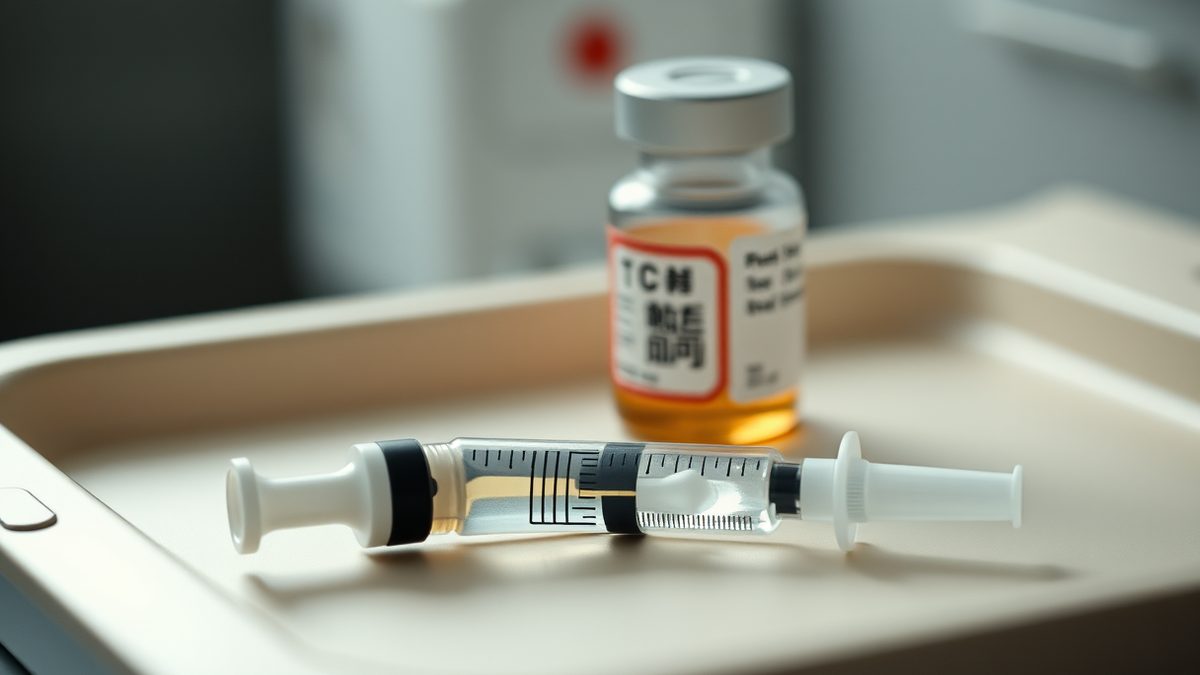
The study, published in The Lancet HIV, enrolled 48 full-term newborns born to women living with HIV-1 at sites in South Africa, Thailand and the United States. Researchers at Boston Medical Center led the phase 1, open-label trial. Depending on the group, infants received two single doses of dolutegravir or repeated doses during their first weeks, alongside standard antiretroviral prophylaxis, and were followed for 16 weeks.
Dolutegravir reached levels in the newborns comparable to those seen in older children and adults treated for HIV, the researchers reported. The drug was generally well tolerated, with a safety profile similar to older infants and children. Jeremiah Momper of UC San Diego was first author; Diana Clarke of Boston Medical Center was lead investigator. The study was funded in part by the National Institutes of Health, ViiV Healthcare and GSK, and co-authors included ViiV and GSK employees.
What the approval covers
The FDA approved Tivicay PD in August 2026 for HIV-1 in full-term infants weighing at least 2 kg, or 4.4 lbs, from birth to 4 weeks, in combination with other antiretrovirals. The label covers treatment-naive infants and those who are treatment-experienced but INSTI-naive, ViiV Healthcare said. Before the approval, Tivicay PD was cleared only for infants 4 weeks and older who weighed at least 3 kg.
ViiV said Tivicay PD is the first second-generation integrase inhibitor authorized for eligible newborns. The FDA reviewed the application under Priority Review. Extending the label down to birth required a separate application. Dolutegravir first won approval for adults in 2013, and the dispersible tablet reached infants 4 weeks and older in 2020, Medical Daily reported.
The supporting evidence was pharmacokinetic and safety data, not a phase 3 outcomes trial. Effectiveness in newborns was inferred from drug exposure levels rather than demonstrated in a large outcomes trial, a standard approach for neonatal drug approvals but still a limitation. The trial enrolled 48 newborns, a small dataset by adult standards.
Why the label matters
HIV progresses faster in infants than in adults, and the first weeks of life carry the most weight. ViiV says about half of untreated infants with HIV die by age two. Dolutegravir is a second-generation integrase strand transfer inhibitor with a higher barrier to resistance than earlier integrase inhibitors, Contagion Live reported.
The federal panel that writes pediatric HIV treatment guidelines had already endorsed dolutegravir dispersible tablets for newborns born at 37 weeks gestational age or later and weighing 2 kg or more, Medical Daily reported. The same update made dolutegravir the preferred component of initial therapy for full-term infants from birth, paired with a two-drug nucleoside backbone. The panel noted that the FDA had not then approved the dosing strategy.
Medical Daily noted that the approval mainly changes prescribing logistics, not the science. Off-label prescribing is legal and common in pediatrics, but pharmacies may question the order, institutional protocols may lag, and insurers can push back on coverage for a use the label does not describe.
A narrow US population with global reach
In the United States, the practical effect is narrow. Medical Daily, citing a CDC analysis, reported that 32 US-born infants had perinatally acquired HIV in 2019, down from 74 in 2010, and that the US met both perinatal HIV elimination targets in 2019 with a transmission rate of 0.9 percent.
More than a million children under 15 are living with HIV worldwide, and pediatric formulations have trailed adult ones by years, Medical Daily reported. A US label extension carries weight beyond American borders because it often anchors regulatory decisions and procurement standards elsewhere. The European Medicines Agency has been reviewing a parallel application for the same neonatal population, Medical Daily reported.
Diana Clarke, the lead investigator and a pediatric infectious diseases pharmacist at Boston Medical Center, said the approval fills a long-standing gap in newborn HIV care.
For too long, newborns living with HIV have had too few treatment options designed and studied to meet their unique needs, despite the importance of starting treatment as early as possible.
She said babies born at term and weighing at least 2 kg will now have access to dolutegravir-based therapy starting at birth.
Jean van Wyk, ViiV's chief medical officer, said the approval gives families and clinicians in the US 'greater choice from the very beginning of life.'
Sources
16- 01FDA Approves Tivicay PD for Infants With HIV - Contagion LiveEN
- 02FDA Approves HIV Drug for Newborns From Birth: What Parents Need to KnowEN
- 03FDA approves dolutegravir for full-term newborns with HIV (News-Medical)EN
- 04Newborns with HIV Can Now Get a Second Generation Antiviral from Birth Under a Newly Expanded Federal LabelEN
- 05FDA approves Tivicay pd for youngest HIV patientsEN
- 06International Study Helps Support FDA Approval of HIV Drug for NewbornsEN
- 07Tivicay PD Approved for HIV-1 Treatment in NewbornsEN
- 08Finding New Drugs Is Laborious. This AI Startup Is Skipping The Lab WorkEN
- 09STAT+: Revolution Medicines’ pancreatic cancer drug has stunning commercial debutEN
- 10Estonia approves 24/7 robotic pharmacies, paving the way for a European firstEN
- 11#AASLD26: Merck unwraps biopsy data for MASH drug it got from South Korea's HanmiEN
- 12Scientists trick cancer cells into making the drugs that kill themEN
- 13Scientists discover new Alzheimer’s drug that repairs DNA damage and reduces brain inflammationEN
- 14Churchill Capital XI shareholders approve $2.5B Agility Robotics humanoid SPACEN
- 15Servier's $1.5B bet on Edgewise drug fails five months inEN
- 16Federal Reserve Board announces approval of application by The Bank of Nova ScotiaEN
All figures and quotations in this text come from the sources listed below.
Content prepared by the editorial team with AI assistance.
Sofia Marchetti
Comments
0- No comments yet — be the first.