Soil peptide manikomycin binds a ribosome site no other antibiotic has targeted
University of Illinois Chicago scientists reported in Nature that manikomycin, a peptide made by a soil bacterium, kills E. coli and drug-resistant Klebsiella pneumoniae by binding a ribosome site no other molecule has targeted, though it does not yet persist in the bloodstream.
 Sofia MarchettiScience and health
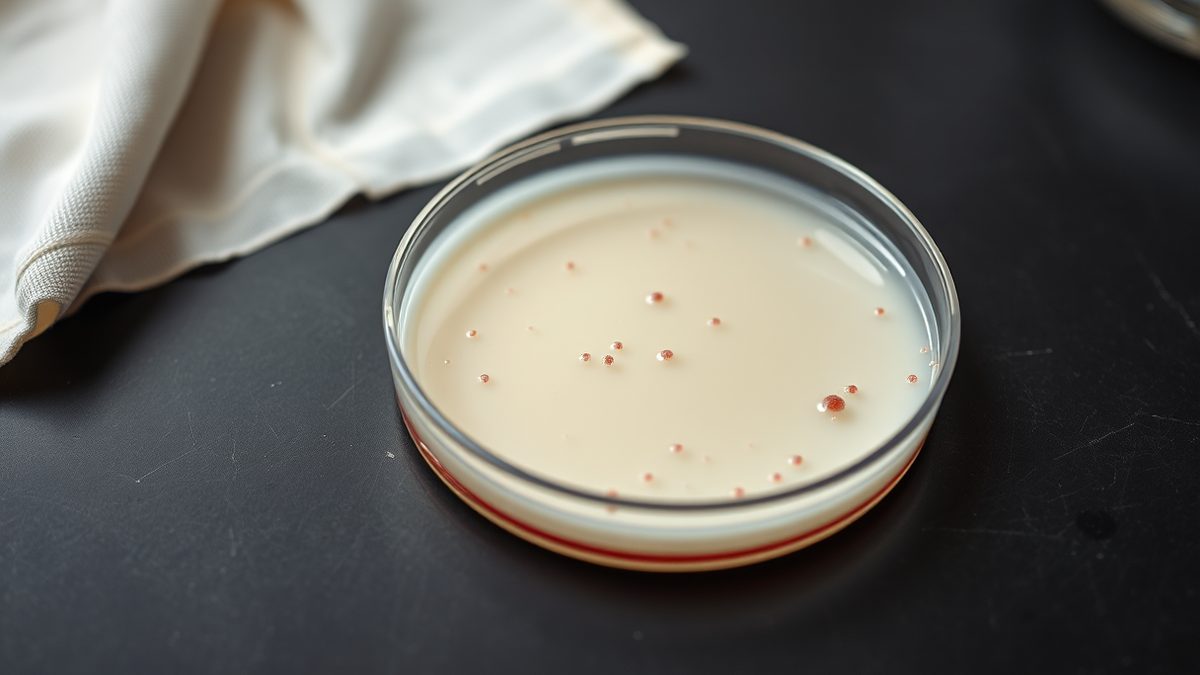
Dmitrii Travin, an assistant professor of pharmaceutical sciences at the University of Illinois Chicago and a first author of the Nature paper, said in a UIC statement: "This new antibiotic is amazing because it targets a site of the ribosome that has never been targeted by any other molecule before." Travin said the ribosome is the target of about one third of all antibiotics prescribed currently.
That matters because bacteria already carry defenses against the ribosome sites current drugs use. By binding a new site, manikomycin sidesteps those defenses. Alexander Mankin, a distinguished professor in the Retzky College of Pharmacy at UIC and a co-author, said: "Bacteria need to jump through hoops to find resistance."
When it binds, manikomycin blocks an important molecule from exiting the ribosome, halting protein synthesis entirely. Without proteins, the bacterium cannot grow or survive.
How the compound was found
Manikomycin is a peptide produced naturally by Streptomyces rimosus, a soil bacterium known for decades as the source of oxytetracycline, an antibiotic in use since the 1950s. Many researchers assumed the species had little left to give.
The route back into it ran through McMaster University's antibiotics discovery centre in Canada, where collaborators screened material from 255 bacterial strains in the Wright Actinomycetes Collection. Instead of analyzing crude mixtures, they separated the bacterium's chemical output into smaller fractions, which let them detect compounds made in small amounts.
Mankin compared the find to a dinner where everyone chased the steak and ignored the black caviar in the small dish.
Lab results and the caveats
Against E. coli, roughly three or four bacteria survived to pass on genetic resistance for every ten billion exposed. More of the antibiotic-resistant Klebsiella pneumoniae survived: about one in every hundred million. Those are laboratory counts, not a forecast for patients.
Manikomycin also enters bacterial cells through multiple transport pathways, which the researchers say may make resistance harder to develop.
Derek Lowe, a medicinal chemist who writes independent commentary for the journal Science, called manikomycin a "really good example" of an overlooked compound. But he wrote that it works against "select species" of bacteria, not all, and fails against most Gram-positive bacteria, a category that includes staph infections. It "is not going to be a wonder drug," he wrote.
What stands between the lab and the clinic
Mankin said manikomycin does not hang around long enough in the bloodstream to efficiently kill bacteria in animals or humans. "There are several things about this antibiotic that need to be improved before it can become a clinically used medicine," he said.
The team does know the chemical structure and exactly how it binds the ribosome. Collaborators at the University of Hamburg obtained a high-resolution structure of the compound bound to the ribosome. The researchers also worked out how the producing bacterium protects itself, a mechanism they say could guide modifications that overcome similar resistance strategies.
"If you are producing a weapon, you need to protect yourself against it," Travin said.
Sources
14- 01New antibiotic from soil bacteria targets drug-resistant superbugsEN
- 02New Antibiotic Found in Dirt Targets Superbugs in a Way 'Never Been Seen Before'EN
- 03New antibiotic manikomycin could help fight drug resistant superbugsEN
- 04How to fight back against superbugs, according to an antibiotic expertEN
- 05The Jumbophage Cocktail: Fighting Superbugs and Shrimp Disease | Newswise - NewswiseEN
- 06McMaster University uncovers natural antibiotic cocktail that suppresses multidrug-resistant superbugsEN
- 07New antibiotic manikomycin could help fight drug resistant superbugsEN
- 08Scientists revive a powerful antibiotic that superbugs had defeatedEN
- 09Alternative therapies may offer a new way to fight antibiotic resistanceEN
- 10The Jumbophage Cocktail_Fighting Superbugs and Shrimp DiseaseEN
- 11CrowdStrike launches AI kill switch that it says can stop internal agents that go rogueEN
- 1275,000-year-old Neanderthal may have been killed by a spear aimed at the heartEN
- 13Scientists discover a bacterial defense so strange they thought it was brokenEN
- 14Scientists reveal a hidden snakebite crisis killing up to 513,000 people a yearEN
All figures and quotations in this text come from the sources listed below.
Content prepared by the editorial team with AI assistance.
Sofia Marchetti
Comments
0- No comments yet — be the first.