HHS allows compounding of six unapproved peptides under interim policy
HHS said on 28 October it would not enforce against licensed pharmacies compounding six unapproved peptides, including BPC-157, under an interim policy while the FDA reviews the substances.
 Sofia MarchettiScience and health
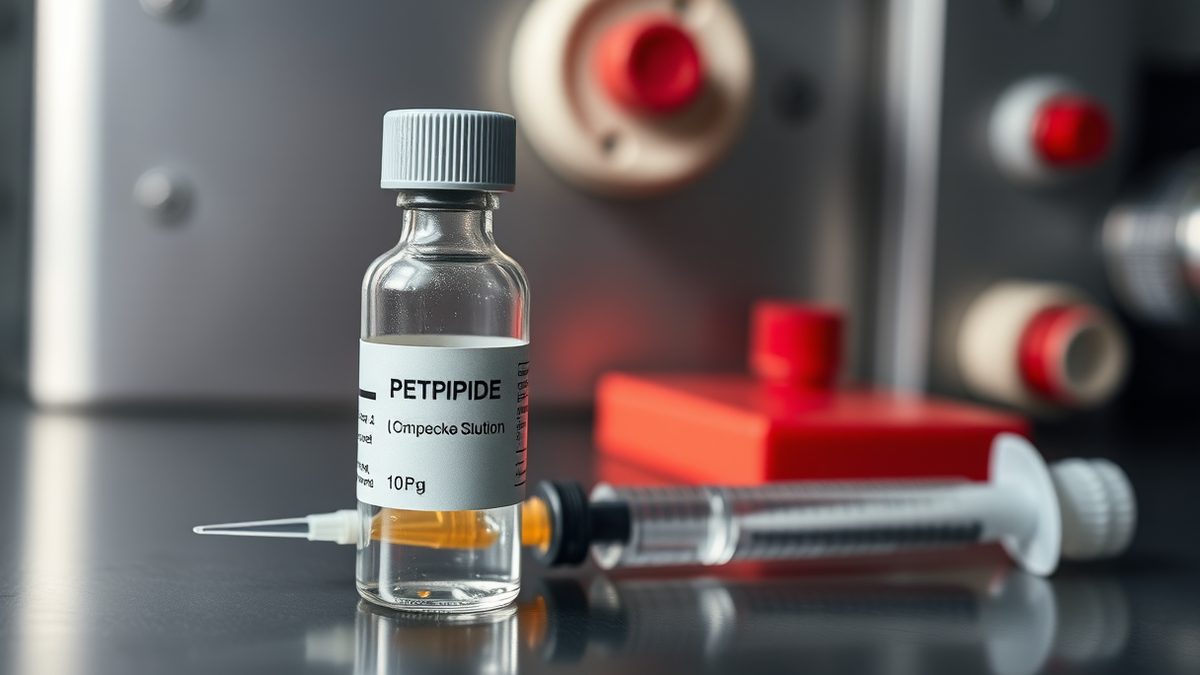
HHS said it does not intend to take enforcement action against pharmacies that compound the six while the FDA reviews the substances. The policy covers BPC-157, Epitalon, KPV, MOTS-c, Semax and TB-500.
The policy applies to state-licensed pharmacies, federal facilities and physicians compounding for a patient with a prescription, Allure reported. Pharmacies must report serious adverse events to the FDA and label the products as compounded drugs not for resale, according to the report.
Conditions in the interim policy
Raw ingredients must come from FDA-registered manufacturers following good manufacturing practice, with a certificate of analysis covering identity, purity, endotoxins and contaminants such as heavy metals.
Each product may contain only one peptide, and some allow only particular forms, such as intranasal use for Semax. Sales are prescription-only.
HHS said the aim is to discourage use of research-use-only peptides from foreign manufacturers, which it called a safety risk to US patients. None of the six is FDA-approved, and the FDA does not review their safety, effectiveness or quality before they are marketed, HHS said.
FDA staff opposed the change
For the six peptides in the policy, the Center for Drug Evaluation and Research recommended against loosening restrictions, BioXconomy reported. It cited poorly characterized chemical structure, a lack of safety information and contamination risk during formulation.
HHS said a change in circumstances since the July hearing led to the policy shift. It pointed to documented historical use, multiple human studies and a lot-specific certificate from an FDA-registered facility. BioXconomy reported that none of that evidence had been provided as of publication. HHS also did not cite any recorded adverse events, saying CDER's concerns were inferential or mechanistic rather than based on observed harm.
Allure reported that the Associated Press, citing six people familiar with the policy, said FDA scientific staff had little input on the decision and opposed the changes.
The July vote behind the policy
The policy follows the Pharmacy Compounding Advisory Committee's meeting on 23 and 24 July 2026. The panel recommended six of the seven nominated peptides for the Section 503A Bulks List. BPC-157 passed 8-6 with one abstention. Epitalon passed 7-5 with one abstention and Semax 8-5; emideltide failed 6-7 with one abstention.
CSPI said in a JAMA Viewpoint that every favorable vote came from the newly appointed permanent members. It said the FDA restricted compounding of the same seven peptides in September 2023, citing significant safety risks.
Evidence gap
BPC-157 has been tested in about 30 humans, NYU Langone's Rachel Pessah-Pollack told CBS News. GLP-1 drugs were tested in hundreds of thousands of patients, she said.
CSPI argued that following the committee's advice would expose the public to unproven peptides and threaten the integrity of the advisory committee system. James LaValle, chair of the International Peptide Society, said the recommendation was not FDA approval, did not change the substances' legal status and did not authorize compounding. He said a blanket rejection would push patients toward unregulated research-chemical markets.
What happens next
The FDA said after the July vote it will consider the PCAC's recommendations, consult USP and issue a proposed rule. A public comment period would precede a final rule. The FDA ordinarily makes additions to the 503A Bulks List through notice-and-comment rulemaking. CSPI said the FDA has forwarded to the Office of Management and Budget a proposal that could allow compounding of certain peptides.
Sources
16- 01HHS Just Opened Temporary Peptide Compounding. Pharmacist and CEO of Precision Medicine Explains What Patients Need to KnowEN
- 02HHS greenlights sale of six unapproved peptides despite FDA guidanceEN
- 03RFK Jr.'s Sidestepping of the FDA on Peptides Access Sets a Scary PrecedentEN
- 04ALENGHAT | Expanding Peptide Access Could Sideline ResearchEN
- 05FDA advisory committee backs two more peptides, rejects one for compounding listEN
- 06After the Peptide Vote: Why FDA's PCAC Recommendations Could Mark an Inflection Point for Peptide CompoundingEN
- 07FDA panel recommends loosening regulations for some peptides amid surge in interestEN
- 08The Precision Peptide Company Applauds FDA Advisory Committee Vote on Expanded Pathway for BPC-157 and KPVEN
- 09What the Peptide Advisory Vote Actually Means: Q&A with James LaValleEN
- 10FDA moves on peptides put consumers in harm's wayEN
- 11FDA staff and peptide enthusiasts set to clash at advisory panel - STATEN
- 12Millions could gain easier access to popular peptides after FDA panel vote - Fox NewsEN
- 13On Peptides, FDA Staff Scientists At Odds With Advisory PanelEN
- 14Voters gave a big middle finger to data centersEN
- 15Big Tech claims voters’ AI backlash is “anti-Trump” not “anti-tech”EN
- 16Cable One sets up committee to 'evaluate strategic alternatives'EN
All figures and quotations in this text come from the sources listed below.
Content prepared by the editorial team with AI assistance.
Sofia Marchetti
Comments
0- No comments yet — be the first.