Radiopharm and FDA agree design of single 280-patient Phase 3 trial for RAD101
Radiopharm Theranostics said on 4 November 2026 that the FDA had agreed on the design of a single Phase 3 trial of about 280 patients for RAD101, its PET imaging agent for indeterminate brain metastases.
 Sofia MarchettiScience and health
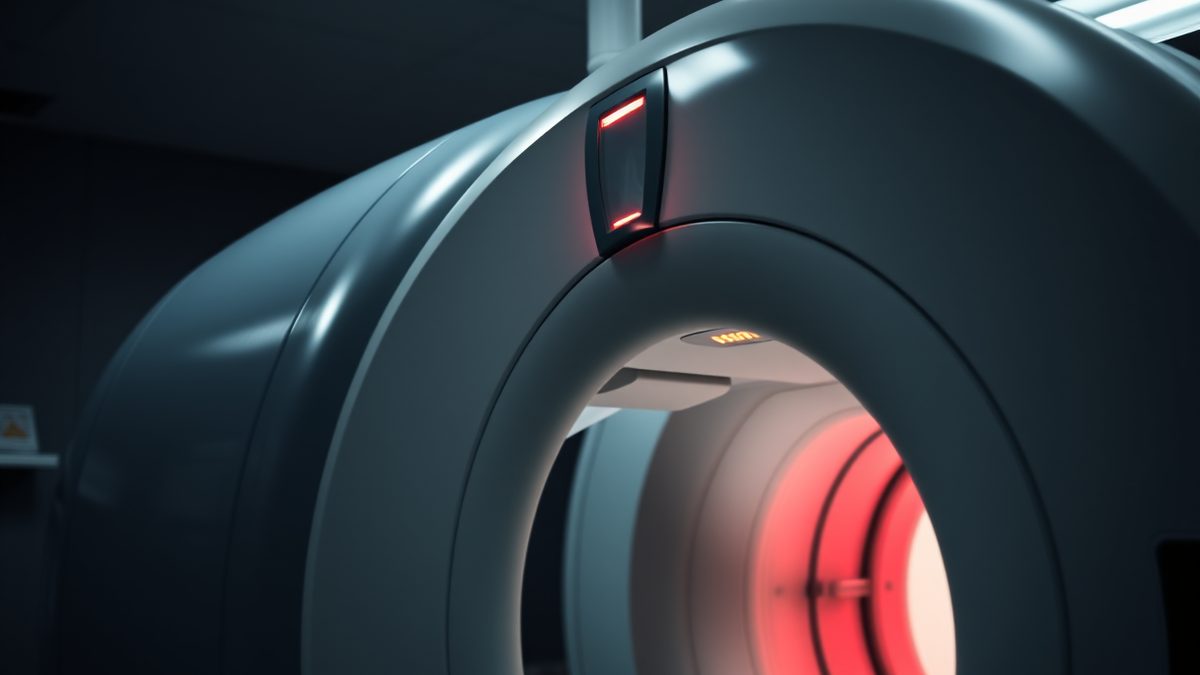
For patients whose MRI after radiotherapy is ambiguous, the scan decides whether they get more treatment or watchful waiting. A tracer that settles that question would change the decision. The FDA has now agreed on how it will test the claim.
The size of the study is the story. A single 280-patient trial is far smaller than the two-trial, 700-plus-patient programmes the company cites for prostate cancer imaging agents. That shortens the road to a registrational filing. It also leaves less margin, because one dataset will carry the whole submission.
One trial, 280 patients
Radiopharm expects the trial to enrol about 280 patients with indeterminate brain metastases from various solid tumour types after previous radiotherapy. Regulators reviewed the Phase 2b data before agreeing to the design.
A single study has two co-primary endpoints. Both measures must clear prespecified performance thresholds for the programme to succeed.
A clinical supply of Fluorine-18-labelled RAD101 will provide the doses. The Siemens Healthineers partnership makes and distributes that supply. Radiopharm signed the supply agreement with the German company in April.
Why an ambiguous MRI is the whole problem
RAD101 is a small molecule that selectively binds fatty acid synthase. Brain metastases from solid tumours overexpress that enzyme. Targeting it may allow more accurate detection of cancer cells in the central nervous system.
Riccardo Canevari, the chief executive, framed the clinical problem directly.
"Accurately distinguishing recurrent tumor from treatment-related necrosis is one of the most important challenges physicians face when managing patients with brain metastases," he said. "This determination has profound implications for patient care, helping clinicians decide whether a patient requires additional intervention and treatment or can be managed with continued observation and surveillance."
In the Phase 2b trial, PET showed tracer uptake in lesions that were equivocal on MRI. That is the gap the Phase 3 programme aims to close.
Radiation necrosis and pseudoprogression can look like tumour growth on a scan. The Fast Track designation cites the unmet need to tell them apart.
The patient pool is large. More than 300,000 people receive a diagnosis of cerebral metastases each year in the US alone. Contrast-enhanced MRI is the preferred imaging method, but it has limitations in follow-up surveillance scans.
The 93% figure behind the design
The Phase 2b trial showed 93% concordance between MRI and PET imaging across all evaluable lesions. It met the trial's primary endpoint.
Concordance measures agreement between the two scans. The Phase 3 endpoints switch to sensitivity and specificity against a defined reference standard.
RAD101 holds FDA Fast Track Designation to distinguish recurrent disease from the treatment effect of brain metastases, including leptomeningeal disease.
From an October meeting to November minutes
Radiopharm said on 17 August 2026 that its End-of-Phase 2 meeting with the FDA would take place on 1 October 2026.
The August statement said the meeting would settle how many patients to enrol, along with primary and secondary endpoints. The 4 November release confirms both.
On 5 October 2026 the company said it had completed the meeting. It expected the agency's official minutes within about 30 days. It said it was already running clinical and operational planning so the programme could move once formal feedback arrived.
The 4 November announcement followed receipt of those final minutes.
What happens next
Radiopharm expects to complete contract research organisation selection in the fourth quarter of 2026. It then plans to initiate site activations and begin dosing patients in the first half of 2027.
Canevari also said the company is evaluating engagement with potential strategic partners as it prepares for registrational development. The company has named no partner.
Sources
16- 01Radiopharm Theranostics Announces Alignment with U.S. FDA on Single Pivotal Phase 3 Trial for RAD101 in Diagnosis of Brain MetastasesEN
- 02Radiopharm Theranostics and FDA Agree on Design of Phase 3 RAD101 Trial for Brain MetastasesEN
- 03Radiopharm Completes Productive End-of-Phase 2 Meeting with U.S. Food and Drug Administration for Pivotal Development Program of RAD101EN
- 04Radiopharm Completes Productive End-of-Phase 2 Meeting with U.S. Food and Drug Administration for Pivotal Development Program of RAD101EN
- 05Radiopharm Theranostics To Meet with U.S. FDA to Align on Pivotal Phase 3 Trial Design for RAD 101 in Diagnosis of Brain MetastasesEN
- 06Radiopharm Theranostics To Meet with U.S. FDA to Align on Pivotal Phase 3 Trial Design for RAD 101 in Diagnosis of Brain MetastasesEN
- 07 Thermal Grizzly launches PhaseSheet PTM Pro with improved thermal conductivity — new thermal pad promises easier installation and better cooling performance EN
- 08Scientists may have finally explained why our brains and bodies are cross-wiredEN
- 09Kids who eat more ultra-processed foods show a troubling brain responseEN
- 10The brain’s hidden fear mechanism may explain anxiety and PTSDEN
- 11Scientists use sound waves to deliver a new attack on deadly brain cancerEN
- 12A single brain signal may explain schizophrenia's most puzzling symptomsEN
- 13Six popular sugar substitutes linked to faster brain agingEN
- 14China joins global race to reawaken brain-injury patients through ultrasound therapyEN
- 15The autistic brain processes faces differently than scientists thoughtEN
- 16How brain implants turn thoughts into speechEN
All figures and quotations in this text come from the sources listed below.
Content prepared by the editorial team with AI assistance.
Sofia Marchetti
Comments
0- No comments yet — be the first.