Spain's tourist office publishes hotel accessibility guidelines at WTM London
The Spanish Tourist Office published “Supporting Choice: Good Practice Guidelines for Accessibility Information for Hotels” at WTM London on 4 November. The guidelines ask hotels to describe accessibility with measurements and photographs, not the word “accessible”, and are not binding.
 Daniel FisherSport, cars and travel
Nothing in the document is binding. Hotels have no certification scheme to earn, no label to display and no deadline to meet.
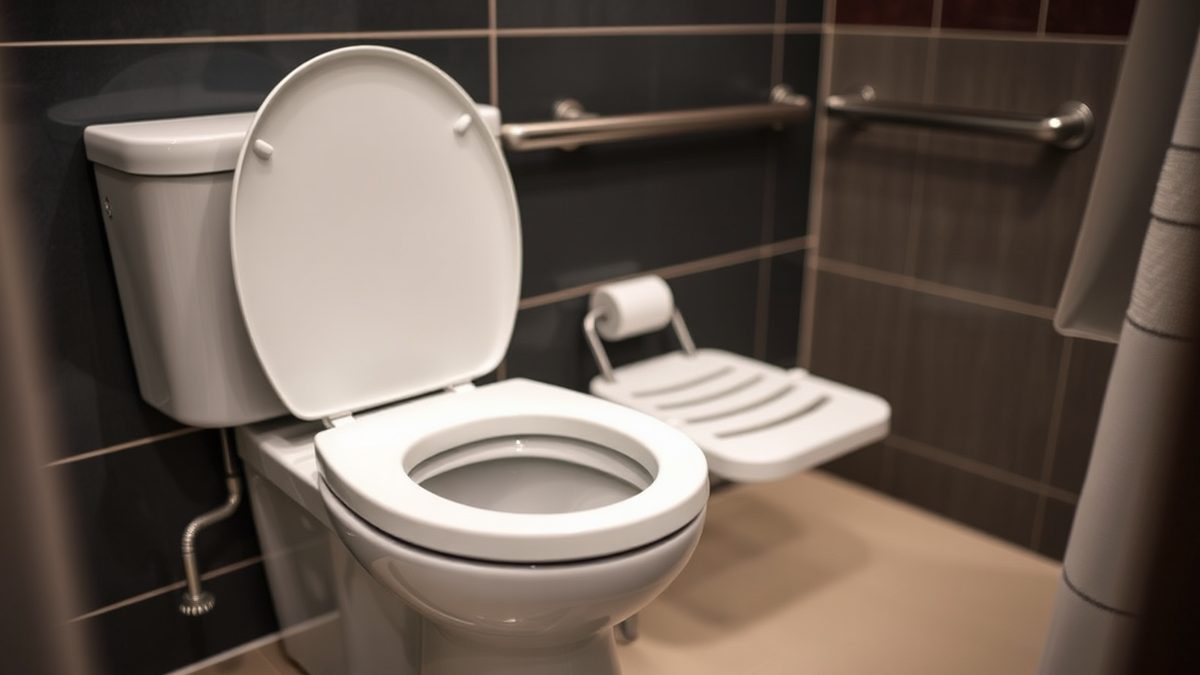
For a disabled traveller, or whoever books on their behalf, the practical change is a move from one word to a spec sheet. The guidelines ask instead for measurements, current photographs and honest descriptions of the room, the bathroom and the route to the pool. A guest can then decide before paying. The only pressure on hotels is promotional. Miguel Sanz, director general of Turespaña, said suppliers that prioritise accessibility will have a better chance of collaborating with its marketing.
What hotels are now asked to publish
The guidelines set out what hotels and operators should publish. They do not sort properties into “accessible” and “inaccessible”.
The guidelines cover the whole stay. That includes arrival, bedrooms, bathrooms, digital booking, emergency planning and staff awareness. The guidelines address neurodiversity for the first time. José Manuel de Juan González is the Spanish Tourist Office's UK director. At the launch he said the report gives hotels in Spain and around the world the tools to communicate how accessible they are.
Why a word is the problem
The diagnosis is blunt. Disabled travellers too often see only the single word “accessible” and must then phone or email the hotel to find out what it means, according to the report.
That gap carries a cost. 42% of people with accessibility requirements said they avoided travelling abroad in 2024/25, the tourist office says. The UK is the largest source market for accessible international travellers to Spain, at 18% of visitors with accessibility needs. Harry Wales, an advisory board member and founder of Travelosophers, described the failure mode. A family arrives. The hotel described as accessible gets them into the room but not to the pool, the restaurant or the beach, he said. Sometimes they cannot use the bathroom at all.
“That isn't a holiday; it's a week of lost independence and dignity,” he said. The report shows hotels what to publish instead. He said they should measure it, photograph it and describe it honestly.
The commercial case behind it
The pitch is commercial as much as social. Estimates put the spending power of disabled people and their households in the UK, known as the Purple Pound, at £446 billion a year. Nearly one in four people in the UK are disabled, according to the report's case for change. Sanz put the argument in market terms. “The core attributes for selling a destination used to be safety, good weather, price, maybe food,” he said. “Accessibility is now one of those attributes, and is equally as important as security to travellers.”
He was equally direct about the incentive. “If a supplier wants that marketing reach, they will have a better chance of collaborating with us if they prioritise accessibility,” Sanz said.
Who wrote the guidelines
The guidelines came out of the Spain for All advisory board. It has met in regular working sessions since 2024. Its members include ABTA, TUI, Enable Holidays, Limitless Travel, Wheelie Good Travel, World Accessible Holidays, TUR4all, Impulsa Igualdad, Travelosophers, Snowball, JourneyEase and Blind Girl Adventures.
Paula Hansen, managing director of World Accessible Holidays and a member of the advisory board, said: “'Accessible' is not a description; 80 centimetres wide is.”
What happens next
The report launched at a press conference at WTM London. The event runs at ExCeL London from 3 to 5 November 2026. Turespaña has already presented the campaign to senior figures from Jet2holidays and On the Beach. Sanz said the response had been “very positive”. The change depends on hotels deciding that clearer information sells rooms.
Sanz framed the goal in broader terms. “Our ambition at the Spanish Tourist Office is to work towards a more inclusive travel industry where no one is left behind.”
Sources
14- 01Spanish Tourist Office launches hotel accessibility guidelines at WTMEN
- 02Spain introduces hotel accessibility guidelinesEN
- 03Accessible hotels in Spain to get marketing boost from TurespanaEN
- 04WTM '26: Accessible tourism emerges as growth opportunity for travel sectorEN
- 05Spain introduces hotel accessibility guidelinesEN
- 06Costa del Sol takes €1 million charm offensive to London in push to attract more Brits - Olive Press News SpainEN
- 07Valencia slashes size of tourist bike tours to 10 people following resident complaints they clog up streets - Olive Press News SpainEN
- 08ACTA and Spain Join Forces to Advance Accessible Tourism in Canada - Travel Market ReportEN
- 09Brits lead Spain’s record tourism boom as visitors spend €114 billion in nine monthsEN
- 10ACTA, Spain Partner on Accessible Tourism Training for AdvisorsEN
- 11Spain tourism sector to exceed EUR 269bEN
- 12Xinjiang presents in Madrid its cultural and tourist wealth and promotes cooperation with Spain - DemócrataEN
- 13Karol G Expands Stadium Tour With Additional U.S. and Spain Shows - TicketNewsEN
- 14Spain's Valencia to limit bike and e-scooter tour groups to 10 people - The Local SpainEN
All figures and quotations in this text come from the sources listed below.
Content prepared by the editorial team with AI assistance.
Daniel Fisher
Comments
0- No comments yet — be the first.