Scientists identify 30-kilogram prehistoric rodent from two fossil teeth in Thailand
Researchers led by Yaowalak Chaimanee identified Yakamys sirindhornae, a 30-kilogram rodent that lived 33 to 35 million years ago, from two fossil teeth found in Krabi, Thailand, in 2004. The study was published on 4 November 2026.
 Sofia MarchettiScience and health
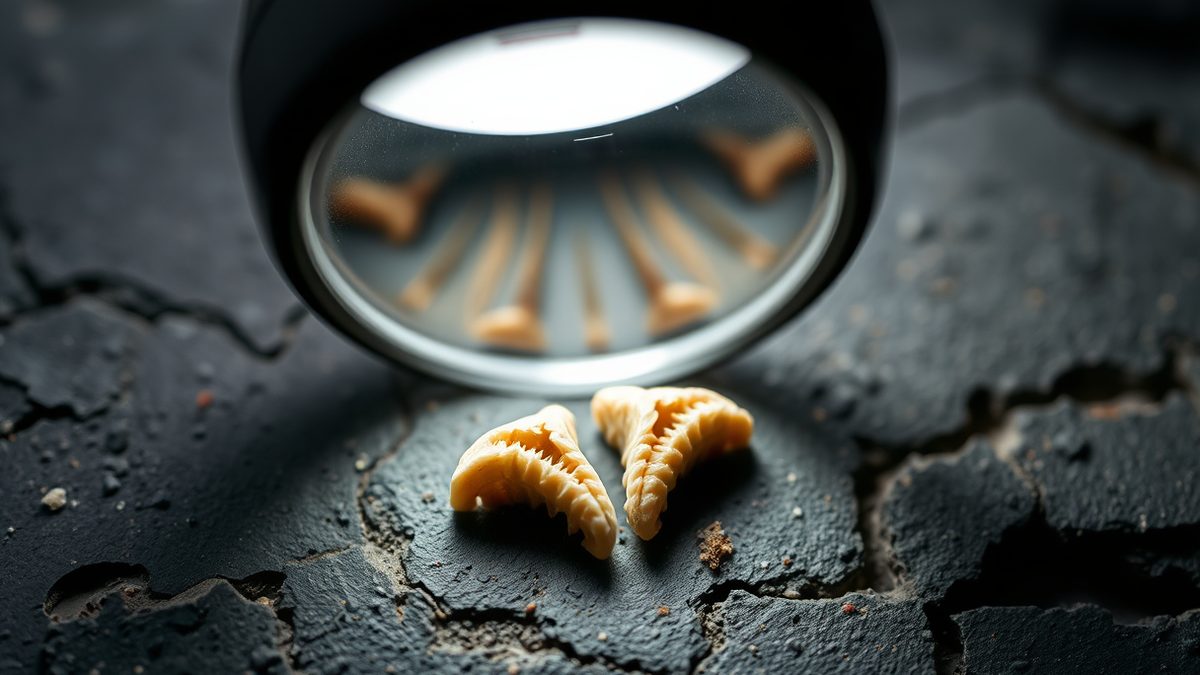
Two teeth from a coal mine
The species rests on a molar and an incisor found at the Bang Mark coal mine in Krabi province, southern Thailand, in 2004. Pannipa Tian, a 51-year-old geologist with the Department of Mineral Resources, found the incisor. The cream-coloured fossil stood out against the dark coal deposits, and another expedition member found the dark molar the same day.
The findings suggest rodents evolved large bodies at least 15 to 20 million years earlier than previously believed. For palaeontologists the interesting part is geographic. Pannipa suggested ancient rodents may have evolved in what is now Thailand before spreading elsewhere.
Researchers from Thailand, France and Canada published the analysis in Scientific Reports on 4 November 2026. The fossils had been collected more than two decades earlier. Yaowalak Chaimanee, a fossil mammal specialist at the French National Centre for Scientific Research (CNRS), led the work with Thailand's Department of Mineral Resources. The teeth date the animal to the Late Eocene and established it belonged to the extinct Ischyromyidae family, one of the earliest major groups of rodents.
At the time of the discovery, the team lacked sufficient evidence and technology to identify the species. The later analysis turned the two isolated teeth into evidence for an animal that adds to scientists' understanding of rodent diversity in the distant past.
The species name honours Princess Maha Chakri Sirindhorn, a supporter of scientific and palaeontological research. Suchart said it is the fifth fossil species to receive a royally granted name.
Why a 30-kilogram rat matters
Suchart Chomklin, the natural resources and environment minister, described Yakamys sirindhornae as the largest rodent yet discovered from the Palaeogene period, which ran from roughly 66 million to 23 million years ago.
The animal weighed around 30 kilograms, roughly half the weight of a large capybara, the world's largest living rodent, according to the researchers. The comparison has limits: the Thai animal belonged to a now-extinct family, not the lineage that produced capybaras. The 30-kilogram figure is an estimate, not a measurement.
Other fossil discoveries have documented much larger rodents. A 2008 report described a one-ton rodent from Uruguay, and a 2003 find estimated at 1,545 pounds was nicknamed "Rat-zilla".
What two teeth cannot say
Pannipa told AFP she first took it for a bone. She showed it to her supervisor, who told her it was a giant rat's tooth.
With only two teeth recovered, researchers do not know what the animal looked like, what it ate or how it behaved. The two teeth remain the only evidence described for this species.
The Krabi basin had already produced fossils of ancient primates, carnivores and hoofed mammals. Pannipa said the find "tells a lot about the diversity of life in the past".
What happens next
The Department of Mineral Resources holds the specimens. The ministry said it would keep supporting fossil research, conservation and public education around Krabi's deposits. Suchart said the find highlighted the scientific importance of Krabi's fossil deposits and demonstrated the contribution of Thai researchers to international palaeontological research.
Sources
11- 0130kg giant rat lived in Thailand 35 million years ago, fossils revealEN
- 02Yakamys sirindhornae: What to KnowEN
- 03Prehistoric 'giant rat' found in Thailand from fossil teethEN
- 04Fossilised teeth used to identify prehistoric 'giant rat'EN
- 05Scientists Identify 66 Pound Prehistoric Rodent in ThailandEN
- 06400,000-year-old teeth reveal a stunning twist in human evolutionEN
- 07 Why does Betelgeuse keep fading? The mystery of Orion's giant star EN
- 08More of the Same Expensive Dependence on Fossil Fuels in TEP and APS 2026 Energy PlansEN
- 09Ancient ape fossil in Egypt could rewrite the story of human originsEN
- 10Leapmotor launches A10 in Thailand, with updated C10 to follow this yearEN
- 11Securing a Global Giant: HKSTP Lands Merck to Power Hong Kong’s I&T AmbitionsEN
All figures and quotations in this text come from the sources listed below.
Content prepared by the editorial team with AI assistance.
Sofia Marchetti
Comments
0- No comments yet — be the first.