Tencent leases 100,000 AI chips from Oracle for $7bn, but that is not a studio buy
Tencent has signed a five-year lease worth about $7bn for roughly 100,000 advanced AI chips from Oracle, the Financial Times reported on 2 October, a deal that says more about how compute is bought than about who owns the studios.
 Naomi FeldmanCulture, food and lifestyle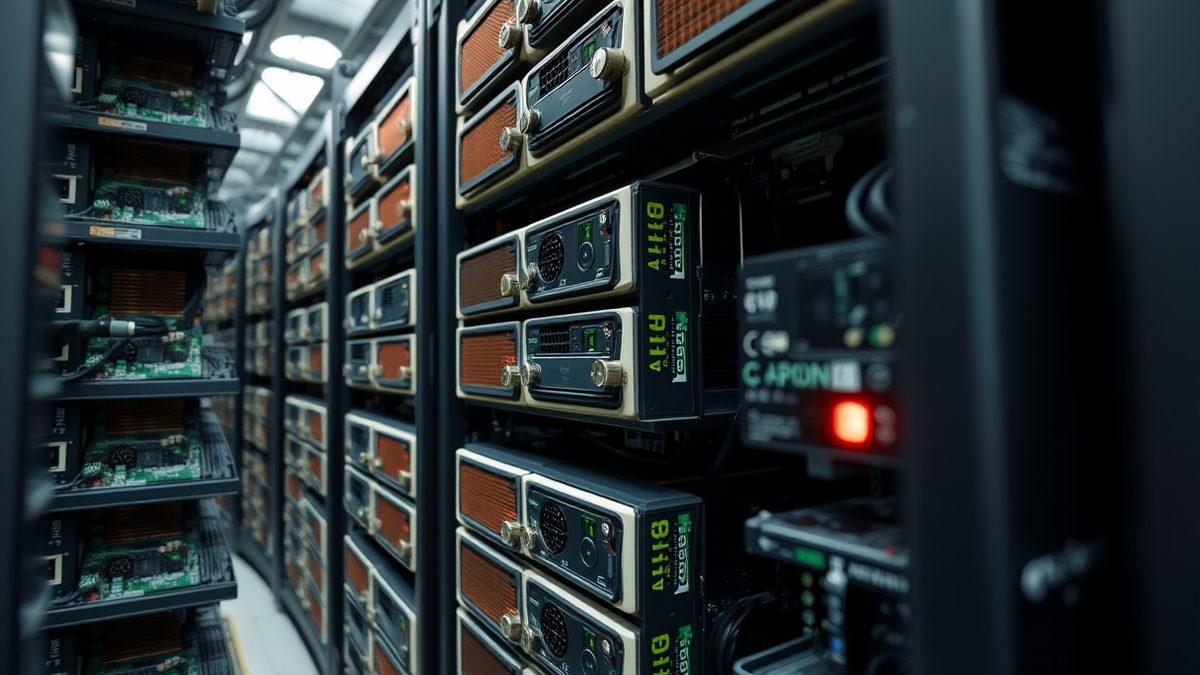
The chips are not available in China, so they sit in several Oracle data centres in South-East Asia, according to the FT report. Tencent is paying about 30% upfront. It is the Chinese company's largest overseas lease arrangement with a US cloud provider, and US export rules permit overseas cloud leases of this kind.
That is the news peg. It is not a studio acquisition, and it should not be filed as one.
How the compute deal actually reads
Executives said the capacity would first train larger Hunyuan models, then run them. Later, Tencent Cloud could rent it out, according to the same report. The FT's Zijing Wu reported the terms. TNW, which carried the story, said it had not independently verified the report, and that should stay attached to the number.
There is a balance-sheet context that matters. Tencent's cash flow turned negative in the second quarter, at RMB 13.8bn ($2.06bn), the first negative figure in more than a decade, per the FT. Chief financial officer John Lo attributed it to heavy AI infrastructure spending and prepayments for compute, DatacenterDynamics reported. Tencent president Martin Lau has said: "We're comfortable in making significant investments in AI because not only is there a substantial upside potential, there is also clear downside protection."
Compare that with how the same money behaves in games. A studio purchase is a one-off capital allocation against an asset you control, and it shows up as goodwill and intangibles. A five-year chip lease is a recurring operating cost against capacity you do not own, for models you may not monetise on schedule. Both can be described as strategic. Only one leaves a balance sheet with a recognisable asset.
Oracle's side deserves a mention too. Oracle shares barely moved on Thursday after the report, Investor's Business Daily reported. They had fallen 29.5% this year going into the day, and Oracle's free cash flow has been below zero for several quarters because of its AI spending, IBD noted. Oracle is spending on data centres more than it earns in a quarter. A $7bn lease, paid 30% upfront, is not a rounding error in that picture.
Meanwhile, the actual studio deals
If the section is acquisitions, the register is elsewhere. Trophy Games acquired Playrion, the Airlines Manager maker, from Paradox for $2.6 million, its largest acquisition to date, as reported by Pocket Gamer.biz and Mobilegamer.biz. Undead Labs became independent after a Splash Damage acquisition fell through. Grasshopper Manufacture split from NetEase after five years. Bose acquired Firelight Technologies, the FMOD developer, to expand into interactive gaming audio.
None of those is a Tencent-scale number. That is the point. The games M&A market in this window is running small, structure-led and often defensive, while the AI infrastructure market is running leases in the billions of dollars. Reading the second as the first produces bad analysis.
There is one live crossover, though, and it is worth flagging. Paramount's merger with Warner Bros. Discovery is set to close on 6 October, with WB Games joining the new company, per Dot Esports. A US judge approved the settlement clearing the $81bn deal, Business Standard reported, and Reuters reported that Paramount got court clearance and named Mattel's Kreiz as co-CEO. The merged company will be known as Skydance, Variety reported on 2 October. That is a media consolidation with a games division attached, not a games company buying another games company, and the distinction should be kept in the copy.
Elsewhere in the dossier, the pattern repeats. Benfica and adidas extended their partnership through 2033 in a deal worth around EUR 120 million, according to a source close to the deal cited by SportsPro, though neither party disclosed the financial terms. Indeed appointed Little Dot Studios to activate its Brentford FC partnership. Rightfiber completed its acquisition of Fastwyre Broadband's Nebraska business, expanding to more than 28,000 route miles of fibre across 20 states. AT&T broadened a multi-year Corning purchase agreement valued at more than $1 billion. Different sectors, same lesson: scale is being bought in infrastructure and rights, not in studios.
Why the distinction survives scrutiny
The Tencent lease is a financial commitment tied to hardware Tencent cannot buy outright and cannot site at home. It is a workaround as much as a bet. Chinese tech groups have rented compute abroad before: ByteDance brought in nearly 75% of Nscale's 2025 sales, the UK cloud firm's filings showed. Tencent also backs Chinese chipmaker Enflame, which nearly tripled in its Shanghai debut in September.
So the honest framing for a culture desk is this. The biggest number in the dossier this week is a chip lease, not a studio sale. The studio deals that did happen are small and mostly unglamorous. If the section wants acquisition coverage, lead with the $2.6m Playrion deal and the Grasshopper split, and treat Tencent's $7bn as context for why games M&A looks quiet by comparison.
Sources
14- 01Tencent leases 100,000 AI chips from Oracle in a $7bn deal, FT reportsEN
- 02Benfica and adidas extend partnership through 2033 in record deal worth reported EUR 120 millionEN
- 03Little Dot Studios appointed by Indeed to activate landmark Brentford FC partnershipEN
- 04Rightfiber seals Fastwyre Broadband dealEN
- 05AT&T expands fiber purchasing deal with CorningEN
- 06EU Parliament president urges Germany to do deal in US drug pricing disputeEN
- 07AstraZeneca, Merck, Novo deals boost Chinese biotech as global interest growsEN
- 08China's biotech firms move up value chain as drug deals evolve beyond licensing: analystsEN
- 09India's Javelin Deal: The Unending Loop of ProcurementEN
- 10BiWin's CL 100 Mini is a particularly puny but potent SSD for portable gamingEN
- 11Grab a huge $520 saving on this RTX 5090 gaming laptop from MSIEN
- 12Apple Mac Studio (M5 Ultra) Review: Unlimited PowerEN
- 13Get Kindle Unlimited free for 3 months with this early Prime Day dealEN
- 14The Best Early Amazon Echo Deals (and the Worst) Ahead of Prime Big Deal DaysEN
All figures and quotations in this text come from the sources listed below.
Content prepared by the editorial team with AI assistance.
Naomi Feldman
Comments
0- No comments yet — be the first.