Poland's inflation could hit 4 percent in September, and fuel is footing the bill
Analysts at Erste Bank Polska expect September inflation to reach 4 percent year on year, up from 3.4 percent in August, with fuel prices up around 10 percent month on month. Rate hikes are back in the baseline scenario.
 Dr. Amara PatelEconomy, business and world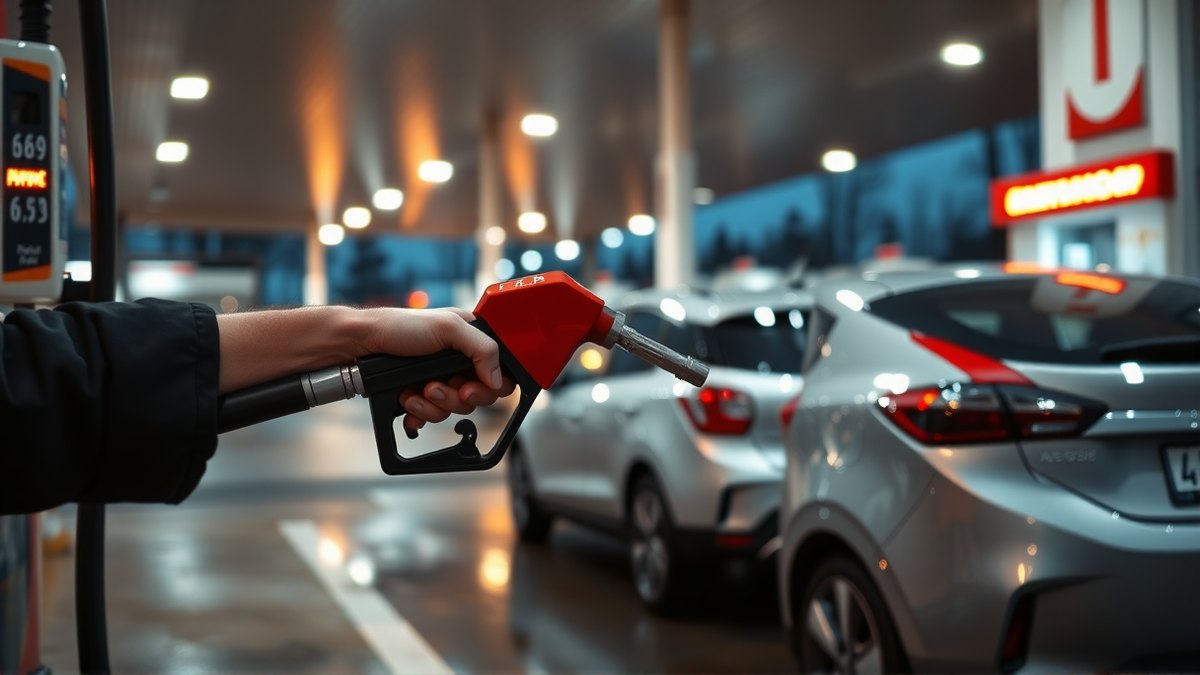
Inflation is at the centre of attention on global financial markets today, analysts at Erste Bank Polska write in a note quoted by Forsal.pl, and it will probably stay there in the coming weeks.
The mechanism here is unusually easy to pin down. Fuel is the main driver of the September price jump. The government withdrew its "Ceny Paliwa Niżej" (Lower Fuel Prices) support programme, and world oil prices rebounded. Together, those two moves pushed fuel up by around 10 percent on average month on month. Without them, inflation might have stayed close to the August level of 3.4 percent. Instead, the September CPI reading most likely climbed to 4 percent year on year.
GUS published its flash estimate for September 2026 on 30 September, so this is a forecast made before the reading, not a measurement result.
The outlook matters more than the number itself. "Such a reading plus the absence of a clear prospect of de-escalation in the Middle East will mean that in the coming months CPI anchors above 4 percent, and may even keep rising," the Erste BP experts assess. If there is no clear reversal of the trend on commodity markets by November, rate hikes by the RPP "will probably move from a risk scenario to the baseline scenario".
This is not a Polish problem alone. In its September report the OECD forecasts headline inflation in the G20 rising to 4.1 percent in 2026 from 3.4 percent in 2025, then falling to 3.6 percent in 2027. In the United States core inflation is to fall from 3.6 to 2.6 percent, in the euro area from 3.0 to 2.9 percent, and in Japan it is actually to rise from 1.8 to 2.6 percent, partly because of a tight labour market and strong growth in nominal wages.
For company and household budgets this brings back a question that seemed settled in 2026: how long will the pressure on energy prices last, and who ends up paying for it.
The mechanism is simple. After the "Ceny Paliwa Niżej" programme ended, the price at the pump returned to the market level, and at the same time oil quotations rebounded. The two effects piling up in a single month give roughly ten percent growth in the fuel basket, which, given its weight in the inflation basket, is enough to lift the whole index by more than half a percentage point.
August closed with a reading of 3.4 percent year on year, so 4 percent in September would be the highest result in many quarters. If the conflict in the Middle East does not fade, inflation could anchor above that level for longer. Then, as the Erste analyses indicate, interest rate hikes would stop being a fallback scenario for the Monetary Policy Council and become the baseline scenario.
The same mechanism operates on a global scale. The OECD estimates that inflation in the G20 will rise to 4.1 percent in 2026 from 3.4 percent a year earlier, and fall to 3.6 percent in 2027. Commodity prices are staying elevated for longer than was assumed just a few months ago, and one of the engines of that demand is investment in computing infrastructure.
Sources
2- 01Inflacja w Polsce może wzrosnąć do 4 proc. Jest nowa prognozaPL
- 02Światowa gospodarka urośnie szybciej, niż zakładano. OECD ostrzegaPL
All figures and quotations in this text come from the sources listed below.
Content prepared by the editorial team with AI assistance.
Dr. Amara Patel
Comments
0- No comments yet — be the first.