Samsung says its 2027 HBM supply is sold out at target prices
Samsung said on its 29 October earnings call that its planned 2027 high-bandwidth memory supply is sold out at target prices. SK hynix said a day earlier that long-term deals cover more than half of its 2027 and 2028 capacity, and Micron said most of its 2027 HBM bit supply is already contracted.
 Grace OkonkwoAI, models and technology
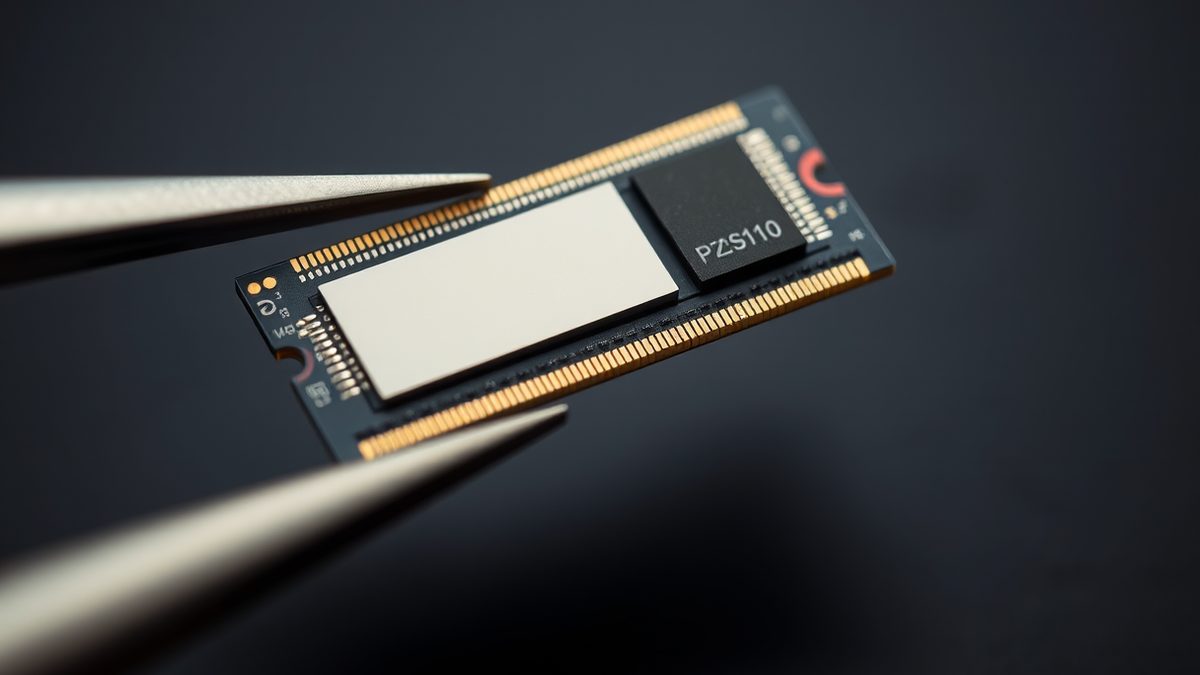
Buyers of AI servers, laptops and phones will keep paying more for memory. IDC research manager Jitesh Ubrani said there is no relief to the shortage before the end of 2027.
What the three suppliers said
None of the three suppliers published volumes or per-gigabit prices for the 2027 allocations, so how much capacity is locked up remains undisclosed. On 29 October, Samsung's third-quarter earnings call said: "Negotiations for our 2027 HBM supply have been completed at prices reflecting our product competitiveness, and the volume is already sold out." It added that it still receives requests from major customers for additional supply. Samsung also wants long-term contracts covering 60% to 70% of its capacity through 2030.
The sell-out covers the planned 2027 allocation at target pricing, not every HBM4 wafer Samsung can make.
SK hynix reported on 28 October that long-term agreements cover more than 50% of its capacity for 2027 and 2028. HBM demand is more than twice what it can supply, it said, and tight memory supply could last through 2030. Micron said on 1 October that the vast majority of its 2027 HBM bit supply was already contracted at prices significantly higher year over year. Samsung's HBM4 sales more than tripled in the third quarter compared with the second.
Why the wafers cannot catch up
IDC expects global DRAM supply to grow just 16% in 2026 and NAND supply 17%, both below historical norms.
HBM4 output is not expected to satisfy demand until about mid-2027. The constraint sits in cleanroom space, packaging lines and the wafer-hungry design of HBM itself, IDC said. The wafer math explains the gap. One 12-inch wafer yields about 300GB of ordinary DDR5 but only about 100GB of HBM3E, because HBM dies are larger and need 12 to 16 stacked layers, according to a BigGo analysis. Samsung expects HBM to consume nearly 30% of global DRAM wafer capacity in 2027, against about 20% now. SK hynix expects 2027 to be the most difficult year for the DRAM market.
Capacity takes years to add. Michael Dell told the Wall Street Journal that a fab takes about four years to build. The Dell chief executive, in an interview published on 16 October, said: "Based on what we can see right now, I think it gets worse in 2027."
Prices already reflect the squeeze
IDC projects total memory revenue will climb from $226 billion in 2025 to $594.7 billion in 2026 and $790.4 billion in 2027. Contract prices tell the same story at the component level. DDR4 8Gb averaged $27.50 in October, up 5.77% from September and about 9.5 times the $2.90 where TrendForce's tracking began in 2016. TrendForce estimates fourth-quarter PC DRAM contract prices will rise another 13% to 18%. Volume is not driving this. The three big makers' shipments grew about 20%, while Micron's DRAM prices rose 180% and Samsung's 220%, according to a BigGo analysis published on 6 November. Micron's fiscal 2026 revenue rose to $133.2 billion from $37.4 billion a year earlier, a surge the company attributed to higher prices. TrendForce analyst Bryan Ao estimated enterprise SSD contract prices rose 55% to 60% as North American cloud providers increased orders. Micron forecasts fiscal first-quarter 2027 revenue of about $61.5 billion.
Who absorbs the cost
Dell ended its second quarter of fiscal 2027 with a $95 billion AI server backlog and $16.4 billion in AI server revenue for the quarter.
Converting the backlog depends on securing the right memory types at the right time, the company said. Smaller buyers have less room. Ubrani said PC makers "will struggle to maintain full product portfolios for the foreseeable future".
What happens next
IDC's tracker has shortages persisting through 2027 and into 2028, with memory, power and advanced packaging as the constraints.
Major manufacturers are expected to meet only about 60% of DRAM demand by the end of 2027. Micron expects tight supply through 2028, with industry DRAM bit shipments growing in the low-20% range in both 2027 and 2028. Most new plants planned by Samsung, SK hynix and Micron were not expected to start operating until 2027 or 2028.
Sources
24- 01Samsung Sells Out 2027 HBM as HBM4 Sales Triple [2026]EN
- 02RAM Shortage: IDC Sees Only 16% DRAM Supply Growth [2026]EN
- 03Micron's Memory Revenue Catches Up to TSMC, but Gross Margin Dragged Down by HBM: Why the Shortage Could Last Until 2028EN
- 04Micron (MU): AI Memory Boom Could Outlast Your ExpectationsEN
- 05Dell CEO Expects Memory Shortage to Worsen in 2027 Despite New CapacityEN
- 06Micron Halts Construction of $4.5 Billion Memory Plant Amid Global ShortageEN
- 07TSMC is weighing a move into AI memory chips at Nvidia's requestEN
- 08Micron Plans $24 Bn Singapore Semiconductor FactoryEN
- 09Micron Expands Memory-Chip Production In Singapore Amid Shortage - Investor's Business DailyEN
- 10Why Micron Is Doubling Down While the HBM Shortage PersistsEN
- 11Micron Halts Construction of $4.5 Billion Memory Plant Amid Global ShortageEN
- 12Ongoing labor dispute sees Micron pause construction at its $4.5bn memory fab in Taoyuan, Taiwan – reportEN
- 13Micron sees demand rising for its ‘Made-in-Singapore’ chips amid AI boom - Singapore Economic Development Board (EDB)EN
- 14AI’s Expansion Hits the Limits of Local PowerEN
- 15 Micron's $4.5 billion Taoyuan plant construction halted amidst labor dispute EN
- 16Scientists discover mysterious “lonely” brain waves linked to memory lossEN
- 17Stoke Space evaluating expansion of Cape site for second Nova padEN
- 18 Micron details ambitious DRAM and NAND roadmap — 3D NAND, High-NA EUV, new materials, and custom silicon makes a comeback EN
- 19Singapore Reveals Five-Year Energy Plan to Feed Data Center, Semicon ProgressEN
- 20More Performance From Every Byte: How Full-Stack Codesign Solves AI’s Memory ChallengeEN
- 21Xen Hypervisor Flaws Let One Malicious VM Read and Write Any Other VM's MemoryEN
- 22What makes Singapore a prime location for semiconductor companies driving innovation? - Singapore Economic Development Board (EDB)EN
- 23Deadly Intel Fab 28 explosion causes two-week shutdown, cost $600MEN
- 24A developer recreated a 1990s 486 PC in JavaScriptEN
All figures and quotations in this text come from the sources listed below.
Content prepared by the editorial team with AI assistance.
Grace Okonkwo
Comments
0- No comments yet — be the first.