Samsung expects to break ground on Asan HBM packaging plant on 12 November
Samsung expects to break ground on Onyang Plant No. 5, an HBM packaging facility at its Asan campus, on 12 November, Sammy Fans reported. The plant is part of a 113 trillion won Chungcheong semiconductor hub plan.
 Rachel NwosuAI, models and technology
Groundbreaking expected on 12 November
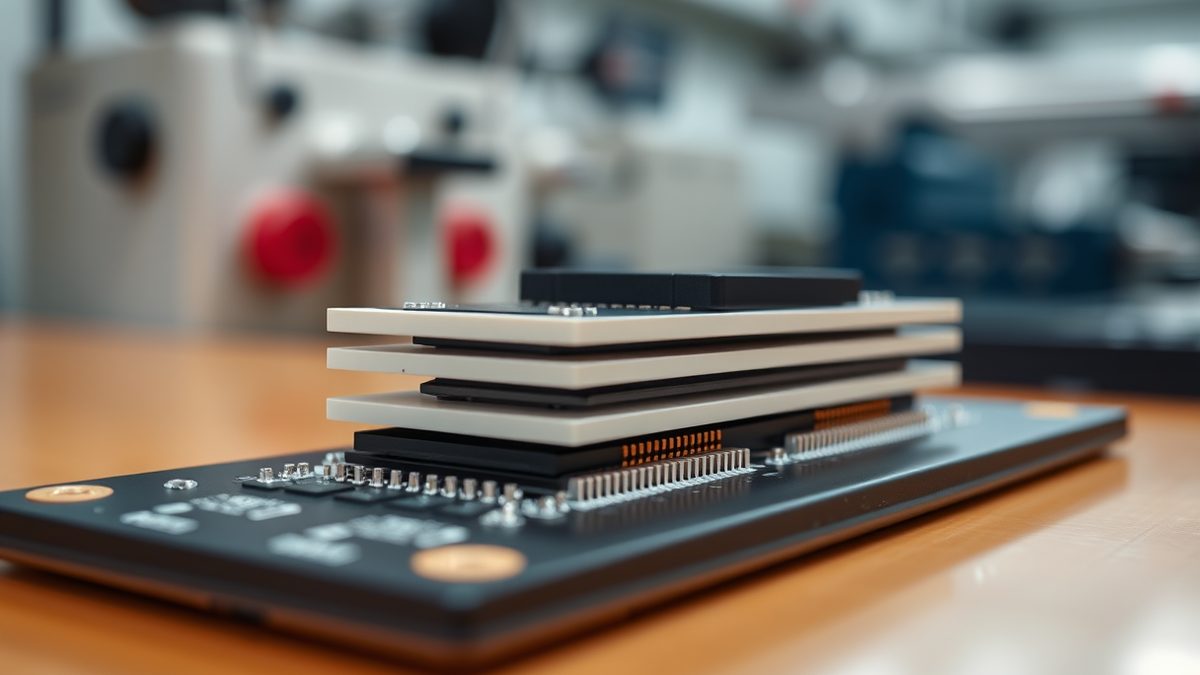
Chairman Jay Y. Lee and Vice Chairman Jun Young-hyun are expected at the ceremony, along with heads of Samsung's other major businesses, Sammy Fans said. The new facility, Onyang Plant No. 5, will focus on HBM packaging. HBM is a high-speed memory chip used in AI systems to process large amounts of data quickly.
The Onyang campus began operations in 1991 and currently handles semiconductor testing and quality checks. After the new plant is completed, total floor space will rise by around 56%, from 270,000 to 420,000 square meters, Sammy Fans reported. Samsung has committed 113 trillion won to develop the Chungcheong region into a technology and semiconductor manufacturing hub. Of that, 46 trillion won is earmarked for HBM packaging facilities over the coming years.
Why packaging is the constraint
Gizmochina reported in September that HBM is Samsung's strongest-performing memory segment, with margins far better than standard DRAM. Samsung's existing packaging plants in Cheonan and Onyang do not have enough room to grow both conventional modules and advanced HBM packaging at the same time, according to the report. Samsung is reallocating floor space and equipment at those sites toward HBM and other AI-related packaging.
That report also said a new KRW 6 trillion (about $4.3 billion) HBM plant at Onyang was set to start construction soon, with full production still a few years away, but did not identify it as Onyang Plant No. 5. Sammy Fans gave no cost or completion date for Plant No. 5.
Freeing space means moving older work out. Samsung has pushed its OSAT partners since mid-2025 to expand DDR5 module and SSD lines, and recently asked them to speed up, Gizmochina reported. Dreamtech is converting its Noida Plant 1 into a memory-module line aiming for more than 50 million units a year. Hanyang Digitech has put over KRW 31.5 billion into new equipment and automation in Vietnam. SFA Semicon in the Philippines is taking over DDR5 testing and assembly gear transferred from Onyang, with operations expected to start in November.
The DRAM dies still come from Samsung's own fabs. Only back-end assembly and packaging go to partners, according to the report. DRAM supply is already tight, which the report says has made it harder to build new PCs, servers, smartphones and laptops.
Demand and next steps
Samsung expects its HBM supply to grow by an average of 52% every year over the next three years, Sammy Fans reported. Wccftech reported that Samsung's procurement of glass carriers, used in DRAM production for HBM assembly, will rise to 50,000 units a month in 2027 from 20,000 now. That follows 10,000 units a month in 2025. Wccftech also reported that Samsung has supplied HBM samples to Nvidia and that media reports say it is looking at its 2-nanometer process for HBM base dies.
Light Reading reported that Samsung's group operating profit reached KRW107.4 trillion ($80 billion) in the third quarter, nearly eight times the level a year before, as AI demand drove a memory chip boom.
The 12 November ceremony is the next dated step. No completion date for Onyang Plant No. 5 has been given.
Sources
25- 01Samsung's plan to boost HBM production with new Asan plantEN
- 02Memory boom carries Samsung to another bumper quarterEN
- 03Samsung offloading DRAM production to allocate factory space to AI memoryEN
- 04Samsung Might Boost HBM4 Chip Production 2.5x by 2027 as Redhot AI Chip Demand ContinuesEN
- 05Micron to invest $24 billion in Singapore plant as AI boom strains global memory supply - CNBCEN
- 06Groq boosts Samsung Foundry output as Nvidia drives Korea inference push - ChosunbizEN
- 07Fujifilm to boost tape production 5x as AI fuels archiving demandEN
- 08Samsung’s Galaxy Z Fold 8 is $300 off ahead of Black FridayEN
- 09 Grab a huge 44% saving on a 4K 43-inch Samsung smart monitor, now under $280 EN
- 10Aldi mischt Postpaid-Markt auf: Neue Tarife mit Samsung und AppleEN
- 11Claimlane bags €5.6M to turn product claims into business valueEN
- 12Virtual power plants can help avoid overbuilt grid if AI boom goes bustEN
- 13“Hay que cambiar el producto, no a los niños”: la izquierda europea plantea otra forma de regular las redesEN
- 14Blue Origin unveils New Glenn GS3 third stage and Northstar booster engineEN
- 15A Michigan utility’s iffy plan to trap CO2 from its new gas plantsEN
- 16Samsung suffers its worst 5G quarter but knows it can outlast rivalsEN
- 17Merge builds product and business tools with OpenAI technologyEN
- 18Flipsnack grows product signups with conversion optimizationEN
- 19Kazakhstan Eyes Ambitious 2035 Goal for 2 Nuclear Power PlantsEN
- 20Li Auto's Mega faces Samsung OLED screen shortage as deliveries reboundEN
- 21Meta strikes deal to help bring a low-carbon cement plant to MissouriEN
- 22Avoiding an uncontrolled reentry; boost Hubble and keep the science – IsaacmanEN
- 23Why Boost Mobile isn't SpaceX's shortcut to an MVNOEN
- 24SpaceX eyes back door to MVNO via Boost Mobile – reportEN
- 25Astranis Upgrades Falcon 9 Launch Contract to Dedicated Mission for Entire Block 4 Production Run of SatellitesEN
All figures and quotations in this text come from the sources listed below.
Content prepared by the editorial team with AI assistance.
Rachel Nwosu
Comments
0- No comments yet — be the first.