South Africa's maize harvest confirmed at record 17.7 million tonnes
South Africa's 2025-26 maize harvest has been confirmed at a record 17.7 million tonnes, the Crop Estimates Committee's ninth estimate showed, giving the country a supply buffer as an El Niño threatens the crop farmers are now planting.
 Dr. Amara PatelEconomy, business and world
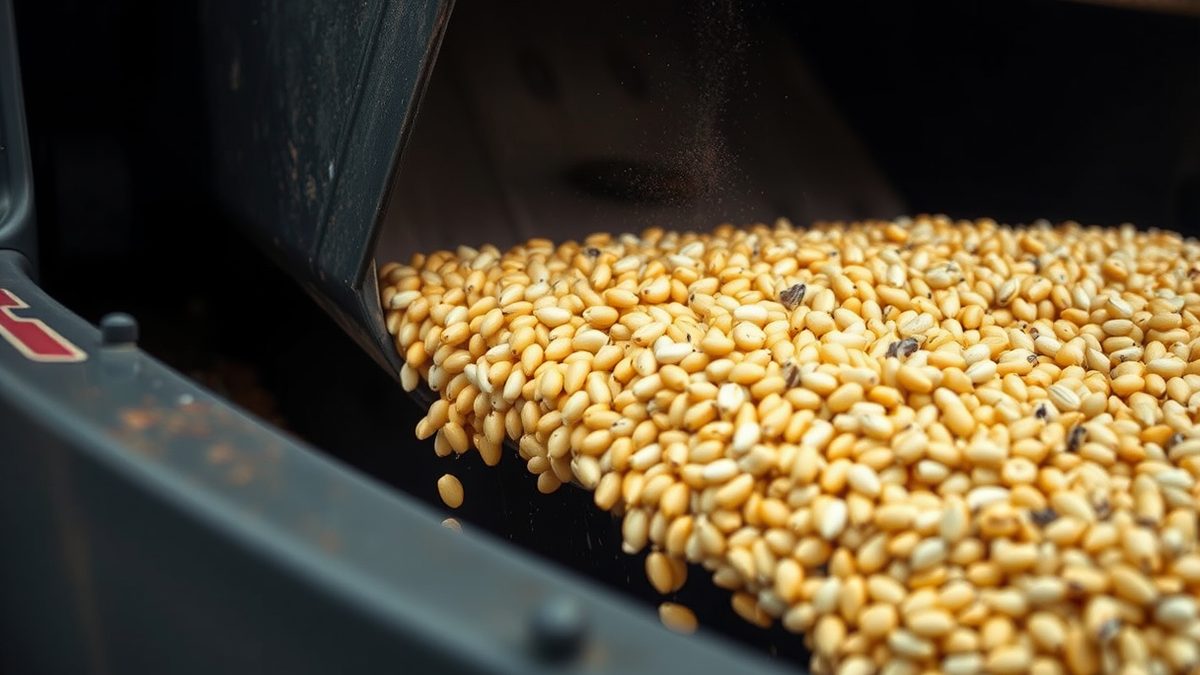
The committee raised its production estimate by 1% from September in its ninth estimate for the season, putting the harvest 6% above the previous year's crop. Stocks at the start of the season stood at about 2.4 million tonnes. Annual domestic maize consumption is roughly 12 million tonnes. Wandile Sihlobo, chief economist at the Agricultural Business Chamber of South Africa, said the country enters the coming drought risk period in a far stronger position on grain supplies than it otherwise would be.
El Niño threat to the next crop
Forecasters expect the current El Niño to peak towards the end of 2026 and last through at least February 2027. It is ranked among the most intense on record, with a drier, hotter summer expected into the first quarter of 2027. El Niño usually brings below-average summer rainfall to southern Africa and raises drought risk, which means poorer maize harvests across a region where maize is a staple.
The South African Weather Service warned the event could become the strongest El Niño in living memory. Sea surface temperature anomalies are already above the 2°C threshold that defines a very strong event, and forecasts point to a possible breach of 3°C. The last comparable event, in 2015-16, brought heatwaves and one of the worst droughts in the region's recorded history and pushed Cape Town towards Day Zero in 2017-2018.
Farmers plant 4.5 million hectares
In an intention-to-plant survey released on 27 October, farmers said they intended to plant 4.5 million hectares of summer grains and oilseeds in 2026-27. That is 2% less than the previous season but in line with the five-year average. The survey covers white and yellow maize, sunflower seed, soybeans, groundnuts, sorghum and beans. Maize area is expected to fall by more than other crops as some farmers shift acreage to alternatives considered more drought-tolerant or less input-intensive.
Soil moisture is favourable in many areas after an extended 2025-26 rainy season and extra rain in September 2026. Some farmers planted earlier than usual to use it before conditions dry out. Higher fertiliser and fuel costs add to the risk, though farmers do not appear significantly deterred, according to Sihlobo's reading of the committee data.
The wider summer grains and oilseeds crop reached 20.3 million tonnes in 2025-26, only marginally down from the second-largest harvest on record the year before.
Prices ease as harvest grows
Prices have eased as the scale of the harvest became clear. White maize traded at about 3,700 rand per tonne and yellow maize at about 3,800 rand per tonne on 30 October, both below levels of more than 4,000 rand per tonne a month earlier.
Maize is a staple and an animal feed input. A smaller local crop can reach shoppers through maize meal and poultry prices. In good years South Africa exports both white and yellow maize; in bad years it imports and pays the international price of the day. White maize is mainly sold to countries in Africa and yellow maize to markets outside the continent.
How drought reaches prices
A study by agricultural economists of daily US and South African maize futures prices from 1997 to 2024 found that the two markets generally moved together over the long run. Volatility was more persistent during both El Niño and La Niña events. During El Niño droughts, South Africa produces less maize, leaving buyers competing for a smaller supply. That can push local prices up even if maize stays plentiful and prices steady in the US.
Traders can move prices before any shortage appears: if they expect drought and poor harvests, maize prices may rise in advance. Importing adds shipping and other costs, which can reach the price consumers pay for maize meal.
Poor harvests in neighbouring countries could add pressure, particularly in markets with less irrigation capacity. Recent harvests have replenished grain stocks, soil moisture is relatively high and dams are reasonably well supplied. That could soften the initial impact of poor rainfall, according to portfolio manager Mike Townshend and analyst Dhersan Chetty, writing in an investment analysis published by Bizcommunity. Those buffers would offer less protection if drought conditions persisted.
What happens next
Sihlobo said supply through the first quarter and part of the second quarter of 2027 will depend mainly on the record 2025-26 harvest already in storage. The crop now being planted sets supply from the middle of 2027 onward. Prices are expected to firm as the season progresses and demand from the wider southern African region increases, according to his analysis.
Sources
14- 01Record South African Maize Harvest Offers Buffer Against Looming El NiñoEN
- 02Super El Niño: how it could affect South Africa's maize pricesEN
- 03South Africa: Super El Niño - How It Could Affect South Africa's Maize PricesEN
- 04El Niño risk puts SA's food prices and FMCG margins in focusEN
- 05Southern Africa Is Being Warned Twice And Should Listen Both TimesEN
- 06Super El Niño How It Could Affect South Africa's Maize PricesEN
- 07October 2026 good for PV Production in Europe, but South of France and Ukraine missoutEN
- 08Israel Is Destroying the Machinery South Lebanon Needs to RebuildEN
- 09From tanks to drones: South Korea’s defense firms face a new battlefield testEN
- 10The Politics of Pandemic Preparedness: Why South and Southeast Asia Need a Stronger VoiceEN
- 11Xpeng launches GX and G9L in 11 countries each across Middle East and AfricaEN
- 12A mysterious 4,000-year-old wall is rewriting North Africa’s historyEN
- 13I Hate Online Waiting RoomsEN
- 14Tencent targets Southeast Asia as launch pad for AI agent WorkBuddy amid tough local marketEN
All figures and quotations in this text come from the sources listed below.
Content prepared by the editorial team with AI assistance.
Dr. Amara Patel
Comments
0- No comments yet — be the first.