UT Austin wearable sleep study points to exercise's effect on REM latency
A University of Texas at Austin study tracked 82 young adults with a wrist-worn activity tracker and a smartphone app over several months. Physical activity lengthened REM latency, the time it takes to enter REM sleep.
 Sofia MarchettiScience and health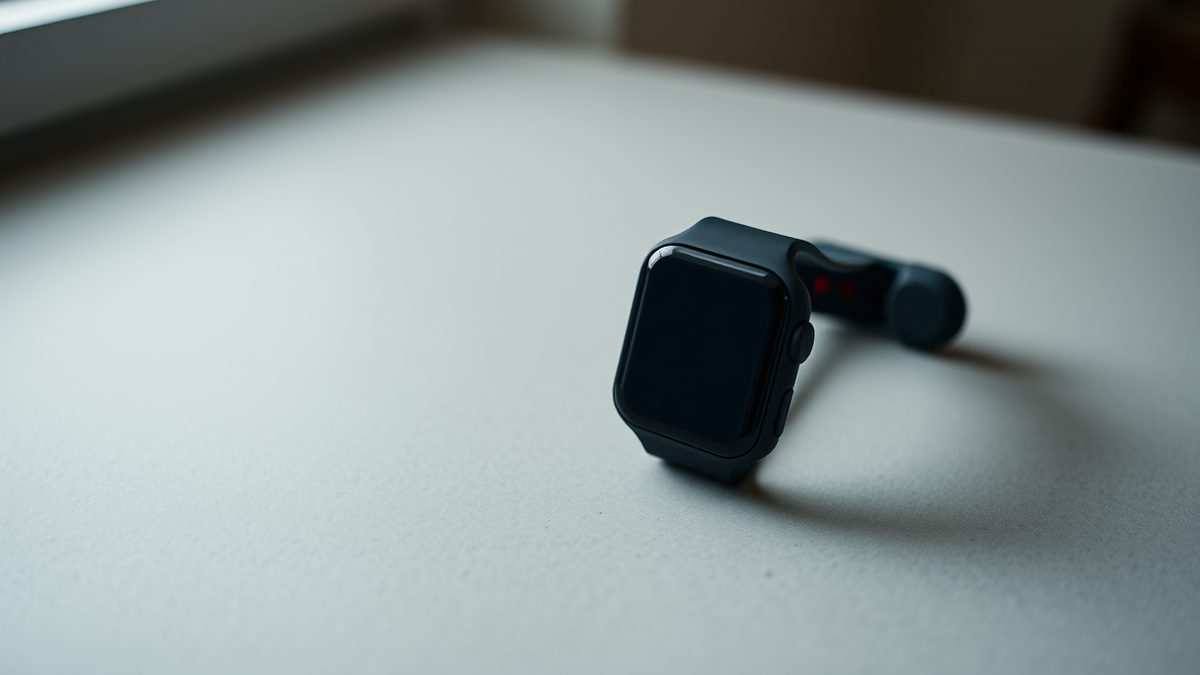
The study, published in Nature Scientific Reports, set out to test in daily life what sleep labs had only shown over single nights. According to UT Austin, the research team used a wrist-worn activity tracker to record movement and heart rate, from which periods of deep (NREM) sleep, REM sleep and physical activity were derived. A separate smartphone app collected self-reported well-being data.
Physical activity lengthened REM latency. That may mean exercise helps consolidate deeper sleep stages before the brain shifts into REM, the stage tied to vivid dreams. The university's write-up notes that the study replicated several lab findings: low-intensity and moderate-to-vigorous activity were linked to deeper, more restorative sleep, and better sleep was in turn associated with more energy and less stress the following morning.
Why the method matters
Until now, the dossier says, studies of this connection had been conducted in lab settings and drew conclusions from a single night's sleep. The UT Austin team argues that design limits generalizability. "You can learn a lot from lab studies, but obviously there are limitations to studying the sleep patterns of individual participants in just one night," said Benjamin Baird, a research assistant professor of psychology and one of the authors. "It's an unfamiliar, clinical-type setting, which can be stressful. And you can't really look over time, either. So, there are always questions about generalizability from that kind of design."
By contrast, the wearable approach monitored participants continuously across weeks or months, letting researchers examine how differences in sleep architecture relate to perceived well-being. Sleep architecture refers to the structure of each 90- to 120-minute sleep cycle: three stages of non-REM sleep (light, deep and deepest NREM) plus REM, which makes up roughly the final 25% of each cycle.
David M. Schnyer, a co-author and chair of the Department of Psychology, framed the device choice as the study's practical advance. "We've shown using a standard Fitbit that anyone could wear, not even an expensive scientific device, that it is actually sensitive to these sorts of sleep architecture measures, and in a way that's showing predictive results," he said. "The world is your oyster now. You can use this device to study all manner of different sleep architecture data related to lifestyle, related to mood and mood disorders, in the field, not in a lab, that people might have thought was not possible previously."
The study emerged from a pilot conducted as part of Whole Communities-Whole Health, a grand challenge research program at UT Austin that takes an interdisciplinary approach to how health care data are collected while engaging communities and participants in the research process. That context matters for how the results should be read: 82 young adults is a small sample, and the wearable's sleep staging is inferred from movement and heart rate rather than measured directly by electrodes. The dossier does not report effect sizes, confidence intervals or the study's exact duration.
What the work does provide is a template. If a consumer-grade tracker can pick up sleep architecture signals that predict next-day mood and energy, as the authors claim, then the lab is no longer the only place such questions can be asked.
Sources
1All figures and quotations in this text come from the sources listed below.
Content prepared by the editorial team with AI assistance.
Sofia Marchetti
Comments
0- No comments yet — be the first.