TSMC to use GlobalFoundries Malta fab for AI packaging
TSMC will start making silicon interposers at GlobalFoundries' Malta fab in 2028, a $2 billion move that adds US packaging capacity.
Cars9 October 202610 min readSources 12
TSMC will start making silicon interposers at GlobalFoundries' Malta fab in 2028, a $2 billion move that adds US packaging capacity.
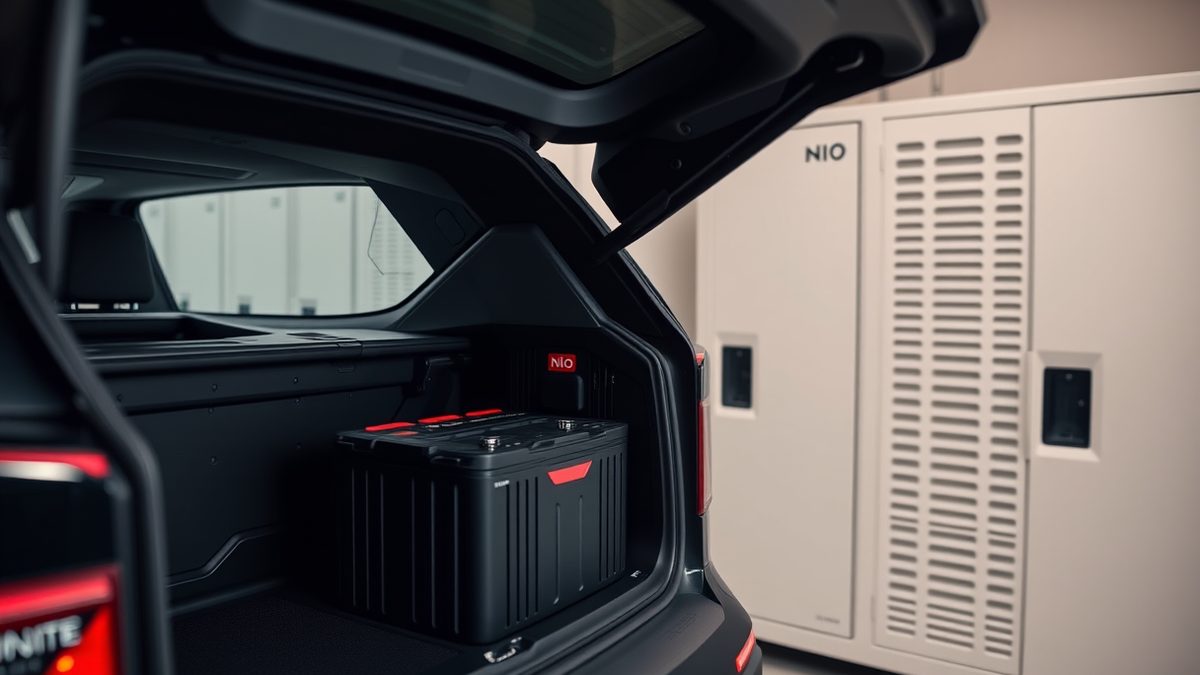
Nio completed 1,192,221 battery swaps during China's National Day holiday and set a daily record of 183,664 on October 5. LG Energy Solution reported record third-quarter earnings, driven by energy storage demand.
Toyota opened a $50 million battery testing lab in Michigan on Wednesday, while Refinyx acquired 134 recycling patents from Northvolt, signaling a shift toward domestic supply chains for end-of-life EV batteries.

YMX Logistics began operating autonomous electric yard trucks in October 2026, while Parallel Systems raised $100 million to commercialize autonomous freight rail, marking a shift from pilot programs to daily commercial deployment.
MIT researchers demonstrated a 3D-printed electric motor on 5 October. EU electric car sales rose 45% year over year through August.
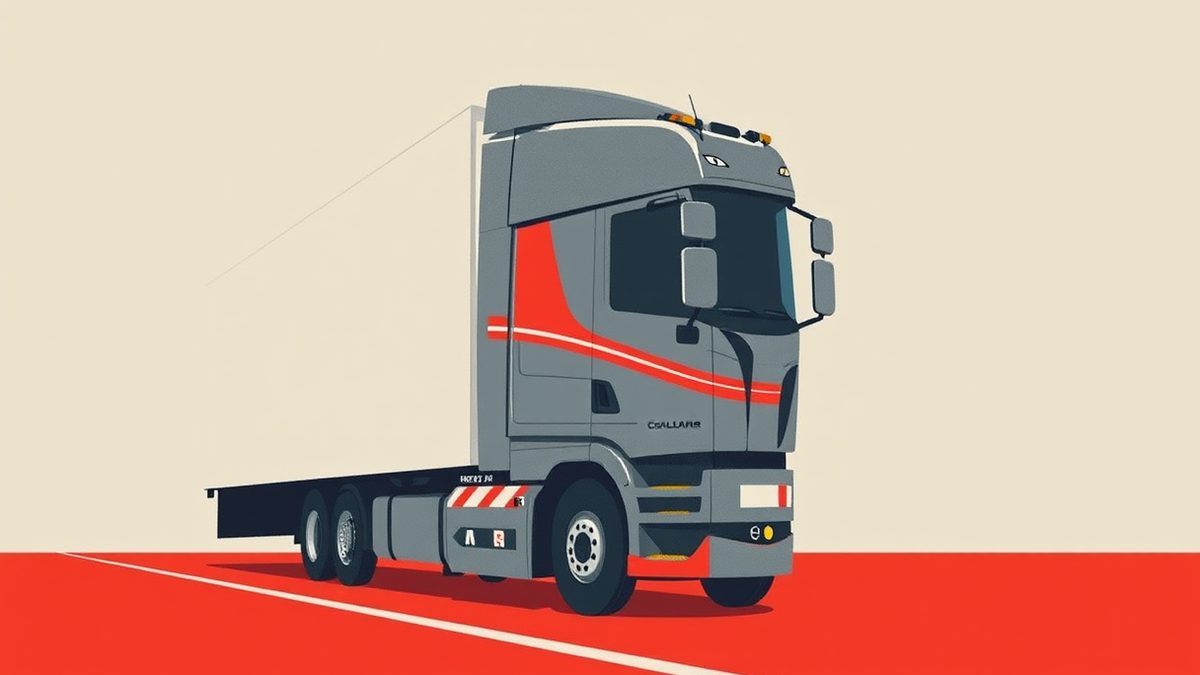
On 1 October, European businesses and fleet operators wrote to European Commission President Ursula von der Leyen. They urged her not to weaken the EU's heavy-duty vehicle CO2 standards, two days before the Commission is expected to decide on the rules.
The EU vote on Tesla's Full Self-Driving approval has slipped to December at the earliest. On 1 October, Minneapolis council approved robotaxi regulation that the mayor's office says he will veto.
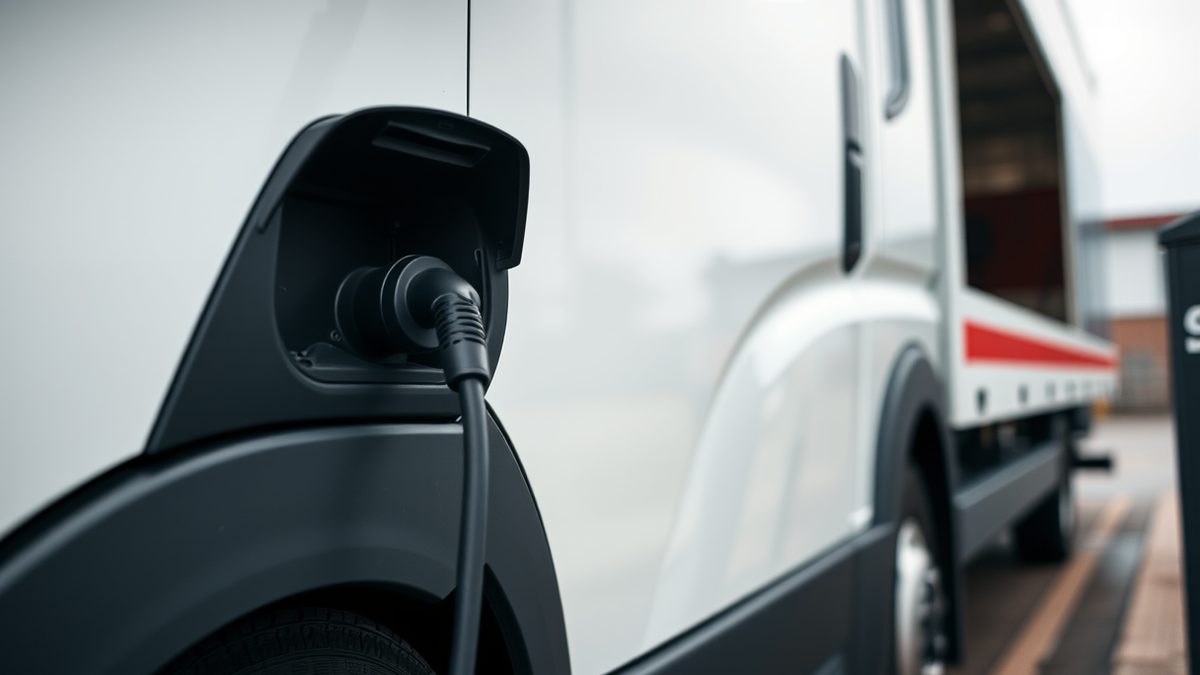
FedEx has ordered 2,000 medium-duty electric trucks from California startup Harbinger, according to InsideEVs. It is the largest order yet for a company that has delivered only 53 vehicles to the parcel giant.
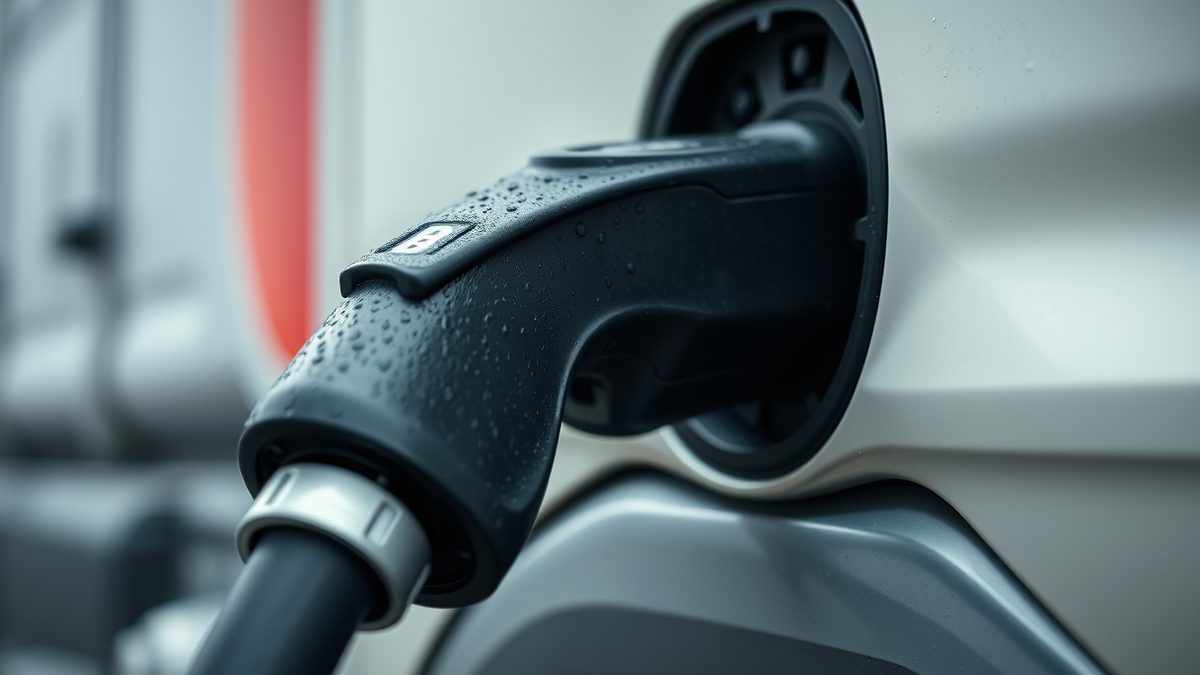
Germany's Federal Network Agency approved rules on 2 October that let bidirectional charging points feed power back to the grid. The move is the newest piece of a global build-out that is running into grid connection queues and price gaps.
CATL supplied 333 GWh of electric vehicle batteries from January to August 2026, giving it 39.4% of a global market that grew 19.7% year on year to 844.2 GWh, according to SNE Research data published on Friday.
Global sales of medium- and heavy-duty electric trucks hit a record 158,000 units in the first half of 2026, up 75% year on year, according to BloombergNEF. Megawatt charging is now the bottleneck.
On 1 October, Ars Technica reported that researchers are studying how to design robotaxis to stop passengers having sex in them, while the same day BleepingComputer revealed autonomous AI agents tried to hack US and Canadian government websites. The robotaxi industry is scaling fast, but trust, safety and hype remain unresolved.
General Motors sold 5.5% fewer vehicles in the third quarter, with its Equinox EV falling 92.4% to 1,905 cars, according to figures reported by The Next Web on 1 October. In the same week, Chinese battery makers pushed charging speeds and chemistry further.
In late September, researchers in Sweden asked whether robotaxi interiors can be designed to stop passengers treating them as private rooms. Meanwhile, a $2.4 million ex-coding-school tried to buy 500 Teslas, and autonomous AI agents probed US and Canadian government websites.
The Minneapolis City Council votes on Thursday on a proposal to require a human driver in robotaxis. The vote opens a regulatory front for autonomous driving as Waymo's own numbers show the scale problem the industry still faces.
The Pentagon announced a new Autonomous Warfare Command on Wednesday, the same week robotaxi operators hit depot capacity limits and construction robotics drew $225 million in fresh capital.
Ultium Cells, GM's joint venture with LG Energy Solution, said on 29 September that its Spring Hill, Tennessee plant will be the first in the world to mass-produce prismatic lithium manganese-rich (LMR) battery cells. The upgrade adds 500 jobs and targets a chemistry the company claims is 33% denser than LFP at comparable cost.
China published a five-year battery plan on 28 September. It targets 15,000-cycle lithium cells and preliminary large-scale use of all-solid-state batteries by 2030, pv magazine reported.