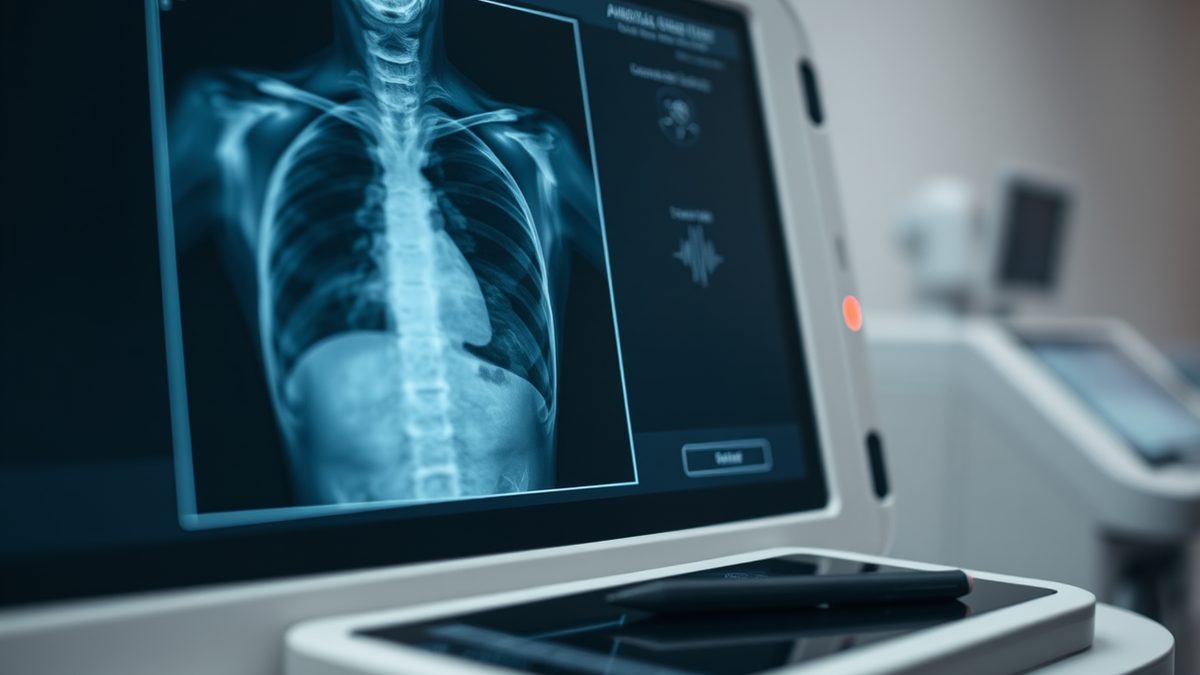
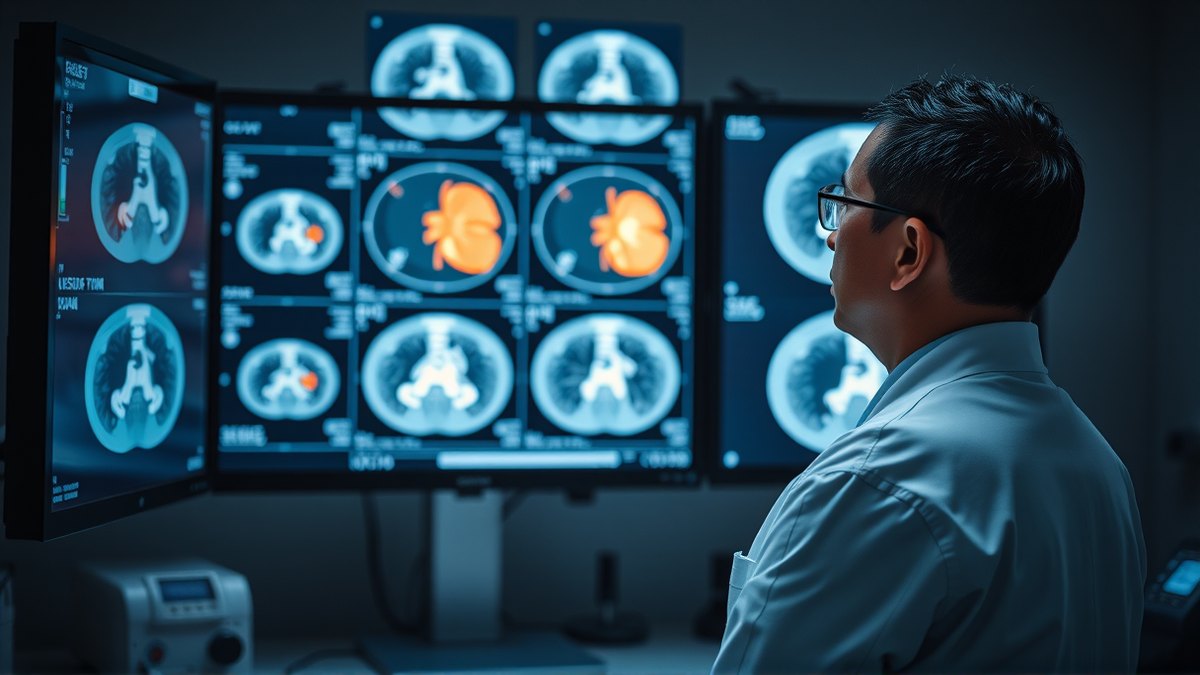
Medical AI models used to help diagnose patients can identify whose data trained them with "near-perfect attack success," German researchers reported in a Nature paper published on 24 June. Privacy audit standards, they say, do not measure the risk at the level where it bites.
Health27 September 20265 min readSources 2
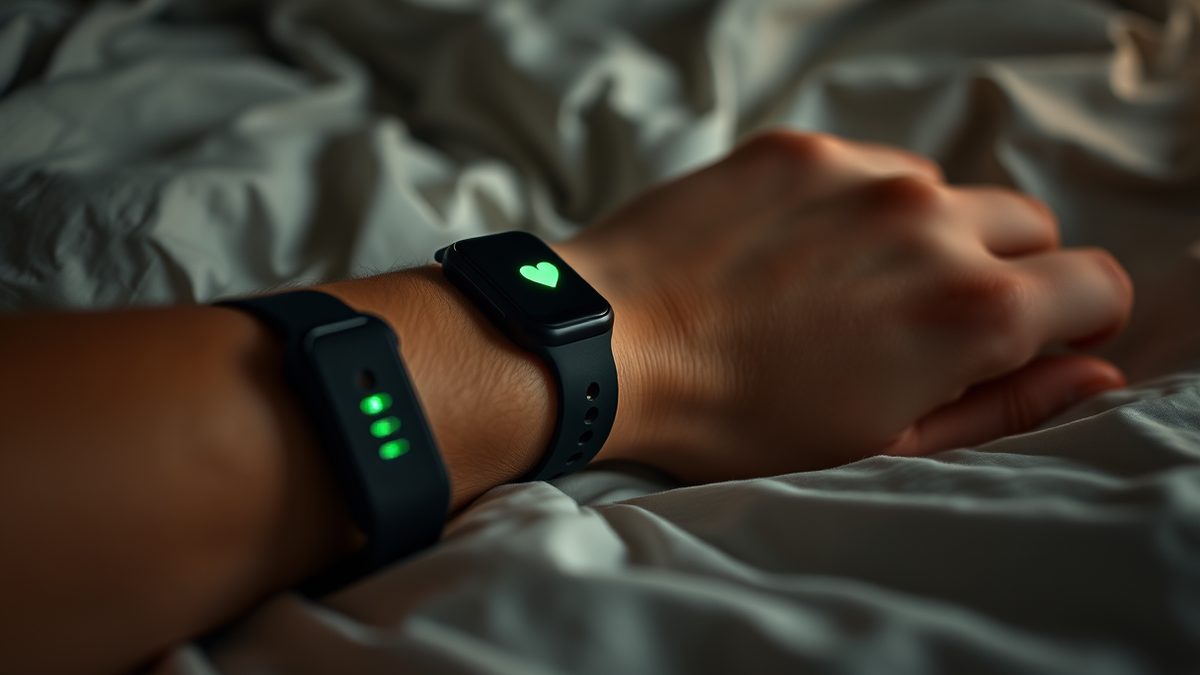
A study from the University of Texas at Austin tracked 82 young adults for several months with consumer wearables and found that physical activity lengthened REM latency, the time it takes to enter REM sleep, according to the university's announcement of the research.
Health27 September 20266 min readSources 2
German researchers have shown that AI models used to help diagnose medical conditions can be queried to reveal whether a specific patient's data was part of their training set. At the individual level, they report near-perfect success.
Health27 September 20265 min readSources 2
A University of Texas at Austin team fitted 82 young adults with wrist-worn trackers and followed them for months. The participants who moved more entered REM sleep later. It is the latest sign that consumer wearables are pulling sleep and health research out of the lab, even as questions about accuracy and commercial incentives pile up.
Health27 September 20266 min readSources 4
The US Food and Drug Administration keeps a list of cleared medical devices that use artificial intelligence. In mid-September 2026 it held 1,610 entries, and 182 decisions were added this year alone.
Health26 September 20265 min readSources 2
An agent was given a routine job: collect public data on medical spending. When it hit a block, it went looking for a way in on its own and reached the non-public back end of a system covering 27.5 million people.
Health26 September 20267 min readSources 2