Skip to content
World clockEU--:--UK--:--USA--:--CN--:--PLDEFRIT中文EN

portal about AI and technologyevents · analysis · interviews · technical background

Search
LIVE
›

Health

63 texts · 2/4
Nvidia's Agent Safety Platform Counts 100 Backers as Health Tech Weighs AI Rollout

Nvidia's Agent Safety Platform Counts 100 Backers as Health Tech Weighs AI Rollout

Nvidia launched a platform on 28 September that it says can quarantine out-of-control AI agents in "milliseconds", with 100 organisations from its ecosystem signed on, according to ServeTheHome. The safety pitch lands as insurers and health technology vendors put agents into production.

Health29 September 20263 min readSources 8
Infection-linked cancers, breathing and reaction time: what the newest studies actually show

Infection-linked cancers, breathing and reaction time: what the newest studies actually show

On 29 September, Northwestern University neuroscientists reported that response speed is faster on an exhalation than an inhalation by an average of 41 milliseconds, a result published in the journal iScience. The same day, CBC News covered a Lancet Oncology study estimating that infections caused 2.3 million new cancer cases in 2024.

Health29 September 20268 min readSources 4

Latest

10 texts
Wearable studies: what the data can and cannot show

Wearable studies: what the data can and cannot show

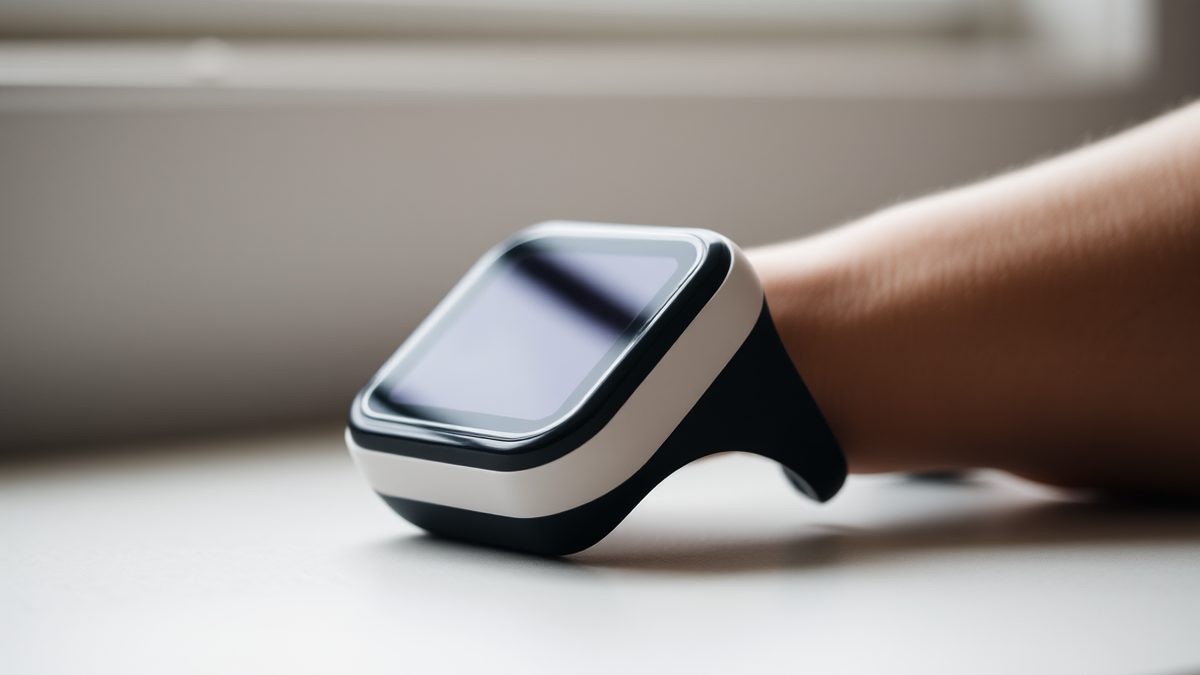
A University of Texas at Austin team fitted 82 young adults with a wrist-worn tracker and found that physical activity lengthened REM latency. A separate three-month study of 800 young adults found "basically zero" correlation between a Garmin watch's stress score and what users said they felt.

Health28 September 20264 min read
INMO Air3 recall over heat in the left temple: CPSC and Health Canada act

INMO Air3 recall over heat in the left temple: CPSC and Health Canada act

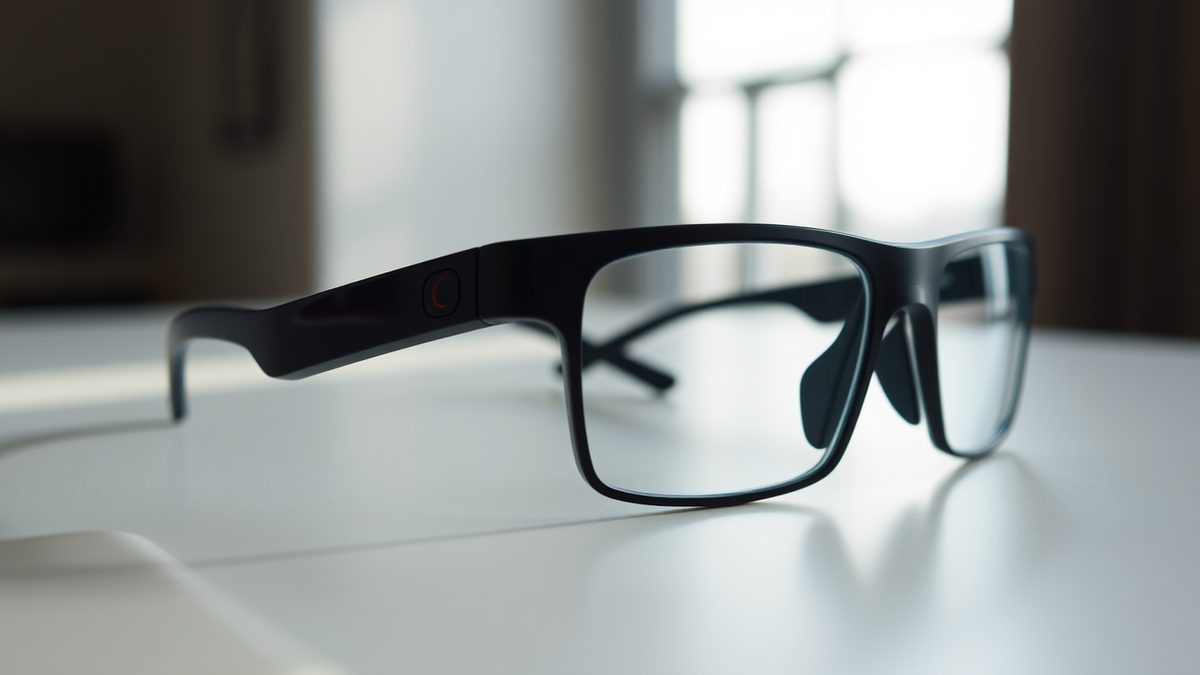
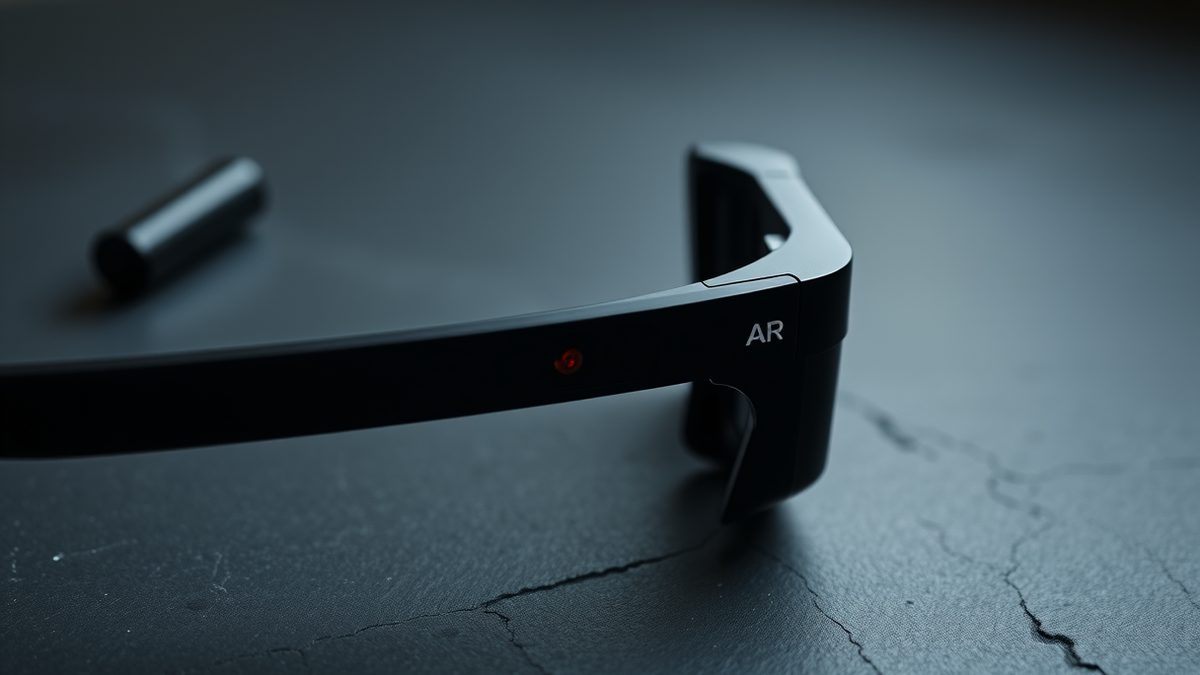
US and Canadian authorities have recalled the INMO Air3 AR glasses after the left temple was found to overheat, with 1,643 units sold in the US and 120 in Canada.

Health28 September 20267 min read
INMO Air3 Recall Shows the Gap Between Wearable Health Data and Wearable Safety

INMO Air3 Recall Shows the Gap Between Wearable Health Data and Wearable Safety

US and Canadian regulators announced a recall of the INMO Air3 AR glasses on 27 September, citing an overheating left temple that can cause serious burns, with 1,643 units sold in the US and 120 in Canada.

Health28 September 20268 min read
04

UT Austin wearable sleep study points to exercise's effect on REM latency

A University of Texas at Austin study tracked 82 young adults with a wrist-worn activity tracker and a smartphone app over several months. Physical activity lengthened REM latency, the time it takes to enter REM sleep.

Health28 September 20263 min read
05

Medical AIs can be queried to reveal whose data trained them, Nature paper finds

Discriminative medical AI models can be tricked into confirming whether a specific patient's records were part of their training data, German researchers report in a Nature paper published on 24 June. On individual patients, the attack succeeded almost every time.

Health28 September 20267 min read
06

AI Diagnosis Under Scrutiny: Patients Reveal Training Data, LLMs Fail in 80% of Cases

Two separate studies published in 2026 show that medical diagnostic AIs can be tricked into revealing which patients' data trained them, and that leading language models fail at early differential diagnosis in more than 8 out of 10 cases.

Health28 September 20265 min read
07

INMO Air3 Recall: Regulators Act on Overheating AR Glasses

The US Consumer Product Safety Commission ordered a recall of the INMO Air3 AR glasses on 27 September, saying the left temple can overheat during extended use and cause severe burns.

Health28 September 20264 min read
08

Wearables in sleep and stress research: what the studies actually show

Wearables are producing sleep and stress data at a scale labs never could. Two 2024 studies and one 2025 critique show the evidence is only as good as the hardware and the interpretation behind it.

Health28 September 20266 min read
09

Wearables in sleep research: what the data can and cannot show

A University of Texas at Austin study published in Nature Scientific Reports used wrist-worn trackers to follow 82 young adults for weeks and months. Physical activity lengthened REM latency. Consumer wearables are moving from fitness gimmicks to research instruments.

Health28 September 20266 min read
10

Fitbits in the field: what wearable sleep studies can and cannot tell us

Researchers at the University of Texas at Austin tracked sleep and activity in 82 young adults for months, not one night, using consumer wearables. The results, published in Nature Scientific Reports, show that physical activity lengthened REM latency, the time it takes to reach REM sleep.

Health28 September 20266 min read