Skip to content
World clockEU--:--UK--:--USA--:--CN--:--PLDEFRIT中文EN

portal about AI and technologyevents · analysis · interviews · technical background

Search
LIVE
›

Health

63 texts · 3/4
Medical AI can name the patients it trained on, researchers find

Medical AI can name the patients it trained on, researchers find

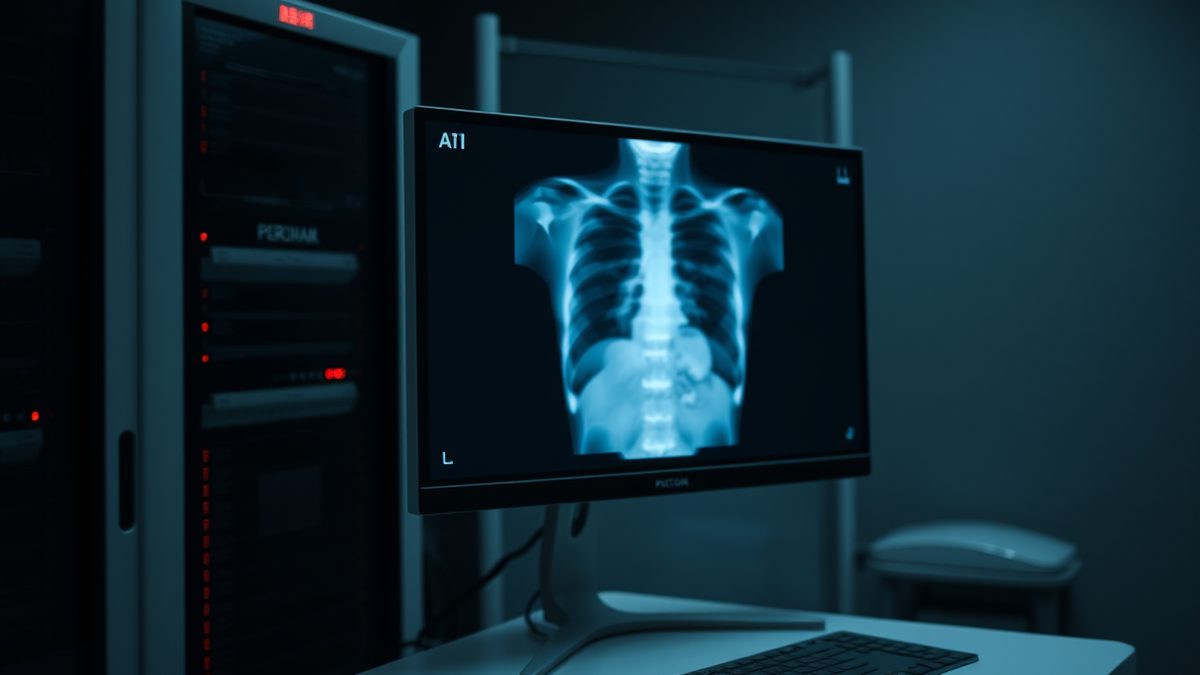
Medical diagnosis AI models can be tricked into revealing whether a specific patient's data was used to train them, German researchers reported in a Nature paper published on Wednesday, with near-perfect success on individual patients. The finding lands as the FDA, the EU and the WHO are still writing the rules for how these devices get audited.

Health27 September 20266 min readSources 4
Wearables turn homes into sleep labs, but accuracy limits persist

Wearables turn homes into sleep labs, but accuracy limits persist

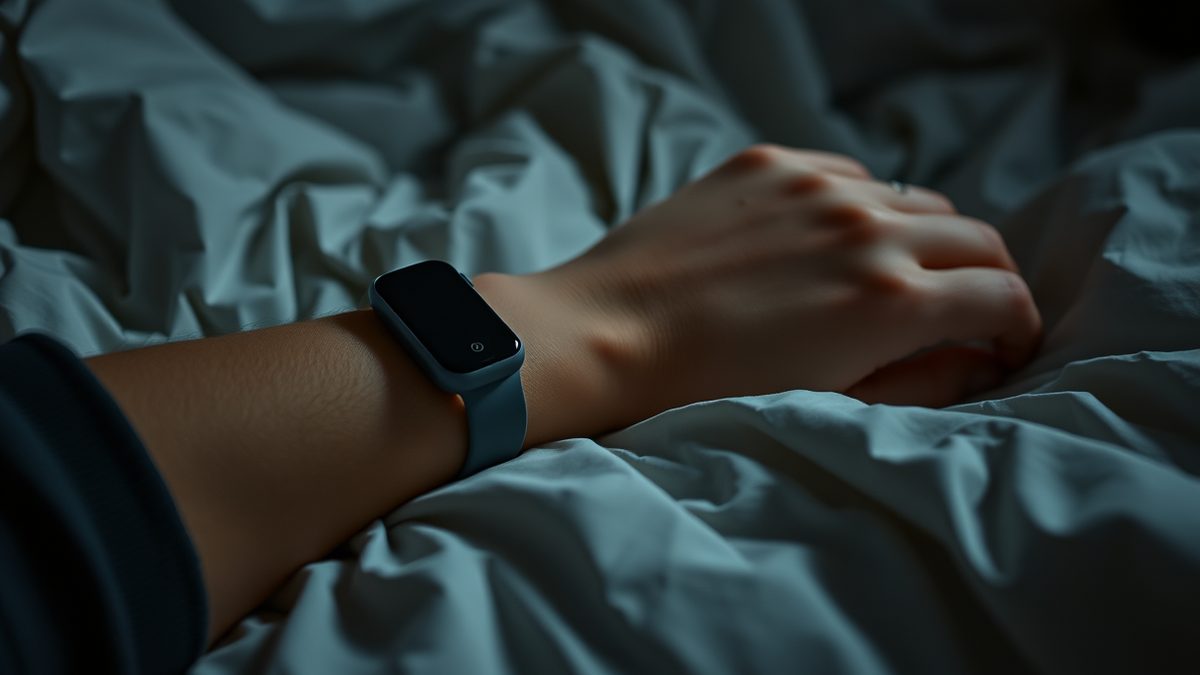
A University of Texas at Austin study tracked 82 young adults with wrist-worn wearables for several months and found physical activity lengthened REM latency, offering the most reliable validation to date of the link between exercise, sleep quality and psychological health.

Health27 September 20265 min readSources 3
Medical AI privacy audits miss patient-level leaks, Nature paper finds

Medical AI privacy audits miss patient-level leaks, Nature paper finds

Discriminative medical AI models can be queried to reveal whether an individual patient's data was used to train them, with "near-perfect attack success" at the individual level, according to a Nature paper published Wednesday and reported by The Register.

Health27 September 20264 min readSources 2
Medical AI regulation: what the research actually shows about diagnosis tools

Medical AI regulation: what the research actually shows about diagnosis tools

Medical AI models used for diagnosis can be tricked into revealing whether a specific patient's data trained them, German researchers reported in Nature on 24 June 2026. A separate Microsoft system claimed 85.5% diagnostic accuracy against doctors. Regulators are still catching up.

Health27 September 20266 min readSources 4
Latest

10 texts
Wearables Move Sleep Research Out of the Lab, but the Evidence Is Still Young

Wearables Move Sleep Research Out of the Lab, but the Evidence Is Still Young

Sleep trackers worn at home can detect changes in sleep architecture that researchers once needed a laboratory to see, according to a University of Texas at Austin study published in Nature Scientific Reports.

Health27 September 20264 min read
Wearables shift sleep and heart research from the lab to the bedroom

Wearables shift sleep and heart research from the lab to the bedroom

A University of Texas at Austin study of 82 young adults used a standard Fitbit to show that physical activity lengthens REM latency, the clearest sign yet that consumer wearables can capture sleep architecture outside a clinic.

Health27 September 20267 min read
Wearables Turn the World Into a Sleep Lab, but Accuracy Claims Still Need Checking

Wearables Turn the World Into a Sleep Lab, but Accuracy Claims Still Need Checking

A University of Texas at Austin study published in Nature Scientific Reports used Fitbits to track 82 young adults for months, finding that physical activity lengthened REM latency. It is the latest sign that consumer wearables are moving from novelty to research instrument, even as questions about their precision remain.

Health27 September 20264 min read
04

EU AI Act Compliance and Medical Diagnosis AI: What the Rules Actually Say

Medical diagnosis AI is being sold faster than regulators can audit it. Three recent studies point to the core problem: the models are hard to check, hard to secure and hard to quantify.

Health27 September 20265 min read
05

Wearables Turn the World Into a Sleep Lab, and Insurers Are Watching the Bill

Hospitals that use AI tools to file insurance claims added $942 million in healthcare spending over two years, according to an analysis by the Blue Cross Blue Shield Association. The same wearable sensors that wire the world for sleep research are now feeding cost disputes.

Health27 September 20264 min read
06

Wearables Turn Everyday Life Into a Sleep Lab

A University of Texas at Austin study published in Nature Scientific Reports fitted 82 young adults with wrist-worn trackers and followed them for months. Physical activity lengthened REM latency, and better sleep went with more energy and less stress the next morning.

Health27 September 20263 min read
07

What a Fitbit Can and Cannot Tell Researchers About Sleep

A University of Texas at Austin study published in Nature Scientific Reports used a standard Fitbit to track 82 young adults over several months. It found that physical activity lengthened REM latency, the time it takes to enter REM sleep.

Health27 September 20265 min read
08

Medical AI privacy audits miss what matters most: individual patients

Diagnostic AI models used in medicine can be tricked into revealing whether a specific patient's data was part of their training set, and German researchers say the standard way those models are audited for privacy fails to catch it.

Health27 September 20265 min read
09

Wearables Turn the World Into a Sleep Lab, but the Evidence Is Uneven

A University of Texas at Austin study used wrist-worn trackers to show that physical activity lengthens REM latency, the time it takes to enter REM sleep. The finding rests on 82 young adults, and it lands in the middle of a much larger, messier shift in how sleep research gets done.

Health27 September 20265 min read
10

What a UT wearable sleep study actually measured, and what it did not

A University of Texas at Austin study put wrist trackers on 82 young adults and followed them for months. Physical activity lengthened REM latency, the time it takes to enter REM sleep. That is the most concrete result in a wearable health study that otherwise raises as many questions as it answers.

Health27 September 20263 min read