Over 100 countries issue e-visas, but airlines still cannot check them
IATA says verifying digital visas at check-in costs carriers an average of USD 9,000 for every passenger turned away at the border.
 Daniel FisherSport, cars and travel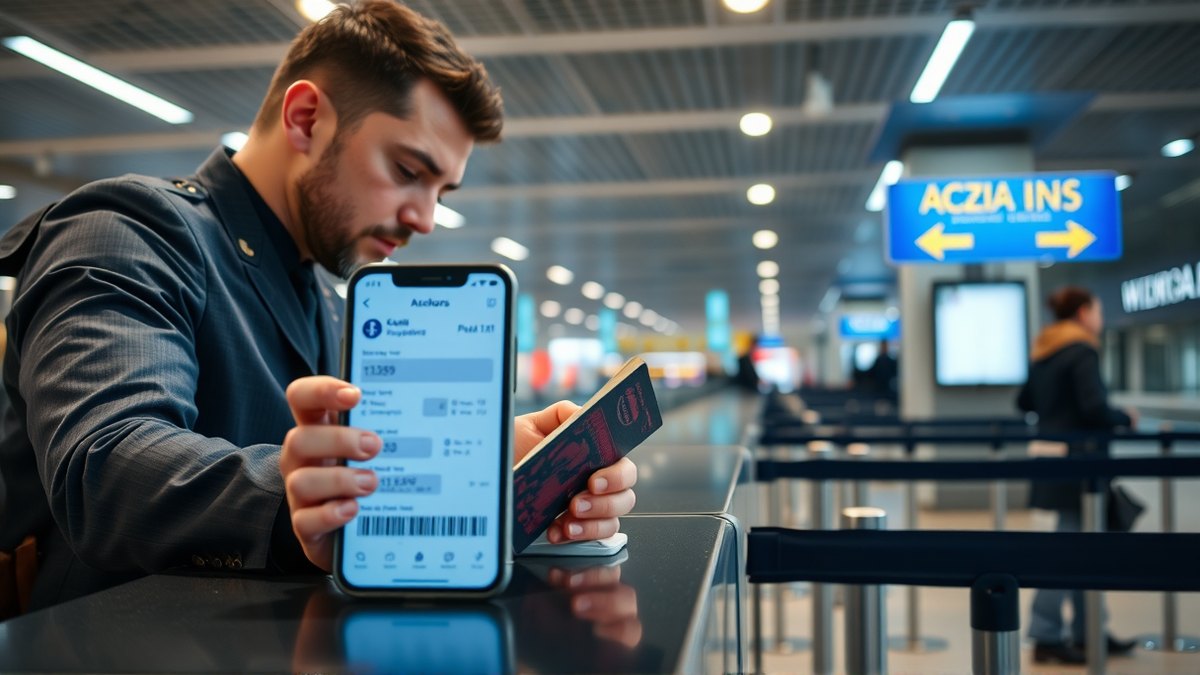
More than 100 countries now issue electronic visas. The systems meant to verify them at the airport cannot keep up. IATA makes that point in an opinion piece the organisation published. Its author is Harry Grewal, IATA's director for airports, infrastructure and passenger experience.
The problem is costly and very concrete. If a passenger boards with an invalid document, the airline pays an administrative fine and covers the cost of flying them back. That comes to about USD 9,000 per person on average. Checking a visa at check-in is therefore a financial matter for the carrier, not just a service one.
Fewer than 30 countries in the iAPI system
The standard that could solve the problem is Advance Passenger Information (iAPI), which sends passenger data to authorities before a flight. IATA data shows fewer than 30 countries use it. Where it operates, document compliance is up to 20 times higher than with manual checks.
IATA points to a second tool as well: Digital Travel Authorisation in the ICAO standard, a digitally signed, standardised proof of permission to enter. An airline could read it automatically, the same way it reads a passport with a chip.
What is missing
The organisation lists three conditions, and without them digital visas will not work. The first is that visa confirmations match international standards. The second is bringing airlines into work on the programme before it launches. The third is integrating verification into the check-in process, so the data is checked automatically rather than in a separate form on a government website.
The problem is structural. The decision to let someone into a country belongs to the state, but the financial consequences of a mistake fall on the carrier. The airline has no access to government visa systems, so at check-in it has to rely on the document the passenger shows.
Hence IATA's demand: states should make the visa confirmation available in a format that can be read automatically and compared with the data sent through iAPI before boarding.
The topic also comes back at industry conferences. At IATA's World Passenger Symposium and World Financial Symposium in Macau, digital identity, biometrics and border and baggage handling were placed in one of the three main blocks of the programme, alongside sales and distribution and financial services.
The scale of traffic shows why this is not a niche problem. In 2026 airlines are expected to carry 5,085 million passengers, 118 million more than a year earlier. Each of them must hold a valid document, and every mistake at check-in costs the carrier thousands of dollars.
Sources
2- 01IATA — Your visa is digital, but can the airline check it?EN
- 02IATA — World Passenger and Financial Symposium, MakaoEN
All figures and quotations in this text come from the sources listed below.
Content prepared by the editorial team with AI assistance.
Daniel Fisher
Comments
0- No comments yet — be the first.