Doubao moves to subscriptions: 68, 200 or 500 yuan a month
ByteDance's assistant, the most popular AI app in China, has added three paid tiers alongside a free basic version. Behind the move sits a bill nobody wants to show in public: the cost of serving 120 trillion tokens a day.
 Rachel NwosuAI, models and technology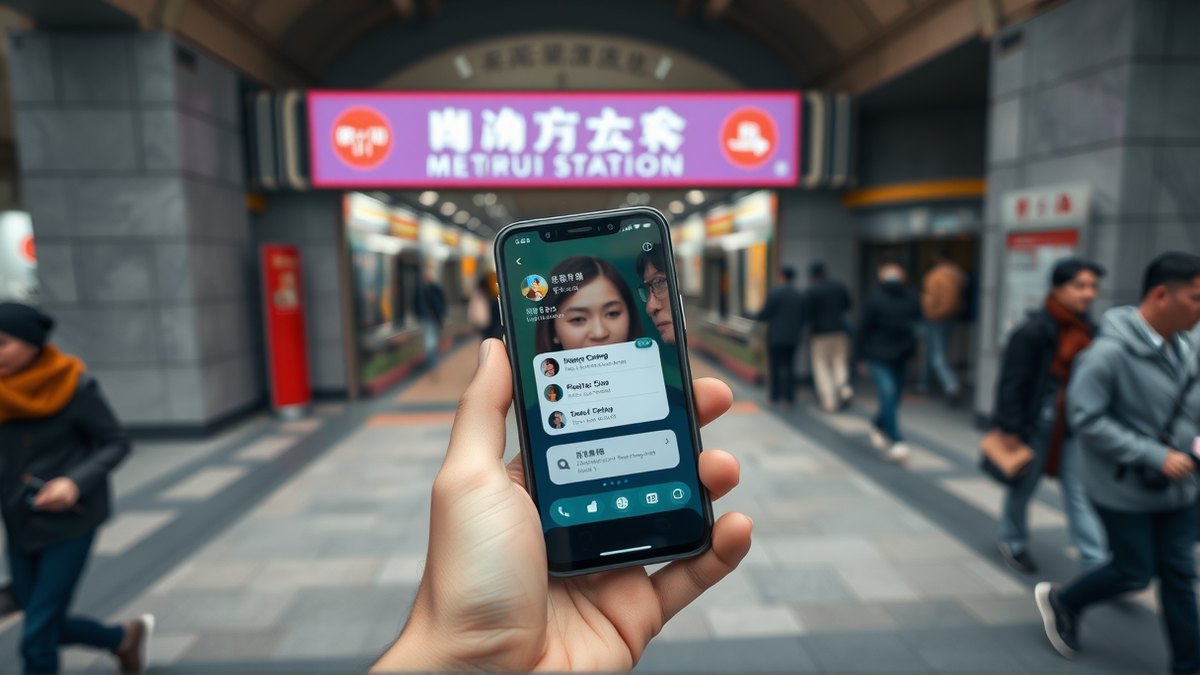
ByteDance says Doubao, its AI assistant and the most widely used app of its kind in China, is getting a professional version with three forecast tiers: 68, 200 and 500 yuan per month, roughly 37, 110 and 275 zloty. The basic version stays free, with no limit on usage time.
The news drew an immediate reaction. A Weibo thread about the paid Doubao subscription passed 330 million views. Users split into two camps. Some saw the fee as natural, since customers of ChatGPT or Kimi already pay for similar setups. Others said they would switch to a competitor.
Why free stopped paying off
The reason is arithmetic. The outlet TMTPost estimates that Doubao now handles more than 120 trillion tokens a day, up roughly a thousandfold since the product launched. At that scale, the industry puts the monthly cost of serving model inference somewhere between several hundred million and as much as a billion yuan. No revenue comes in, so it is a pure operating expense.
The financial pressure on the parent company is real. According to figures cited by Chinese media, ByteDance net profit in 2025 fell by more than 70 percent year on year, largely because of investment in AI infrastructure. The old model of "win users for free, worry later" ran out of road at the same time as investors ran out of patience.
Kimi already tested it
The pattern has already been tried on the Chinese market. The Kimi assistant, developed by Moonshot AI, earlier introduced tiers at 49, 99 and 199 yuan per month. Zhipu raised API access prices three times within a single year. The market is learning that generating answers for hundreds of millions of users cannot be funded by advertising. A search engine can carry ads. An assistant cannot, not without ruining the product.
The comparison with the West looks similar. ChatGPT passed a billion monthly active users, with conversion to the paid Plus plan at just 1.55 percent. That shows how thin the margin is between the free base and the paying tail.
Who will pay for it
Chinese commentators point to three possible revenue sources. The first is subscriptions for professional users: developers, students, content creators, office workers. The second is commerce built into the assistant. Doubao is to work with e-commerce partners, and the conversion rate in tests exceeds 3 percent, which for sellers is value in itself. The third is selling corporate access, including integration with editorial and marketing systems.
Two conclusions follow for media. First, access to AI assistants is ceasing to be a free distribution channel. If content is to be visible and cited inside them, someone will have to pay for it. Second, if the largest Chinese player openly calculates the cost of handling every query, pressure to commercialise publishers' content will not go away. Quite the opposite, it will grow.
Sources
2All figures and quotations in this text come from the sources listed below.
Content prepared by the editorial team with AI assistance.
Rachel Nwosu
Comments
0- No comments yet — be the first.