FDA partial hold bars new enrolment in Biohaven's opakalim epilepsy trials
The FDA issued a partial clinical hold on Biohaven's opakalim programme on 4 September, barring new enrolment in the Phase 2/3 focal epilepsy trials while existing patients continue dosing.
 Sofia MarchettiScience and health
Opakalim, also known as BHV-7000, is a selective Kv7.2/7.3 potassium channel activator in Phase 2/3 development for focal epilepsy. Biohaven's SEC filing shows the FDA cited insufficient information about the risk to humans of a specific opakalim metabolite that nonclinical rodent testing identified.
Dosing may continue for patients already in the studies. Those are RISE-2 (NCT06132893), RISE-3 (NCT06309966) and the open-label extension study (NCT06443463). The company said it applied the same plan voluntarily at sites outside the United States.
What the filing says
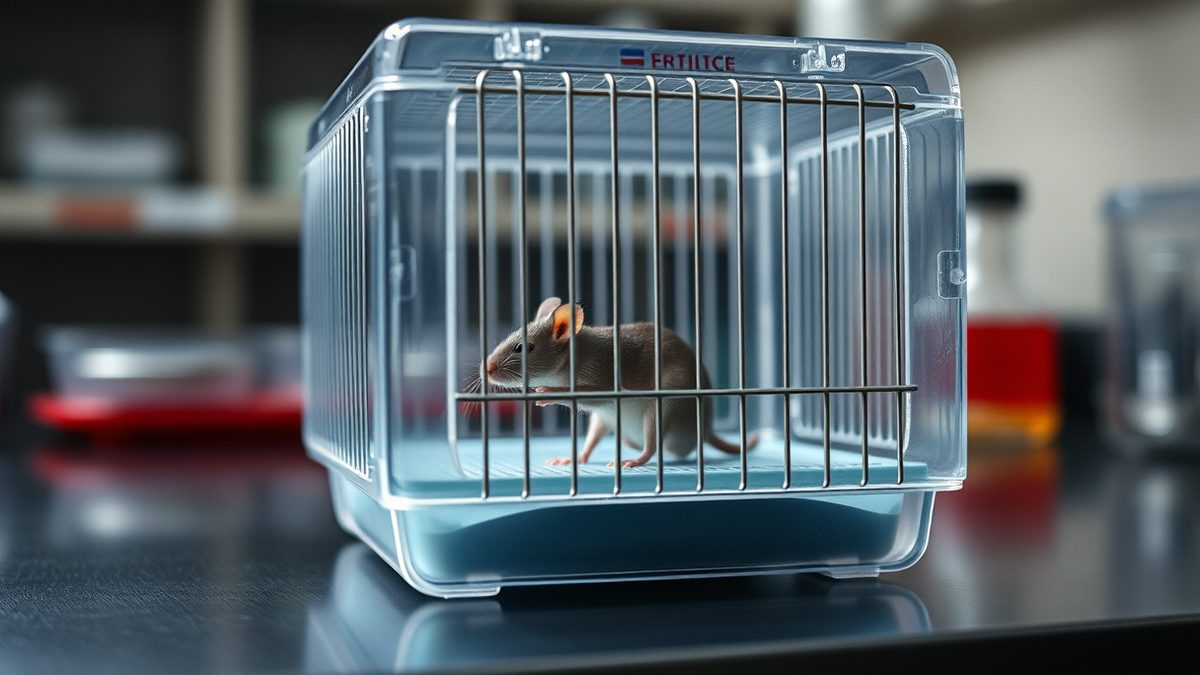
Biohaven wrote that the findings may be specific to rodents. It has not named the metabolite, described the animal effect or said at what doses it appeared. It says the relevance to humans is uncertain. No new patients can join until additional animal studies finish.
Which trials are affected
The programme has randomised more than 600 patients, and more than 1,200 people have received opakalim across its development, the company said. RISE-3, also called BHV7000-303, finished enrolling in June, so Biohaven does not expect the hold to change its timeline. It still expects topline results in the second half of 2026.
The second late-stage study, RISE-2 (BHV7000-302), and the open-label extension keep dosing current participants but cannot add new ones.
The SK licensing deal
Biohaven and SK Biopharmaceuticals announced the global licensing agreement on 26 August. It gives SK an exclusive worldwide licence to the Kv7 ion channel platform led by opakalim. SK is to pay upfront and milestone payments of up to $795 million. It will also pay tiered royalties to Biohaven from the mid-teens to low twenties on U.S. net sales of opakalim.
The cash component is $400 million: $350 million payable at closing and $50 million payable in 2027, the companies said. Biohaven is eligible for an additional $150 million in development and regulatory milestones plus royalties on global net sales. SK also assumes Kv7 programme costs, including $245 million in specified Knopp Biosciences and Kv7 future milestone obligations and mid-single-digit royalties to Knopp.
Biohaven said SK had access to all clinical and nonclinical data, including the metabolite characterisation, before the agreement was signed. CEO Vlad Coric said Biohaven chose a strategic partner rather than building its own commercial organisation for opakalim. The hold letter followed the announcement by days.
BioPharma Dive reported that Biohaven shares fell more than 10% after the hold was disclosed. Opakalim previously failed late-stage studies in bipolar disorder and major depressive disorder in 2025, Yahoo Finance reported.
What happens next
Biohaven said it expects additional animal data in the coming weeks, and the FDA must review them before deciding whether to lift the hold. ClinicalTrials.gov lists an estimated completion date of December 2026 for RISE-2, an estimate posted before the hold.
An RBC Capital Markets analyst quoted by BioPharma Dive wrote that the paused RISE-2 study may ultimately be needed for approval, so delays in enrolment could push back an FDA application.
Sources
6- 01Biohaven Pauses Enrollment in Phase 3 Trials for Epilepsy Drug OpakalimEN
- 02Biohaven's epilepsy drug hit with FDA clinical holdEN
- 03Patients Already in Biohaven Epilepsy Trials Keep Dosing as FDA Pauses New Enrollment Over a Rodent FindingEN
- 04Biohaven and SK Biopharmaceuticals Enter into Strategic Global Licensing Agreement for Novel Kv7 Ion Channel Platform and Opakalim, Lead Candidate for EpilepsyEN
- 05Biohaven and SK Biopharmaceuticals Enter into Strategic Global Licensing Agreement for Novel Kv7 Ion Channel Platform and Opakalim, Lead Candidate for EpilepsyEN
- 06 Thermal Grizzly launches PhaseSheet PTM Pro with improved thermal conductivity EN
All figures and quotations in this text come from the sources listed below.
Content prepared by the editorial team with AI assistance.
Sofia Marchetti
Comments
0- No comments yet — be the first.