Recycled fabrics and smart textiles: where the bottleneck is
The European Union produces 12.6 million tonnes of textile waste a year, and only about 1 percent of used clothing becomes new garments. Clothes with built-in electronics are still nowhere near mass sales.
 Helen MarshCulture, food and lifestyle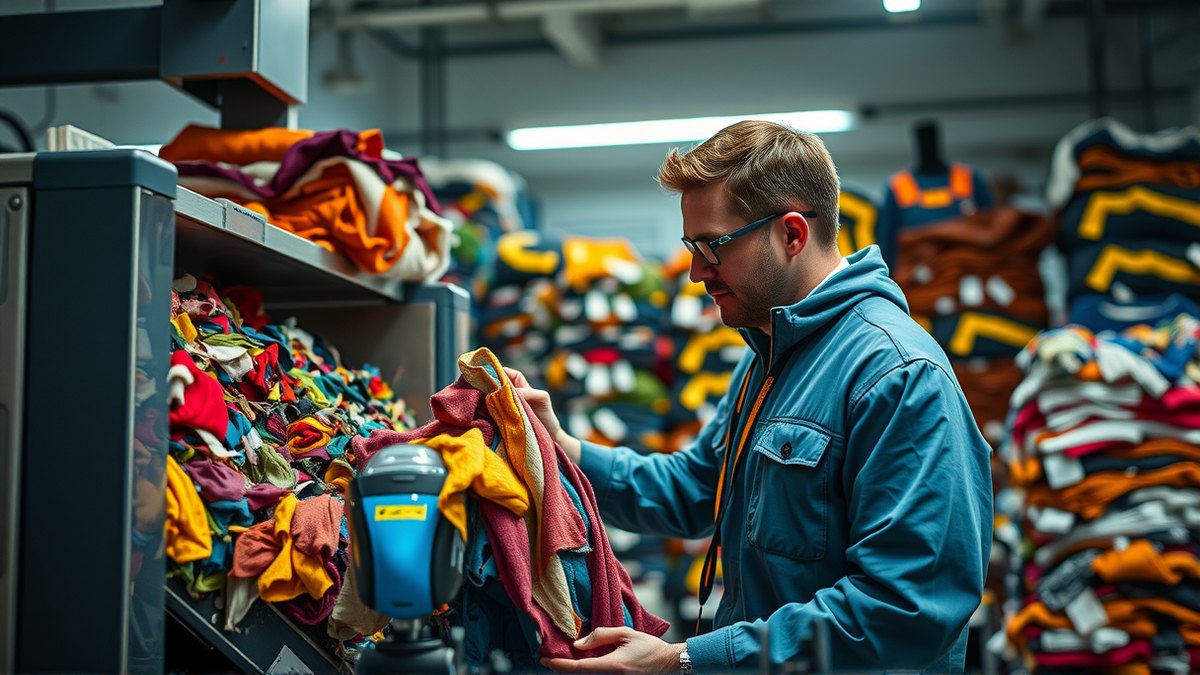
Europe's textile loop is a declaration more than an industry. Figures cited by 300Gospodarka show the EU produces 12.6 million tonnes of textile waste every year. Used clothes and shoes account for 5.2 million tonnes of that, an average of 12 kilograms per person. The European Environment Agency says 87 percent of used clothing in Europe is incinerated or sent to landfill. Only about 1 percent is actually turned into new garments. Witold Naturski, director of the European Parliament Office in Poland, points out that mixing materials within a single product makes recovery harder. A travelling exhibition, "(Re)Made in EU", on show in Warsaw in December 2025, is meant to change that.
What blocks fibre recycling
The obstacles are technical and market-based. Blends of polyester and elastane are hard to separate. Sorting by composition needs data that labels often do not provide. The EU wants to fix this with regulation. By 2030, clothes sold on the single market are to be durable, repairable and recyclable, and labels are to carry clear information, including on the share of recycled materials. A second incentive is the ban on destroying unsold clothing, which applies to large companies from 19 July 2026. Surpluses have to go somewhere, and disposal remains the worst outcome.
Smart clothing waits for a breakthrough
The second branch of innovation is active textiles. The outlet t3n recalls that back in 2017 Google and Levi's showed the Project Jacquard jacket with smartphone connectivity. Self-tying shoes and sportswear that measures exertion followed. Even so, there has been no mass breakthrough. Axel Augustin, managing director of the German Association for the Textile, Shoe and Leather Goods Trade, is sceptical about broad consumer adoption, and at Berlin Fashion Week the topic remains marginal. The reason is prosaic: washing, charging and the durability of electronics in fabric still count for less than the price.
The demand side
In China, wearable technologies have been written into consumer policy. A Ministry of Commerce document on expanding the consumption of goods lists smart wearable devices among its priorities, alongside phones and AI computers. In the EU, mandatory separate collection of textile waste has been in force since the start of 2025. Used clothing can no longer go into mixed waste; it has to be handed in at a separate collection point. Splitting the streams is a precondition. Without it, material recycling will not move.
Sources
4- 01UE produkuje co roku 12,6 mln ton odpadów tekstylnych (300Gospodarka)PL
- 02Wzrosło zainteresowanie tekstyliami z drugiej ręki (300Gospodarka)PL
- 03Smarte Kleidung: Der Durchbruch lässt auf sich warten (t3n)DE
- 04目标60万亿元,商品消费扩容升级方案落地 (第一财经/Yicai)ZH
All figures and quotations in this text come from the sources listed below.
Content prepared by the editorial team with AI assistance.
Helen Marsh
Comments
0- No comments yet — be the first.