Prime Medicine doses first patient with in-body prime editor for Wilson disease
Prime Medicine dosed the first patient with PM577a, an in-body prime editor for Wilson disease, on 5 October 2026, starting the first trial of prime editing inside the human body; initial data are due in 2027.
 Sofia MarchettiScience and health
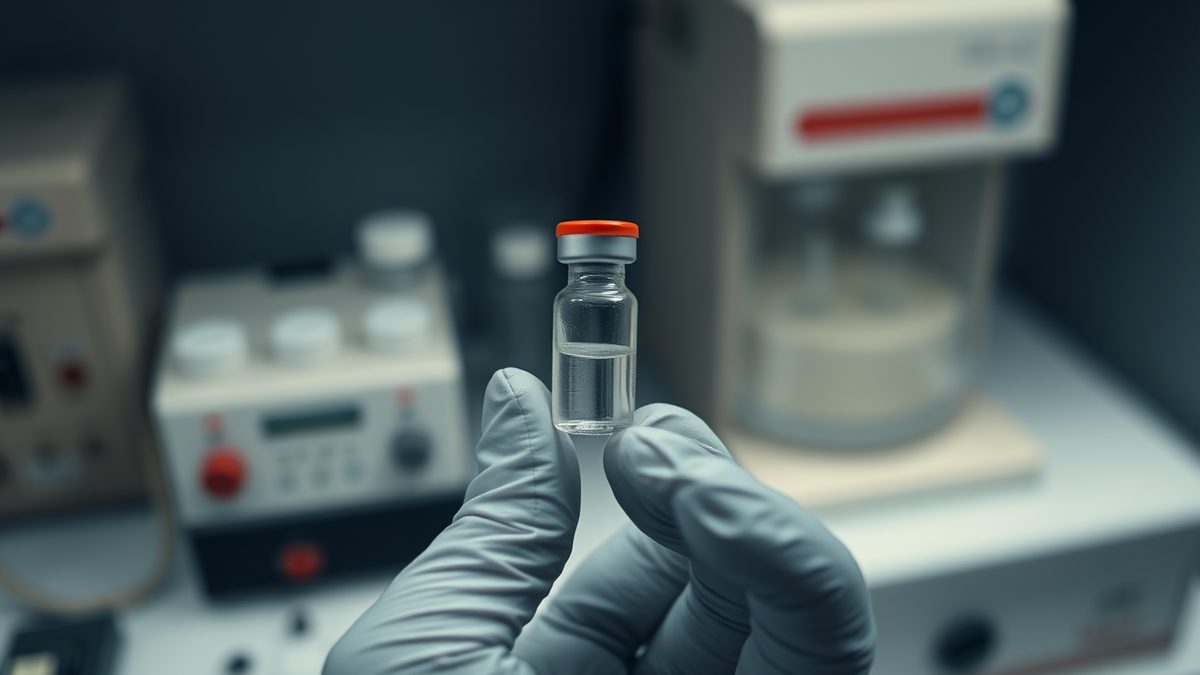
Prime Medicine has dosed the first patient with PM577a, an in-body prime editor for Wilson disease, the company said. The infusion was given on 5 October 2026 in a global Phase 1/2 trial.
The trial is the first test of prime editing inside the human body. Prime editing is a CRISPR-based technique introduced in 2019. It can swap individual DNA letters, insert new genetic instructions or delete chunks with minimal damage to the genome.
What the trial is testing
PM577a is designed to rewrite DNA inside liver cells. It is given as an infusion. The target is Wilson disease. The therapy has the "potential to offer patients a one-time curative treatment, ideally before irreversible liver and neurological damage occur," Mohammed Asmal, Prime Medicine's chief medical officer, said in a press release.
Whether the edit works in the first patient is unknown. The trial will show whether the therapy is safe and how well it works. Initial clinical data are expected in 2027.
Why prime editing is different
Classic CRISPR-Cas9 cuts through both DNA strands. Much of what gets called editing is the cell scrambling to repair the break, and sometimes it botches the job. In one example, a single cut triggered the loss of large portions of a chromosome. Base editing swaps one DNA letter for another without breaking the double helix. Last year doctors used a custom base editor to treat a baby, KJ Muldoon, who had a life-threatening genetic disorder.
Prime editing goes further. It nicks a single strand, a pegRNA carries the blueprint of the desired edit, and a third component copies the RNA instructions into DNA. In tests, its inventors showed it could in theory correct up to 89 percent of known genetic variants associated with disease.
Casgevy, approved in 2024, was the first CRISPR-based treatment to get the green light, and it edits blood stem cells outside the body. Prime editing has also been used outside the body. In an earlier study, Prime Medicine restored missing DNA letters in blood stem cells from two patients with chronic granulomatous disease. The company is now testing whether it can make an edit directly inside a patient.
What comes next
PM577a is not the first in-body gene editing program. Intellia Therapeutics' in-body CRISPR therapy for hereditary angioedema, lonvoguran ziclumeran, has a biologics license application under priority review, which the FDA accepted in September. Prime Medicine is also developing a second in-body prime editing program. The FDA cleared its investigational new drug application for PM647, aimed at alpha-1 antitrypsin deficiency, in September.
DataM Intelligence forecasts the prime editing and CRISPR market to grow from $6.25bn in 2025 to $13.33bn by 2035, a 7.7 percent compound annual rate from 2026 to 2035. The report notes that programs must show editing reaches the intended tissue, produces a durable effect and manages unintended changes.
The PM577a data will show whether the mechanism translates into benefit.
Sources
23- 01CRISPR Prime Editing Rewrites DNA in the Human Body for the First TimeEN
- 02Ultragenyx to lay off 20% of employees, scrap a Wilson disease gene therapyEN
- 03Prime Editing and CRISPR Market to Reach US$13.33 Billion by 2035EN
- 04Scientists just attempted to rewrite a patient's DNA inside their body for the first timeEN
- 05Shopify misses revenue estimates for the first time since 2022EN
- 06Child dies of measles in New York’s first such death in 30 yearsEN
- 07Gene editing could replace a lifetime of medication, but there's a catchEN
- 08Orbital Matter 3D-printed the first rigid beam in the vacuum of spaceEN
- 09STAT+: Who will get the first psychedelic approved?EN
- 10First U.S. bird flu death of the year after cattle exposureEN
- 11 China deploys 'world's first' 800-volt DC power system for massive AI data center EN
- 12Anthropic's Message Threads cut time to first token by 35 percent for long conversationsEN
- 13China biotech Minghui does thyroid eye disease deal for $110M upfrontEN
- 14Toyota’s Corolla Cross EV spotted for the first time [Images]EN
- 15Westward Ho! First Trip Cross Country with Our New 2026 Tesla Model Y & Full Self Driving V14EN
- 16Common pesticide linked to 2.5 times the risk of Parkinson’s diseaseEN
- 17Bluetti 288Wh Elite 30 Mini power station exclusive pre-order deals, Aventon Abound SR + LR cargo e-bikes first savings, moreEN
- 18GAC's battery unit Inpow starts production at Thailand plant, its first overseas pack facilityEN
- 19NVIDIA Updates Rubin GPU Specs as First Production Hardware ArrivesEN
- 20T-Mobile: We'll be first with 6G, and no to SpaceX MVNOEN
- 21Price hikes aren’t all that’s at stake in FirstEnergy Ohio’s rate caseEN
- 22Balcony solar bill introduced in Congress for the first timeEN
- 23In a global first, Hong Kong opens secondary trading for tokenised public fundsEN
All figures and quotations in this text come from the sources listed below.
Content prepared by the editorial team with AI assistance.
Sofia Marchetti
Comments
0- No comments yet — be the first.