US estrogen shortages spread to injections and creams as demand outruns supply
Estrogen shortages in the United States have spread beyond patches to some injectable products and vaginal creams, El Cronista reported on 30 October. Some products are subject to allocation, meaning pharmacies receive limited quantities, and the FDA stops short of declaring a formal shortage.
 Sofia MarchettiScience and health
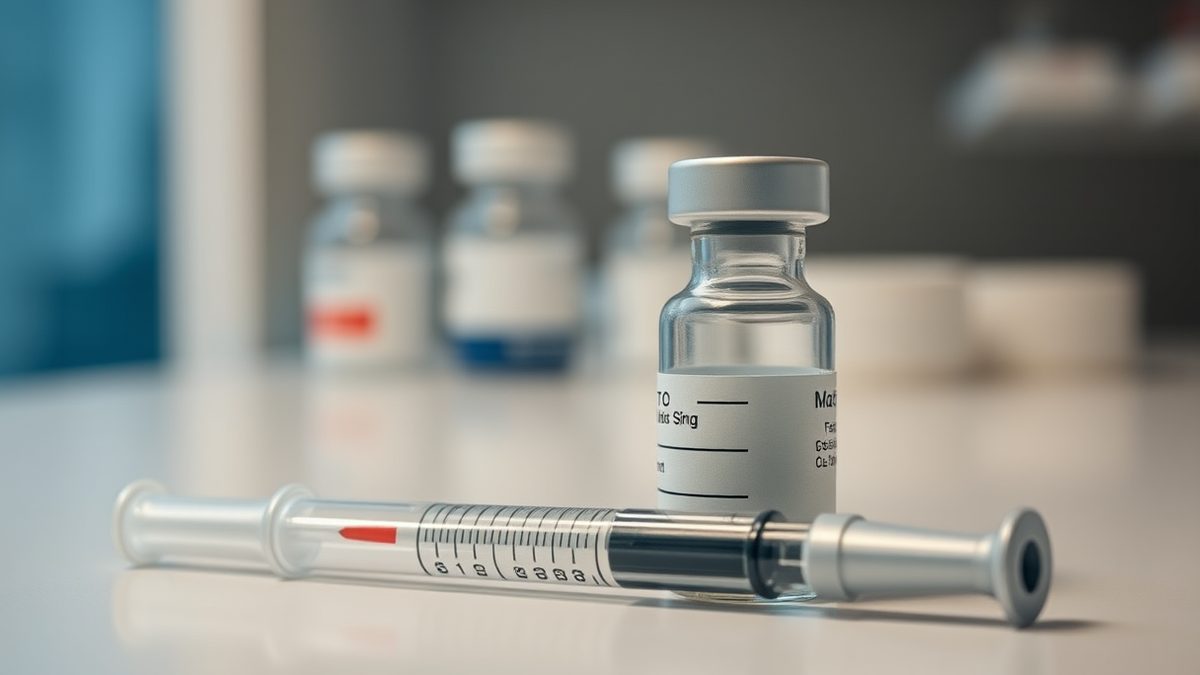
Women across the United States are having growing difficulty obtaining estrogen-based hormone therapy, according to El Cronista. The report, published on 30 October, said some injectable medications and vaginal creams are also experiencing shortages, back orders or limited availability. Patients and prescribers are hunting for alternatives.
For patients, the practical effect is a switch of formulation or a hunt across pharmacies. Regulators have not declared a formal US shortage, so availability depends on the pharmacy and the strength. No one has said when supply returns to normal.
The American Society of Health-System Pharmacists listed several estradiol valerate injection products from Hikma, American Regent and Par Sterile Products as in shortage in early September. The organisation also reported supply disruptions for vaginal estradiol creams made by Viatris' Mylan unit, Padagis and Teva. Some of those products were on back order or subject to allocation. Pharmacies could receive only limited quantities.
CVS Health said manufacturers had struggled for several months to supply certain strengths of estradiol injections. The company said the situation had worsened in recent weeks.
Demand rose after label change
The squeeze follows a sharp increase in demand for menopausal hormone therapy. The FDA said in November 2025 that it had asked manufacturers to remove certain risk statements from the boxed warning on their labels. Those covered cardiovascular disease, breast cancer and probable dementia. In February 2026 the agency approved the changes for a first group of six products. The warnings had been based on findings from the Women's Health Initiative study, published in 2002.
The FDA said in September it was working with all six manufacturers of FDA-approved estradiol patches. The aim was to increase production. Supply had nearly doubled over the previous year, the agency said, but the increase had not kept pace with demand.
Patients who could not find their usual patches turned to gels and creams, putting more pressure on products already facing constraints. Kathleen Jordan of telehealth provider Midi Health called it a domino effect.
Money is moving into the wider market. PwC puts the menopause market at about $15 billion now. It expects growth of 8% to 10% a year to 2030. By then, 1.2 billion women worldwide are expected to be in menopause, Handelsblatt reported on 2 November. Private investment grew 15% a year over the past five years, to $1.7 billion, according to PwC.
Why generic supply cannot switch on
Expanding output takes time. The patches require specialised equipment and are low-margin generic products, manufacturers say.
Contract Pharma reported that most active pharmaceutical ingredients are made primarily in China and India, which leaves domestic drug supplies exposed to single points of failure. The risks include geographic concentration and thin visibility into upstream supply chains. Manufacturers are moving from single-source models to localised or dual-sourcing arrangements.
Danny Goad is senior manager of supply chain management at PCI Pharma Services. He told Contract Pharma that a material may have several qualified suppliers on paper without that translating into genuine resilience. Regulatory requirements, lengthy qualification processes, intellectual property considerations, specialised manufacturing processes and limited global capacity can make switching suppliers difficult and time-consuming, he said. Goad added that critical excipients, processing aids, components and packaging materials can create equally significant bottlenecks when they have few sources or long lead times.
South Africa sees the same gap
The George Herald reported on 28 October that public clinics and hospitals in Eden District face medicine shortages, and that some patients cannot obtain their chronic medication. District health spokesperson Nadia Ferreira said alternatives are provided where appropriate, or reduced prescriptions are issued. Stock is redistributed where possible, and pharmacists and clinicians work together to find alternatives based on patients' histories and available medicines. In some cases no appropriate alternative exists.
Selna du Plessis is a private pharmacist at Geneva Pharmacy. She said it has been especially difficult to obtain hormone replacement therapy and contraceptives, including patches, over the past six months. Eye drops and certain blood pressure medicines have also been in short supply, she said.
The South African Health Products Regulatory Authority has granted Section 21 approval for emergency use of certain unregistered medicines. That applies where registered products are unavailable and no therapeutic alternative exists. The approvals expire between November 2026 and April 2027. The National Department of Health's contract management unit attributes shortages to supply chain challenges and says it is sourcing medicines from additional manufacturers.
Michele Clarke, health spokesperson for the Democratic Alliance, said up to 50 critical medicines are allegedly out of stock in the public sector. She wants a parliamentary investigation.
What happens next
The FDA has not declared an official shortage. It says the patches remain available, while ASHP has listed them as in shortage since January. Availability varies by pharmacy.
For patients, that means switching formulations or calling around. It also means uncertainty about when supply normalises. In South Africa, the Section 21 approvals run out between November 2026 and April 2027, which sets a rough deadline for regulators to find registered alternatives.
PwC expects the menopause market to keep growing 8% to 10% a year to 2030. Its estimate covers prescription drugs, over-the-counter products, self-tests and employer services. Whether generic manufacturing capacity grows at the same rate is a separate question. No timeline for a fix has been published.
Sources
12- 01US estrogen shortage spreads: women struggle to find alternatives to hard-to-get patchesEN
- 02Pharma: Das zweifelhafte Milliardengeschäft mit Frauen in den WechseljahrenDE
- 03Sourcing APIs: Strategies for Supply Chain ResilienceEN
- 04Medicine shortages affect Eden District patientsEN
- 05Chainstack Reports Production Systems Breach Exposing Customer Data and Password HashesEN
- 06Barracuda Flaws Could Be Chained to Bypass Authorization and Gain Root AccessEN
- 07Li Auto's Mega faces Samsung OLED screen shortage as deliveries reboundEN
- 08Chainalysis Confirms Intrusion Into Internal Tools and Exposure of Customer Identity DataEN
- 09ESI supplying solar array components to missile defense programsEN
- 10STAT+: Pharmalittle: We’re reading about payments to Russian middlemen, a possible Dupixent rival, and moreEN
- 11The First Few Tokens Matter: Understanding Chain-of-Thought ControllabilityEN
- 12Opening the Box Changes the Cat: LLMs Detect Chain-of-Thought Monitoring - What now?EN
All figures and quotations in this text come from the sources listed below.
Content prepared by the editorial team with AI assistance.
Sofia Marchetti
Comments
0- No comments yet — be the first.