Garmin health awards crown clinical wearables on a thin evidence base
Garmin closed its Health Summit in Bangkok on 3 November by presenting its Health Awards 2026. It picked two winners from 113 submissions across 31 countries; the clinical results behind such projects are real but still single-site and unevenly measured.
 Sofia MarchettiScience and health
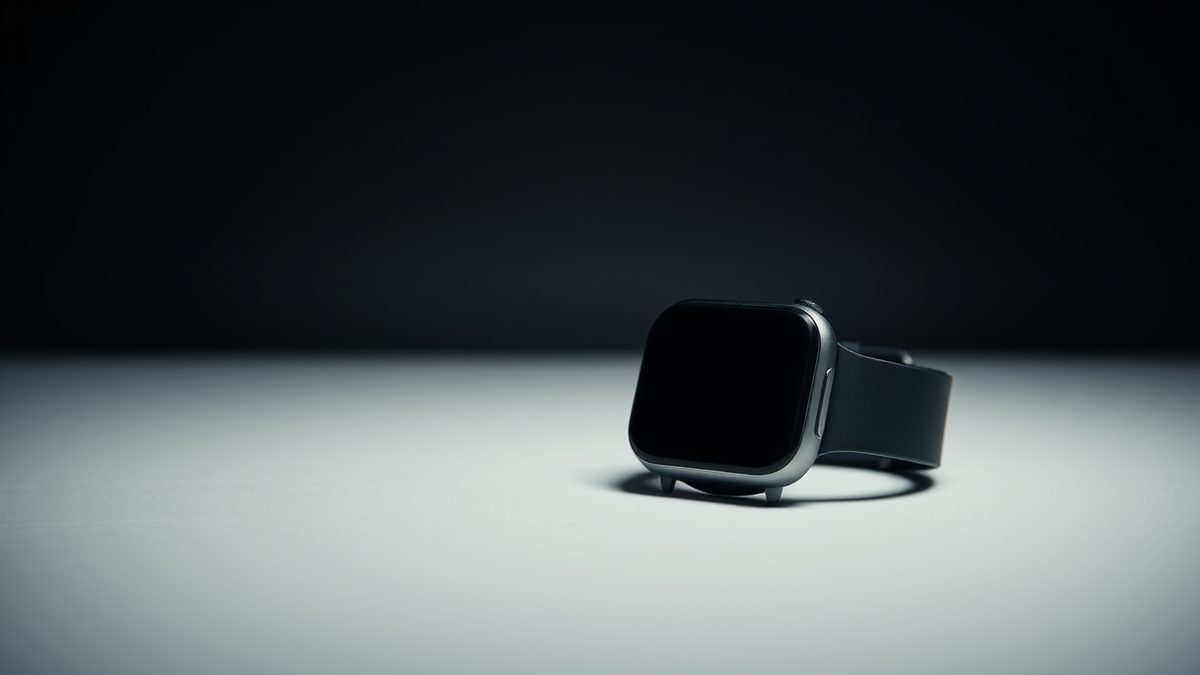
Garmin hands out awards for clinical wearable work
Garmin announced the awards at its Health Summit in Bangkok, Thailand.
Continuous wearable data is moving from step counts into clinical decisions. Preliminary research suggests it can cut emergency visits when someone acts on the alerts. It is still unknown whether those results hold in broader populations, on wrist sensors rather than cuffs. It is also unknown who pays for the monitoring and the staff who answer it.
Montefiore Einstein, a US cancer treatment center, won the Expert's Choice award. It used the Garmin Health Connected Ecosystem to study patients undergoing radiation therapy, chemotherapy and immunotherapy. The research team said it was the first to show that wearable data collected before treatment can identify patients at risk of complications during it. HeraMED, an Australian healthcare company building AI-powered women's health care, took the People's Choice award. The two winning teams received Garmin smartwatches and fitness trackers.
Susan Lyman is vice president of business and consumer marketing at Garmin. She said wearable data is increasingly used to build tailored healthcare solutions.
The strongest clinical signal so far
At the American Heart Association's Scientific Sessions 2026, preliminary research found an AI tool warned doctors of an approaching hypertensive crisis up to three days in advance. The study followed 4,190 adults with stage 2 high blood pressure in Pakistan for a year. It used a portable cuff monitor and a wrist fitness tracker. The AI analyzed 47 factors, including heart rate changes and day and night pressure trends.
Two red flags stood out. Patients whose blood pressure failed to drop during sleep faced nearly five times the odds of a crisis. A jump of more than 35 mm Hg on waking quadrupled the risk. When the system flagged an alert and doctors adjusted medication within 24 hours, crises fell by about 61% and emergency room visits by roughly 45%.
Waleed Razzaq Chaudhry is the lead study author and an internal medicine resident at the University of Maryland Capital Region Medical Center. He said a single reading captures only one moment in time.
The caveats matter as much as the result. All participants came from a single hospital in Pakistan. The American Heart Association says the findings are preliminary until a peer-reviewed journal publishes a full manuscript.
What the devices actually measure
A health phenotyping study found step counts outperformed smartwatch intensity algorithms. A separate perspective article argued that wearable alerts in older adults need accountability, not just more data.
The gap between tracking and health shows up in survey data too. Herbalife's Asia Pacific Wellness Culture Survey 2026 found 76% of Filipino respondents take part in a wider variety of wellness activities. It found 74% do so more frequently than three years ago. Only 58% reported improvements in physical health, 61% in mental health and 59% in emotional well-being.
Reviews of the underlying research are mixed. A 2026 review in Physiological Reviews covered 39 systematic reviews and 98 original studies. It found wearable activity trackers generally increased physical activity. But evidence on cardiovascular risk markers, quality of life and mental health was inconsistent. A separate 2026 review in The Lancet Digital Health found health apps could improve physical activity, blood pressure, weight management and mental well-being.
Who runs, and pays for, the study
San Francisco-based Alethios launched decentralized data collection tools. They combine participant-reported outcomes, wearable and sensor data, AI digital biomarkers and at-home biomarker testing. Each data type is a no-code integration in the company's Study Planner. Researchers can start on it for $100 a month.
Alethios founder and CEO Zeenia Framroze said the company had seen seven studies fully enroll participants in under 24 hours in the last year. Chief technology officer Gurpreet Atwal said at-home tests can still fail. He said this most often happens because a blood spot card is collected incorrectly.
What comes next
Researchers must test the blood pressure prediction technology across broader groups. They must do so before it is integrated into smartwatches.
Sources
20- 01Garmin Health Summit 2026: Celebrating groundbreaking digital health initiatives in AsiaEN
- 02Wearable devices + AI analysis may predict high blood pressure crisis up to 3 days earlyEN
- 03Wearable With AI Could Predict Blood Pressure Crisis 3 Days EarlyEN
- 04Smartwatches, fitness apps fuel wellness boom, but are Filipinos getting healthier?EN
- 05Alethios expands decentralized research tools for human health studiesEN
- 06Wrist-based health signals used in cancer treatment and women's health; Garmin announces awardsEN
- 07Step Counts Outperform Smartwatch Intensity Algorithms in Health Phenotyping StudyEN
- 08Wearable Alerts in Older Adults Need Accountability, Not Just More DataEN
- 09STAT+: Democrats win power to push back on Trump’s health care movesEN
- 10Rapid LLM development is outrunning the research meant to explain it, study findsEN
- 11STAT+: FDA, CMS look to collaborate with states on health AIEN
- 12Digitalgipfel 2026: Was lange währt, wird nicht KI-NationEN
- 13Digitaler Führerschein kommt Ende NovemberEN
- 14Einführung des digitalen Führerscheins: Das müssen Autofahrer jetzt wissenEN
- 15The biggest conversations in health techEN
- 16How digital membership platforms help sports NGBs leave the spreadsheets behindEN
- 17Studying Fraudulent North Korean IT WorkersEN
- 18New study will map how the aging body changes hour by hourEN
- 19IEEE Xplore Digital Library Adds AI AssistantEN
- 20NVIDIA Transforms European Retail, From Digital Discovery to Physical OperationsEN
All figures and quotations in this text come from the sources listed below.
Content prepared by the editorial team with AI assistance.
Sofia Marchetti
Comments
0- No comments yet — be the first.