Milan Cortina's $1.9bn operating budget excluded $4.2bn in public infrastructure spending
Milan Cortina closed on 22 February 2026 with an operating budget of about $1.9 billion, The Week reported, while Italy allocated about $4.2 billion in public infrastructure money. Milan's Santagiulia arena cost $292 million, up from a $210 million budget.
 Daniel FisherSport, cars and travel
The bill, in two halves
Milan Cortina's operating budget was about $1.9 billion, largely covered by broadcasting and sponsorship deals and by ticket and merchandise sales, according to The Week. That budget excluded capital costs such as new venues and rail and road upgrades.
The public and overall figures cover different scopes. Italy allocated about $4.2 billion in public money for infrastructure, The Week reported. Yahoo Sports said the Italian government was investing over $1 billion in infrastructure, a narrower figure. DW put the overall estimated budget north of $3.5 billion (EUR 3 billion).
According to The Week, these were the most geographically spread out Olympics in history, with 25 sporting venues and six Olympic Villages across some 8,495 square miles. Milan and Cortina sit nearly 250 miles apart by road, a roughly five-hour drive, Business Insider reported.
The IOC argues that the Games pay for themselves by raising a city's profile and attracting tourists, and some reports suggest Milan Cortina could deliver a $6 billion economic boost, The Week reported. But most host cities do not see a positive return on investment. DW cited an estimate of about EUR 5 billion from tourism and infrastructure upgrades, which it said remains an estimate.
The venues that ran late
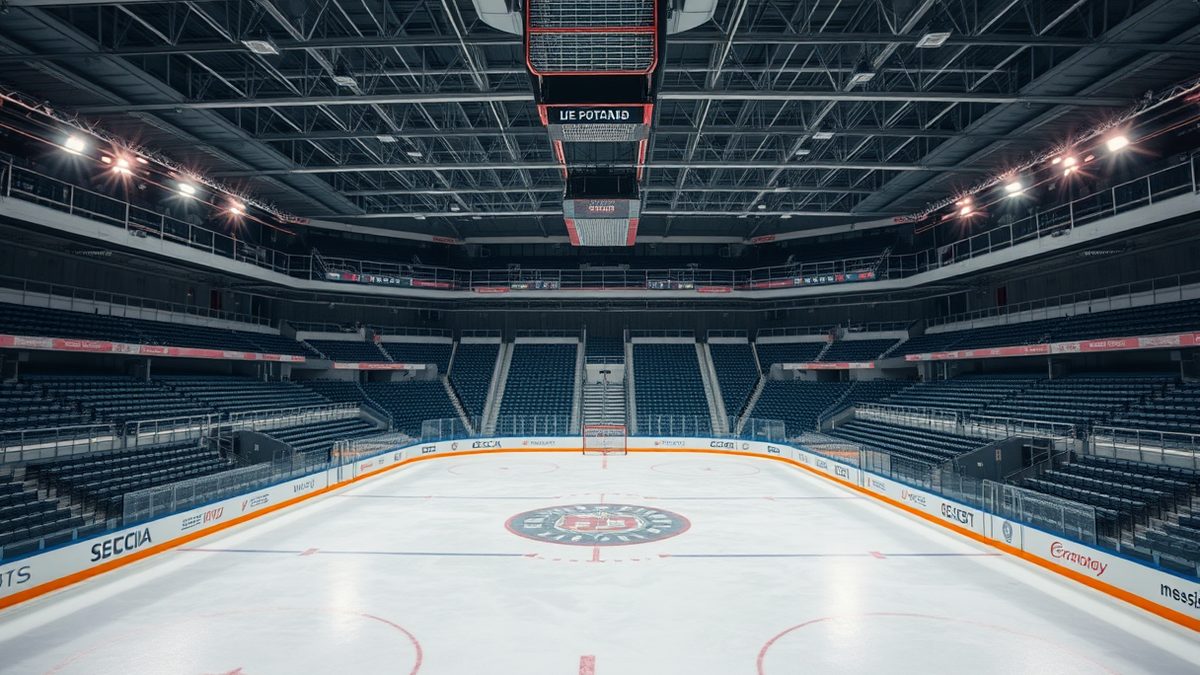
Days before the opening ceremony, work was still going on at Milan's Santagiulia arena, a new $292 million ice hockey venue that was originally budgeted at $210 million, The Week reported. In Cortina, the $131 million bobsledding track required felling centuries-old trees, and mayor Gianluca Lorenzi received death threats over it. Lorenzi said "the project is an added value for Cortina".
NBC San Diego reported that questions remained over whether the sliding centre would be finished in time, with fallback options in Igls, St Moritz or Lake Placid. DW noted that many Winter Olympic hosts have been plagued by late construction and rising costs.
Victor Matheson, an economics professor at the College of the Holy Cross, told the broadcaster the delayed ice rink was "inexcusable, especially for something like a multi-purpose arena". He added that a city without an existing indoor venue probably should not bid at all.
Why the numbers keep moving
An Oxford University study found that host cities went over budget by an average of 156% between 1960 and 2016, The Week reported. Montreal 1976 went 720% over its projections.
The Week attributed the pattern partly to expansion, with more events, athletes, venues and spectators, and partly to host cities trying to outdo their predecessors through extravagant designs and short construction schedules that were often not reflected in the original bids.
The Week put Russia's cost for Sochi 2014 at least $30 billion, 289% more than expected at the time of bidding. Yahoo Sports reported Russia invested $51 billion in the Sochi Games. Montreal's overrun left the city with a $1.5 billion debt that took almost three decades to pay off. Sports historian David Goldblatt told The Week: "There's this kind of relentless underestimation of costs".
Robert Baade, a sports economist, called the Olympics "a money-hemorrhaging endeavor".
Who pays, and what comes back
Beijing spent $40 billion on the 2008 Summer Games and generated $3.6 billion in revenue, according to The Week. London 2012 spent $18 billion and generated $5.2 billion.
Los Angeles was the sole bidder for the 1984 Games after Montreal. The city insisted that most events be held in existing facilities and ended with a surplus of over $200 million on revenues of $619 million. Matheson told DW that taxpayers "don't necessarily want to get stuck paying for someone else's party".
The IOC is a non-profit, and 90% of Games revenues go "straight back into sport and athlete development, including aiding host cities", according to the broadcaster. It committed $925 million for Milan Cortina, slightly less than the $970 million it gave Beijing for 2022. Matheson said the committee "really doesn't have the money to put on its own events", and depends on committed host partners.
Sources
12- 01The price of sporting gloryEN
- 022026 Winter Olympics: Fun events, but what about the bill?EN
- 03Where are the Olympics in 2026? Locations, venues and more to know about Winter GamesEN
- 04How much are 2026 Winter Olympics tickets? Breaking down the cheapest and most expensive eventsEN
- 05I went to the Italian Alps for the Winter Olympics. Here are 6 things that surprised me most about the experience.EN
- 06Tickets, Prices, Access: 2026 Winter Olympics Explained - The Astana TimesEN
- 07Milano Cortina 2026: A Connected Olympic and Paralympic Winter Games Powered by Samsung – Setting the Stage for LA28 GamesEN
- 08Back in control: How Hyrox plans to make hybrid racing a TV and Olympic spectacleEN
- 09As Diesel Costs Surge for Farmers & Rural Businesses, Solar Offers a LifelineEN
- 10VMO2 to axe 30% staff costs, halt fiber build in £800M savings planEN
- 11AC Milan, Inter strike ‘€650m’ Generali naming rights deal for new stadiumEN
- 12Here's how much Trump's Iran war has added to Americans' fuel costsEN
All figures and quotations in this text come from the sources listed below.
Content prepared by the editorial team with AI assistance.
Daniel Fisher
Comments
0- No comments yet — be the first.